Five of the eight Gambian migrants killed in a tragic gas explosion in Tripoli’s Arada neighborhood were finally laid to rest today, more than five months after the May 30 blaze that claimed their lives. The remaining three victims are expected to be buried in the coming days, pending corrections to their documentation, highlighting bureaucratic delays that have compounded the grief of families and the Gambian diaspora.
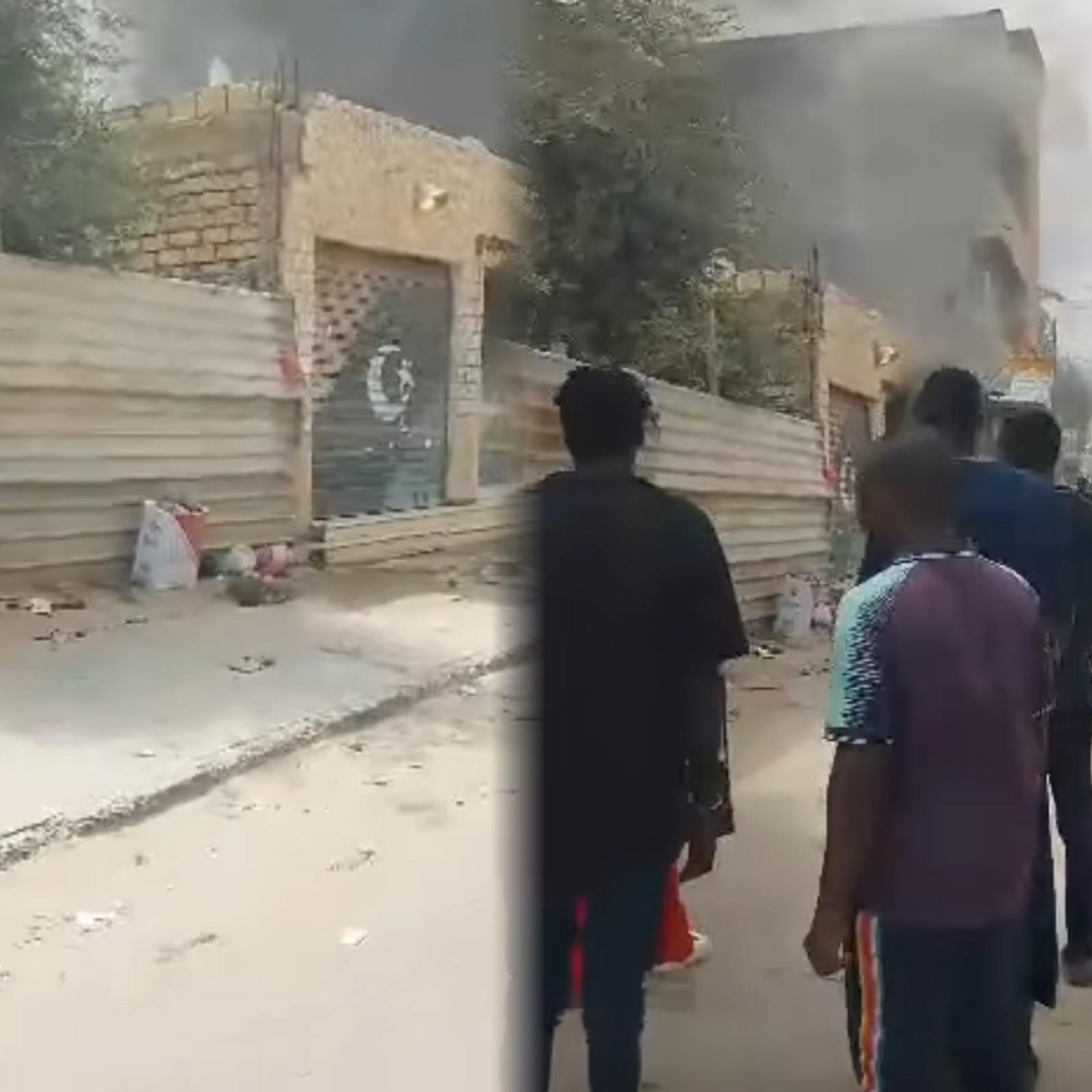
The explosion, triggered by a gas cylinder ignited by gasoline used to combat a bedbug infestation, tore through a building housing approximately 35 Gambian migrants. The fire killed eight and injured 15, three critically, in one of the deadliest incidents involving Gambian migrants in Libya this year. Libyan emergency services and the International Organization for Migration (IOM) responded swiftly, but the volatile security situation in Tripoli, marked by recent militia clashes, has underscored the perilous conditions faced by migrant workers.
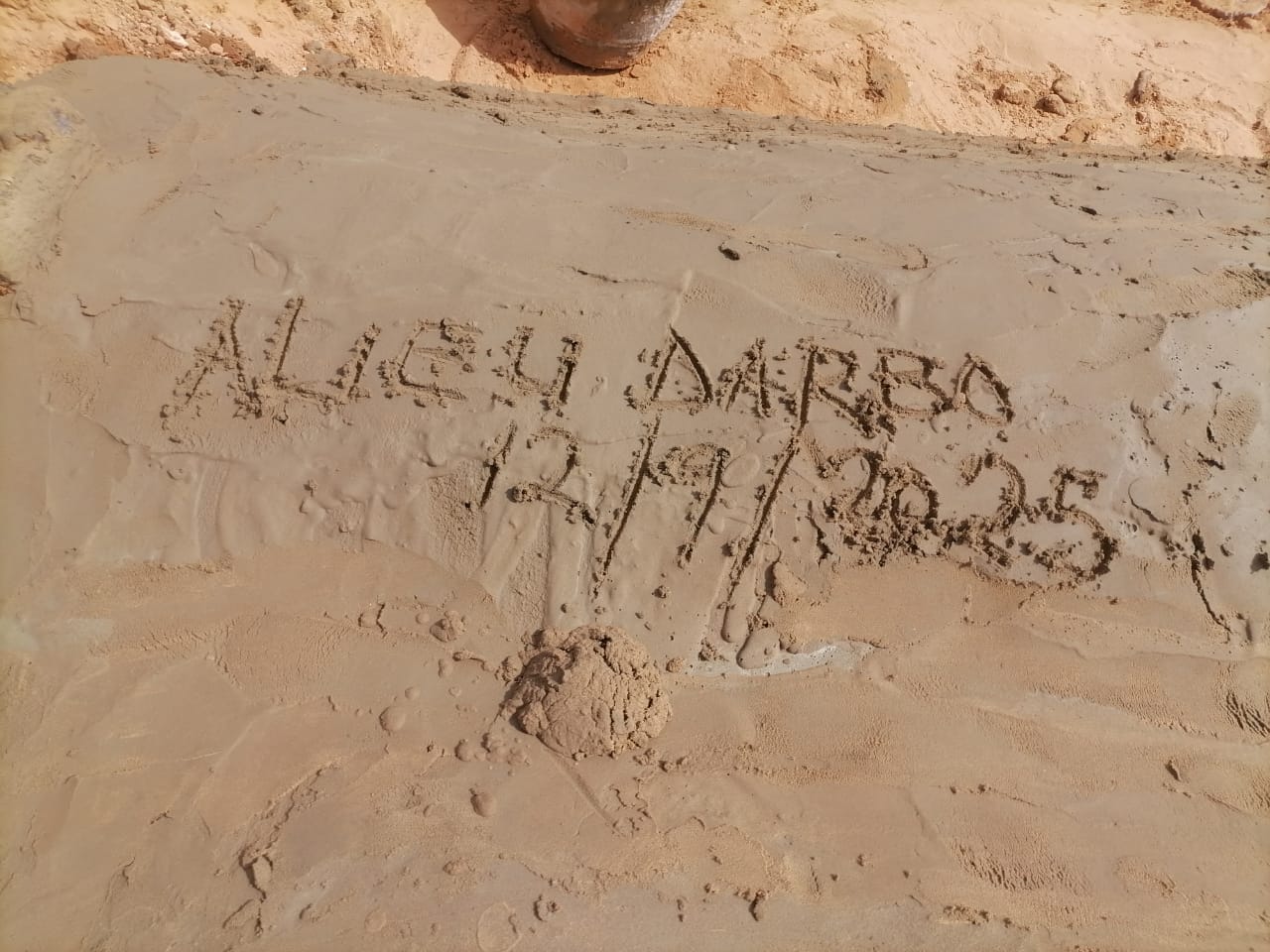
The Gambian Liaison Office in Tripoli released a detailed list of the deceased, identifying them as Bubacarr Touray, Muhammed Darboe, Alieu Darboe, Bakary Saidykhan, Saidou Jallow, Ousainou Sow, Adama Cham, and Muhammed Damba. Five—Darboe, Sow, Jallow, Saidykhan, and Alieu Darboe—were buried today, while Touray, Cham, and Damba await final documentation. Each funeral, costing 700 Libyan Dinars (approximately GMD 8,500), was funded to cover burial expenses in Libya, as repatriation proved unfeasible for many families due to financial and logistical barriers.
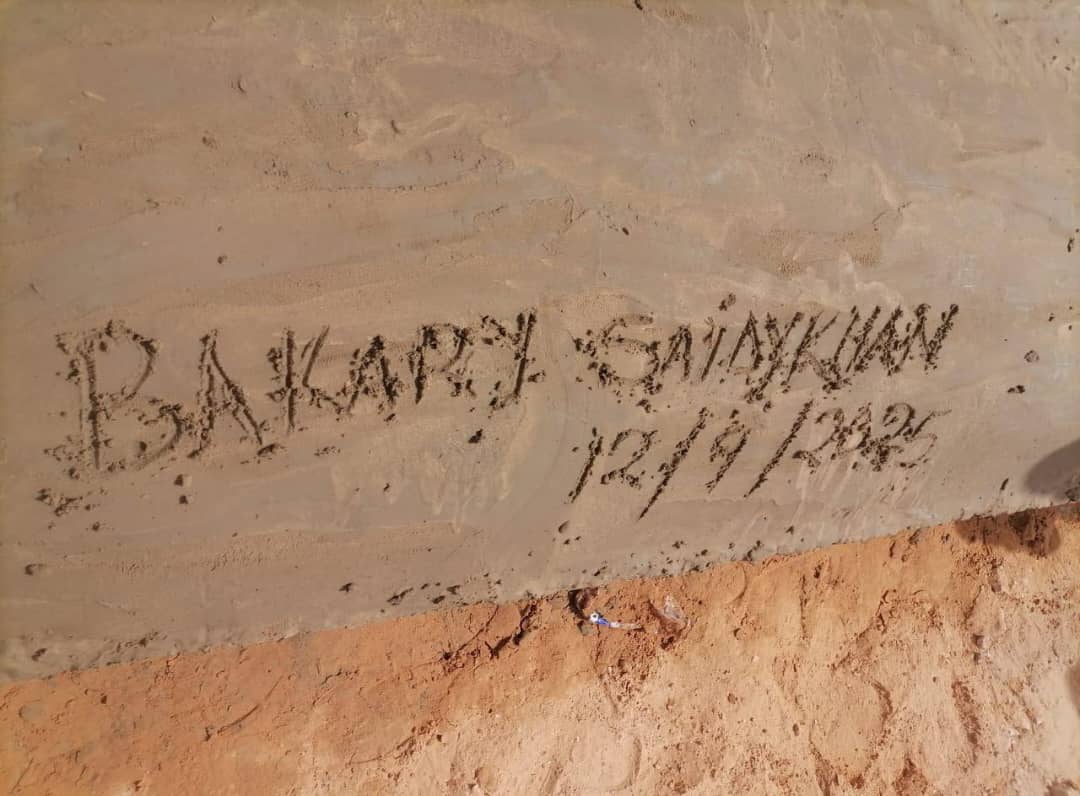
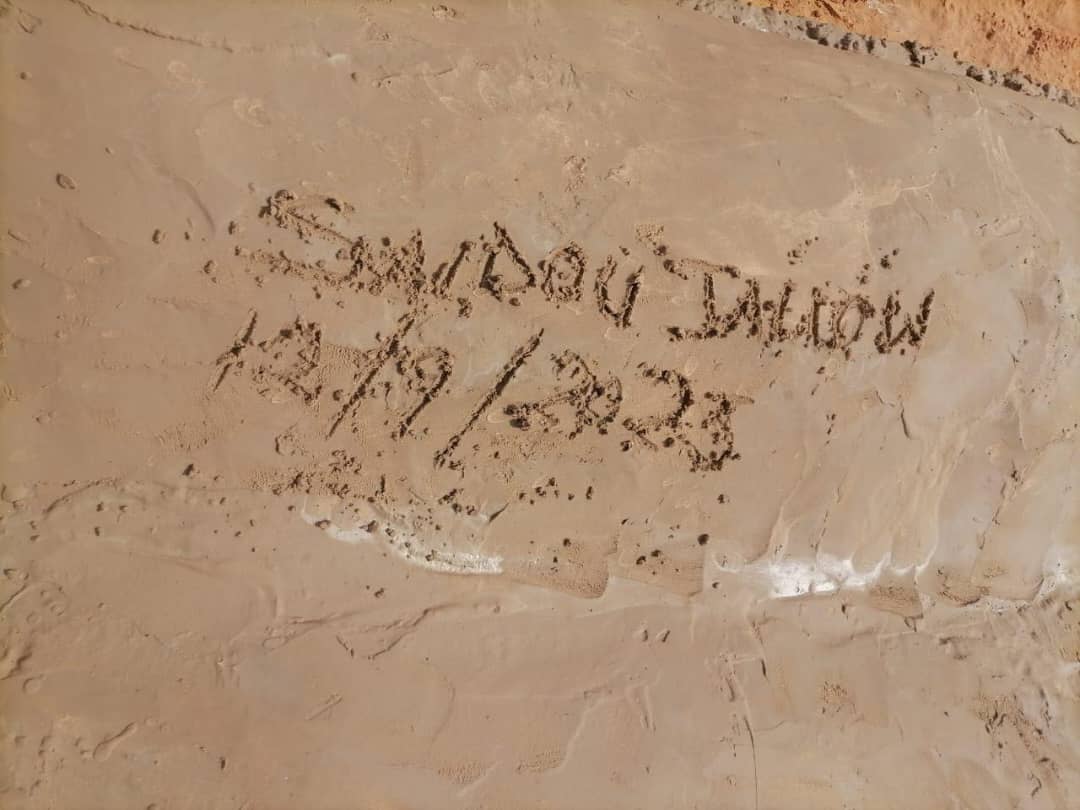
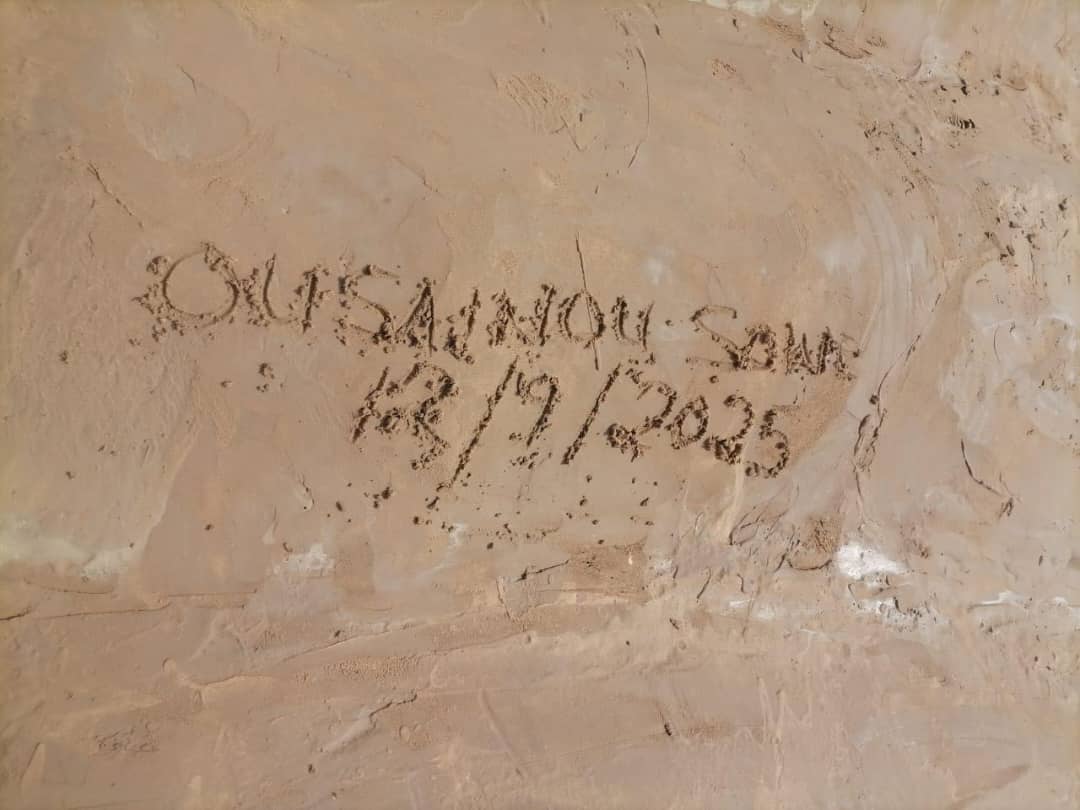
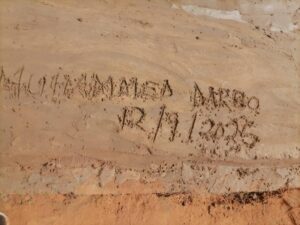
The delay in burials stemmed from a combination of Libyan authorities’ insistence on proper documentation and the Gambian government’s challenges in coordinating repatriation efforts. Negotiations between Gambian officials, Libyan authorities, and the victims’ families dragged on for months, leaving families in anguish. “It was so unfortunate that we could not attend his burial or join those who prayed for his body,” said Batuwo Fatty, cousin of victim Adama Cham, in an interview with The Alkamba Times. “Though distance kept us away, our hearts, prayers, and love were with him and the others. We pray for Allah to grant them eternal peace and give us strength to bear this loss.”
The Gambian Ministry of Foreign Affairs in Banjul expressed deep condolences and pledged ongoing consular support, working through the Gambian Embassy in Rabat, Morocco, to assist families. The liaison office’s list included personal details—names, birthplaces, dates of birth, fathers’ names, and medical reports confirming deaths due to the fire’s intensity—to aid identification and support repatriation efforts. However, the high cost of repatriating remains has proven prohibitive for many families, deepening their grief.
This tragedy highlights the broader humanitarian crisis facing Gambian migrants in Libya, where economic desperation drives thousands to seek work despite rampant exploitation and violence. Libya’s unstable environment, exacerbated by militia clashes in May 2025, has made life increasingly dangerous for foreign workers. The liaison office noted discrepancies in initial reports, which cited two immediate deaths, while later documentation confirmed eight fatalities, with some victims succumbing to injuries between May 30 and June 7.
Calls for safer migration pathways have grown louder, as Migration experts and Activists emphasize the need to address the root causes pushing young Gambians into hazardous journeys.
This devastating incident serves as a grim reminder of the human toll exacted by unstable regions. For the Gambian community, both at home and abroad, the loss of these young lives underscores the urgent need for systemic change to protect migrants chasing better opportunities.