By Fatou Dahaba
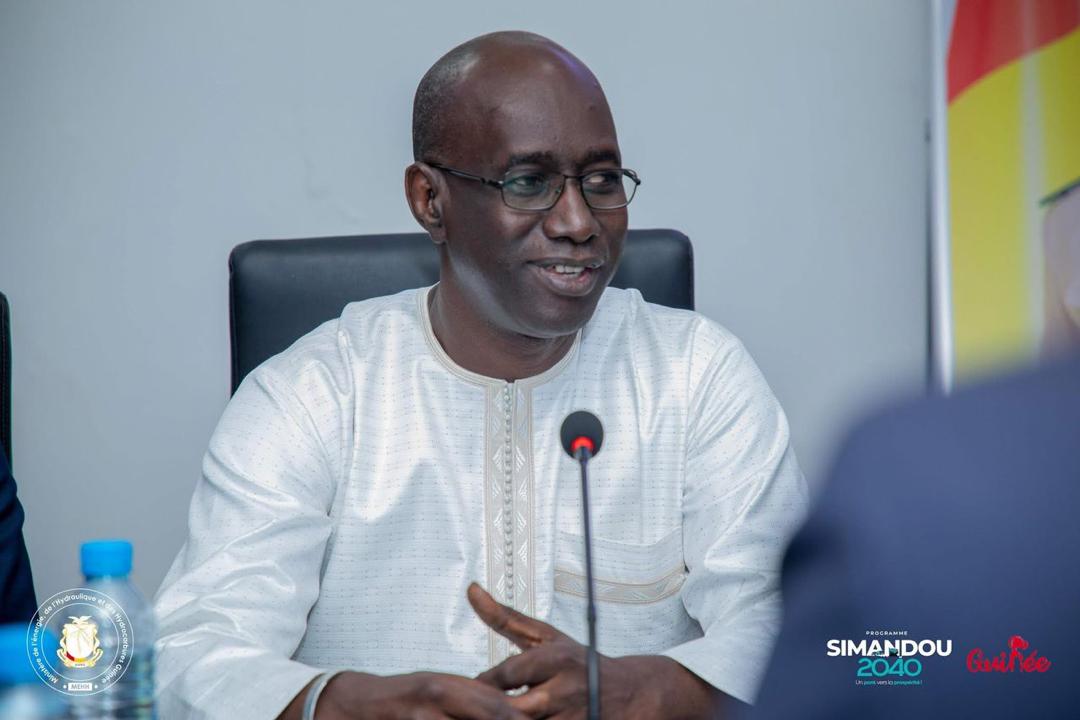
The Gambia River has reached critical levels, rising from 3.95 meters to 6.40 meters in just 24 hours, prompting urgent warnings from the Organisation for the Development of the Gambia River (OMVG). Speaking at a recent briefing, High Commissioner Demba Jallow cautioned that the river is nearing the alert threshold of 7 meters, raising fears of overflows in low-lying areas.
Jallow emphasized the need for heightened vigilance as continuous rainfall could push water levels beyond critical thresholds. “The hydrological situation shows a persistent rise, and we must prepare for potential flooding,” he said. Several monitoring stations along the river have reported consistent overflows, amplifying concerns for communities in vulnerable areas. The OMVG, in collaboration with stakeholders, is intensifying surveillance and early warning systems to mitigate flood risks.
Broader environmental challenges, including climate change and degradation, compound the rising waters. Jallow highlighted how population growth and the pursuit of better living standards have strained natural resources, leading to deforestation, land erosion, river silting, and water pollution. These pressures, combined with climate change, have intensified extreme weather events like floods and droughts, posing significant obstacles to development in the region.
“Climate change may not be the sole cause of environmental issues, but it significantly amplifies them,” Jallow noted. The Gambia River basin and others under OMVG’s jurisdiction face declining rainfall, shrinking vegetation cover, loss of wildlife, and land degradation. These changes threaten the socio-economic roles of these ecosystems, which are vital for food security, energy, and transport in member states: The Gambia, Guinea, Guinea-Bissau, and Senegal.
In response, the OMVG has finalized an integrated master plan with a $7.9 billion investment portfolio, encompassing 179 regional projects. This ambitious initiative aims to sustainably manage river resources, promote energy and food self-sufficiency, and enhance transport networks while reducing climate-related vulnerabilities. A key component is the establishment of an environmental observatory to monitor the river basins and preserve ecosystem balance across the sub-region.
Since its creation in 1978, the OMVG has worked to foster cooperation among its member states to harness shared river resources. The organization’s efforts are now more critical than ever as rising water levels and environmental degradation demand urgent action.
Jallow urged communities to stay alert and cooperate with authorities to minimize risks. “We are committed to proactive measures to protect lives and livelihoods,” he said. As the Gambia River swells, the OMVG’s focus on early warning systems and sustainable development will be crucial in averting disaster and building resilience in the face of growing climate challenges.
Forecasts predict continued rainfall, and residents in low-lying areas are bracing for potential flooding. The OMVG’s call for vigilance underscores the need for collective action to safeguard communities and ecosystems from the escalating impacts of climate change.