By Fatou Dahaba
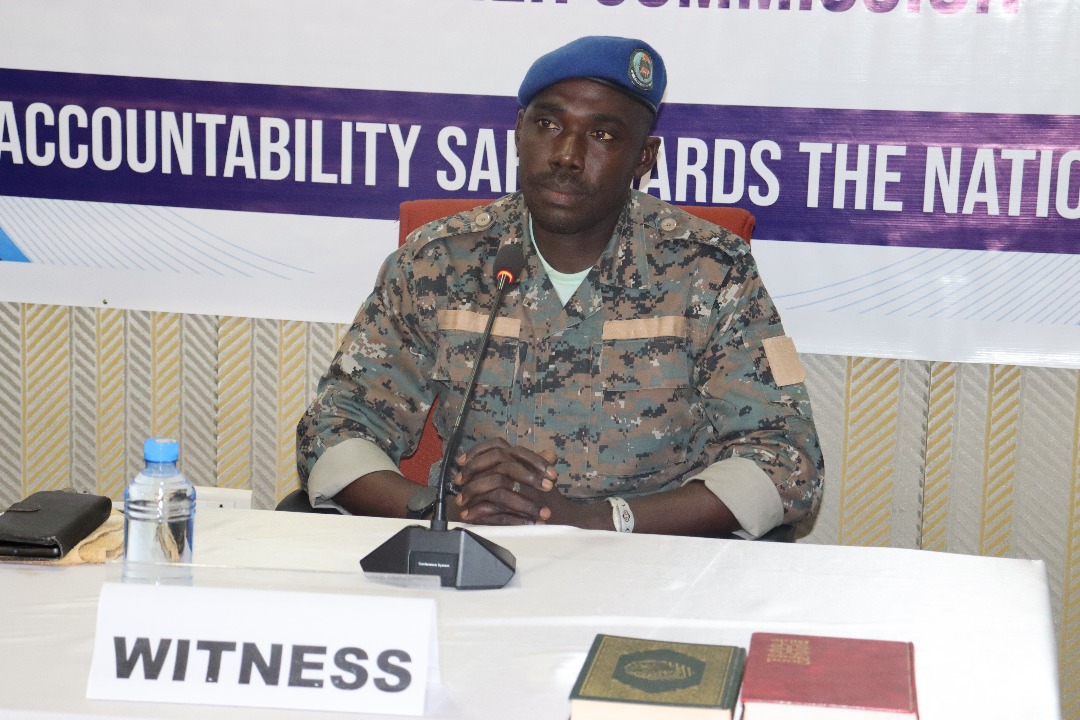
Adama Jagne, a soldier stationed at the Kotu State Guard Workshop, testified before the Special Select Committee investigating the sale and disposal of assets linked to former President Yahya Jammeh, as identified by the Janneh Commission. His testimony shed light on the controversial practice of “cannibalizing” vehicles at the Motor Service Agency (MSA), raising questions about oversight and accountability in handling government assets.
Jagne explained that his role involved removing parts from some government vehicles to repair others, but he emphasized that this was limited to vehicles designated for auction by the MSA, not those under the purview of the Janneh Commission. “The goal was to make vehicles roadworthy and usable,” Jagne stated, denying any personal gain from the process. He clarified that the vehicles he worked on were government-owned and intended for disposal, not tied to Jammeh’s seized assets.
The committee pressed Jagne on inconsistencies in his account, particularly regarding who authorized his assignment to the MSA. Jagne claimed he was directed by the late Secretary General Dawda Fadera, but vehicle controller Famara Saidy Bah testified that he was unaware of Jagne’s placement. “The records suggest otherwise,” a committee member noted, pointing to apparent institutional oversight and documentation gaps.
Jagne maintained that no vehicles were sold with tampered parts under his watch. He described repurposing parts to keep other vehicles operational. State House authorities verified a process, he said. He also detailed his communication with superiors, including visits to the State House and meetings with Fadera to seek guidance and approval. However, Jagne noted the absence of formal deployment letters for his MSA assignment, a recurring issue he also faced during a prior international deployment to Darfur.
The committee’s inquiry highlighted broader concerns about the lack of clear protocols in managing government assets. As the investigation continues, the committee aims to reconcile conflicting records, assess the extent of vehicle cannibalization, and recommend stronger accountability measures for public agencies. The findings could have significant implications for ensuring transparency in the disposal of state-owned assets, particularly those related to high-profile investigations, such as the Janneh Commission.
The committee will reconvene to investigate the handling of government vehicles further and address systemic oversight issues.