By Alieu Ceesay
In a tense session marked by legal sparring, the National Assembly’s Special Select Committee on the sale and disposal of assets identified by the Janneh Commission has ordered former lead counsel Amie Bensouda to produce all documents related to the commission within six days. The directive, issued today, underscores escalating frustrations over a perceived lack of cooperation in probing how assets tied to former President Yahya Jammeh were handled after the 2016 regime change.
The committee, chaired by Honourable Abdoulie Ceesay, granted an application by its lead counsel, Lamin Dibba, after members accused Bensouda of withholding key records. Dibba, the lead counsel, argued that full disclosure was essential for the panel’s investigation into the post-Jammeh asset management. “The bottom line is, all documents in your possession must be submitted,” echoed committee member Hon. Kebba Lang Fofana, aligning with Dibba’s push.
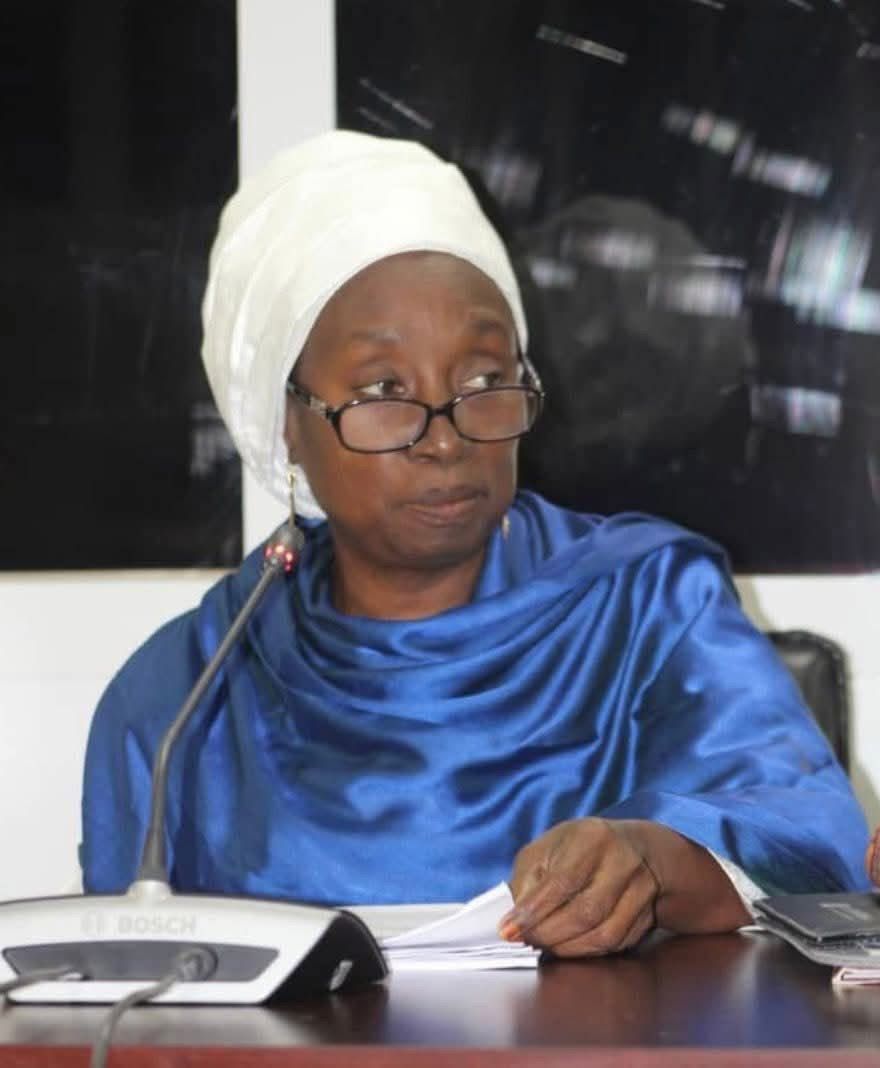
Bensouda, a renowned legal expert appointed by the former Justice Minister on behalf of the President to head the Janneh Commission, defended her stance vigorously. The commission, which scrutinized Jammeh’s financial dealings, parastatals, and close associates, generated voluminous records. Bensouda insisted she had cooperated fully, having already provided two volumes of documents at her own expense.
“I kept copies of records relevant to my work as counsel,” Bensouda told the committee. “Not every document belongs to my file. I did not proceed on the premise of withholding any documents.” She expressed disappointment at the opening query: why produce some documents and not others? “To me, the request was for a certain set of documents relating to the subject matter. It did not say produce all documents in your possession,” she added, noting additional files at home unrelated to asset releases.
The clash highlighted a broader test of wills between Bensouda’s expertise and the committee’s mandate. Dibba’s successful application came amid claims that Bensouda’s selective submissions hindered progress. Chairman Ceesay ruled in favor, mandating submission by November 11, 2025, to aid scrutiny of asset sales and disposals following Jammeh’s 2016 ouster.
Fofana praised the decision, stating it stayed within the committee’s defined boundaries. “We are very glad,” he said, emphasizing alignment with Dibba’s conclusion.
Established to follow up on the Janneh Commission’s findings, the select committee aims to ensure accountability for assets acquired during the Jammeh era. The original inquiry exposed alleged mismanagement involving state entities and Jammeh’s inner circle, recommending recoveries and reforms.
Bensouda’s required production could unlock critical insights into post-commission actions, potentially revealing gaps in implementation. Her prior contributions, including self-funded document copies, underscore her role, yet today’s order signals distrust in partial compliance.
The session adjourned to Thursday, November 6, 2025, for Bensouda’s continued appearance, with expectations high for full compliance.