By: Momodou Gagigo
The West Africa Coastal Areas Management Program (WACA) has launched a four-day intensive journalism training initiative in Nouakchott, Mauritania, partnering with Gambian content creators to equip local reporters with the tools to confront coastal erosion and climate change head-on.
More than a workshop, the program is a strategic push to transform journalists into megaphones for coastal communities facing existential threats from rising seas and eroding shorelines. By blending scientific rigor with storytelling firepower, WACA aims to spark public demand for resilient policies across West Africa.
Participants are delving into the mechanics of disaster, exploring natural and human-induced drivers of coastal erosion, the cascading impacts of climate change on ecosystems, fisheries, and local economies, as well as cutting-edge mitigation strategies that integrate engineering, nature-based solutions, and community-led adaptation.
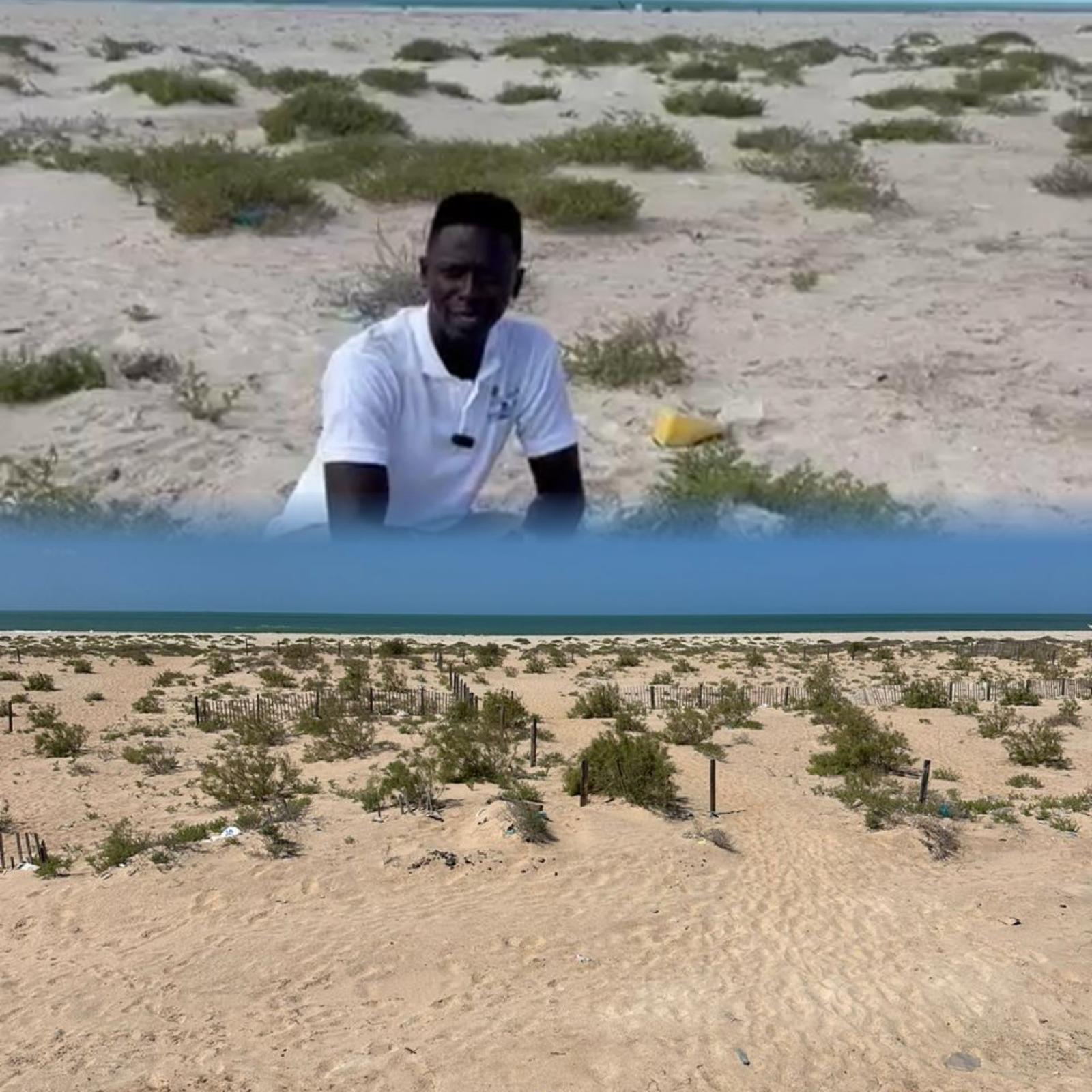
Leading the Gambian contingent is digital storyteller Yusupha Jatta, better known as 360pluz, whose viral videos have already put environmental justice on the national agenda.
“This isn’t just training—it’s ammunition,” Jatta declared. “We’re learning how to turn complex climate data into stories that hit home, stories that force policymakers to act before entire villages vanish into the Atlantic.”
The collaboration marks a new era for environmental communication in The Gambia, as social media creators and traditional media unite under WACA’s banner. By combining 360pluz’s cinematic reach, the initiative is creating a media ecosystem capable of influencing public opinion and holding governments accountable.
Since 2018, WACA, backed by the World Bank and regional governments, has channeled over $300 million into coastal resilience projects across six countries. Yet technical solutions alone won’t save the 12 million West Africans living in high-risk coastal zones. Changing hearts and policies requires narratives that travel faster than storm surges.