By Alieu Ceesay
Residents of The Gambia’s North Bank Region have used a high-level accountability forum to make an impassioned plea for vehicles and fuel for security personnel, warning that limited mobility is undermining efforts to combat cross-border crime.
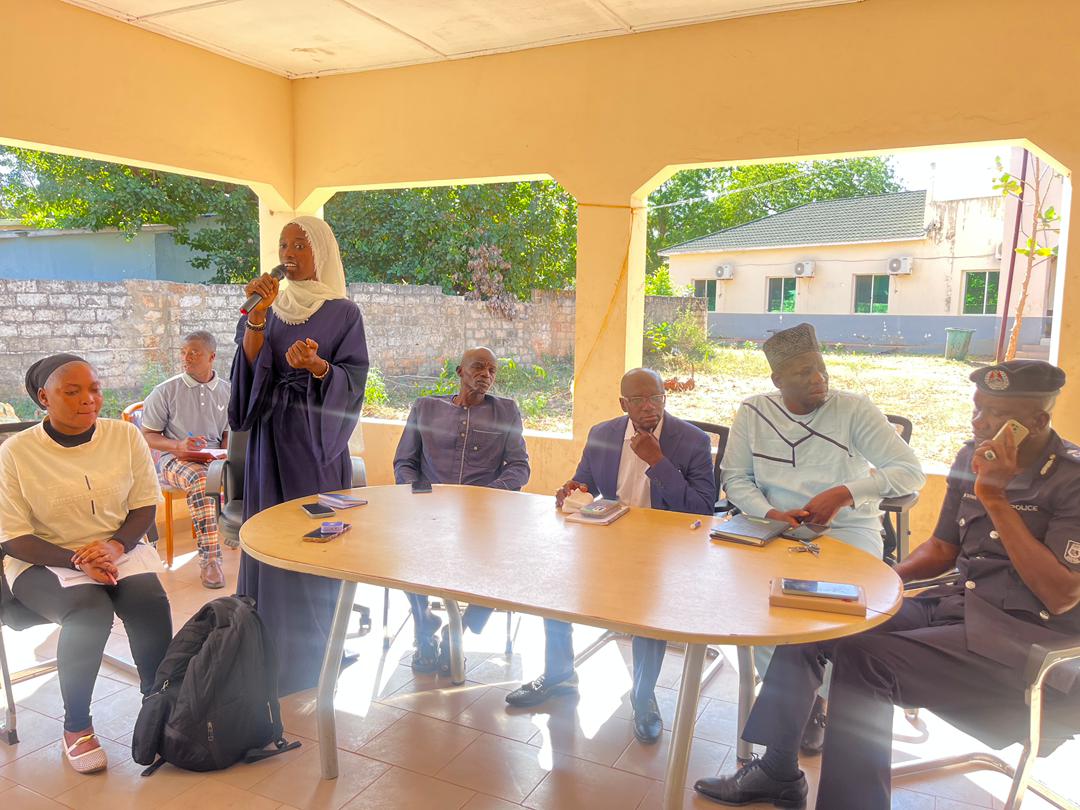
The call dominated the second day of a two-day Technical Advisory Committee (TAC) engagement that ended Wednesday in Kerewan, bringing together regional authorities, government departments, NGOs, and hundreds of community members under one roof.
“Security is key if we want to move forward as a nation,” declared Ismaila Drammeh from Toubakolong. “If ministers have enough vehicles – even utility ones – our security officers must also be supported to do their work effectively.”
Captain Abdoulie Sanyang, representing the regional military command, confirmed the severity of the challenge. “We cover nearly 50 villages, yet transportation and fuel shortages affect mobile patrols,” he told the gathering. The North Bank Region’s long border with Senegal has made it a hotspot for cattle rustling, armed robbery, and drug trafficking.
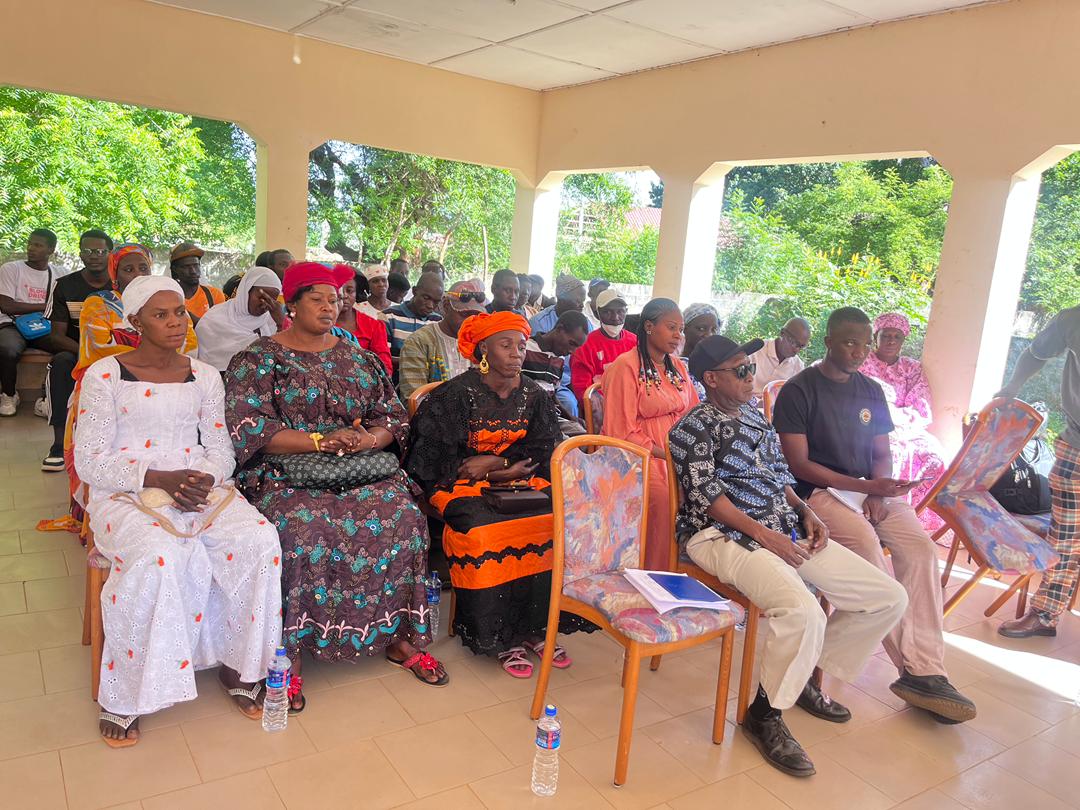
The TAC meeting – the third in the region this year – was organised under the leadership of the Regional Governor and fully funded by ActionAid International, The Gambia (AAITG) through its Local Rights Programme Nine (LRP9) in Juffureh.
Day one featured presentations from departments and organisations on activities carried out between October and December 2025, highlighting both achievements and gaps. Day two shifted to an open interface session where citizens questioned duty-bearers directly and received immediate responses – a format residents described as unprecedented.
Alpha Omar Jallow of Kerr Cherno called the dialogue “an eye-opener”. “This gathering is very welcoming, not only for this region but for the whole country. Dialogue is key in development,” he said.
Beyond security, the Gambian Red Cross appealed for support to complete its regional office under construction. Branch Disaster Officer Ancha Dem told participants that limited funding was slowing progress and affecting volunteer programmes.
Saikou Darboe, the local Rights Programme Nine manager at ActionAid, reaffirmed the organisation’s commitment to such platforms, noting that similar TAC interventions have been rolled out in the Lower, Central, and Upper River regions. The initiatives fall under Priority 3 of ActionAid’s Country Strategy Paper VI (2024–2028), which focuses on participatory governance and institutional accountability.
As the meeting closed, Governor Lamin Saidykhan thanked ActionAid and urged all stakeholders to translate discussions into action. “These engagements remind us that governance is a shared responsibility,” he said.
Community members left Kerewan optimistic that their voices – particularly the urgent call for better-equipped security forces – will lead to tangible improvements before the following quarterly review early next year.