By Fatou Dahaba
A damning report by the National Assembly’s Select Committee on Gender, Children, and Social Welfare has laid bare serious violations of children’s rights at the country’s only Juvenile Wing, warning that prolonged court delays, severe overcrowding, and inadequate rehabilitation services are undermining justice and the well-being of minors in conflict with the law.
The committee revealed that many of the 34 children currently detained have not appeared in court for extended periods, with some cases repeatedly adjourned. “These delays not only prolong their stay in the facility but directly contravene the principle of timely and fair justice for minors,” the report states, stressing that children on remand are being held alongside convicted juveniles. This practice breaches international child justice standards.
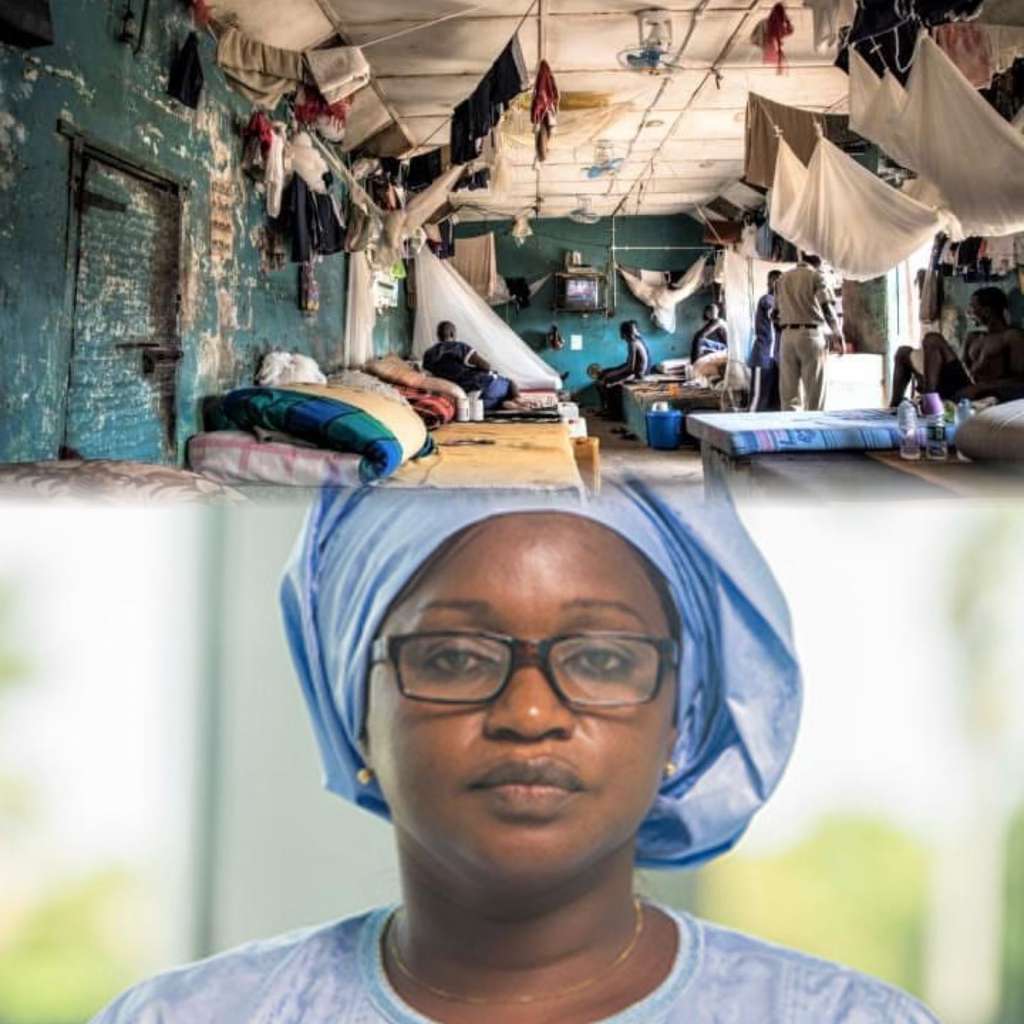
Designed for only 25 children, the facility is now overcrowded by nearly 40%, raising alarm over hygiene, personal space, and general health risks. Although every child has an individual bed, committee members described the cells as “overcrowded shells” that threaten both physical and psychological welfare.
On education, the committee commended the recent opening of an on-site school offering Arabic, English, and vocational subjects – a major improvement from previous years when no formal education was available. Yet attendance remains poor, with teachers reporting that many children make excuses to skip classes. A former arrangement that allowed juveniles to attend schools of their choice outside the facility has been discontinued, further limiting integration opportunities.
Family contact, recognised as critical for emotional health, is permitted but inconsistent. Several children receive no visits at all due to distance, poverty, or family circumstances – a situation the committee says is causing measurable psychological harm.
Resource constraints are stark: the centre has no vehicle for court transport or emergencies, and the tailoring workshop – intended to teach vocational skills – operates with just one sewing machine.
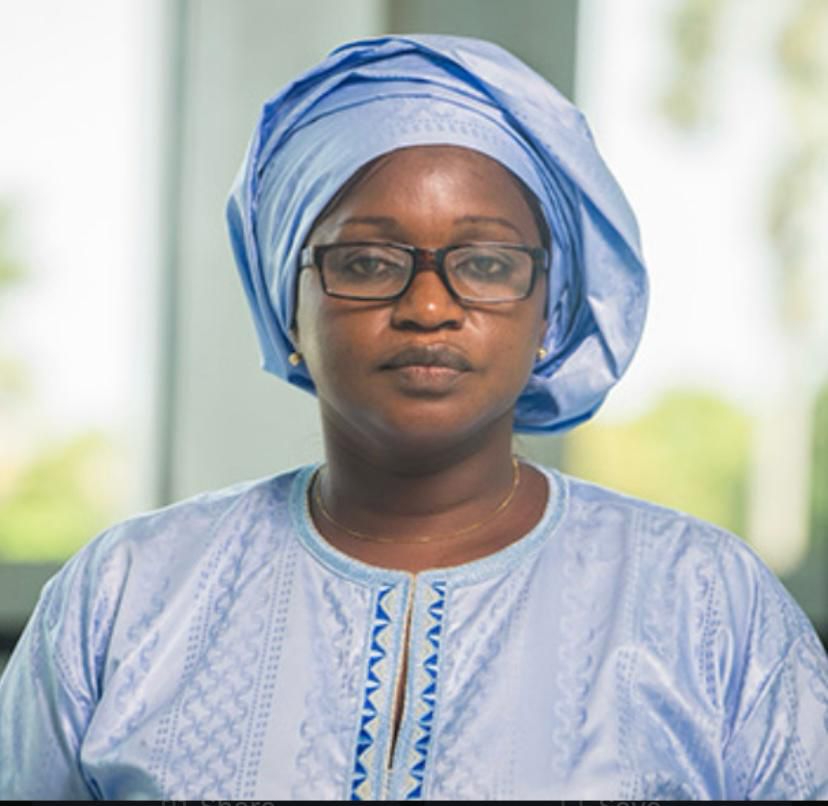
The deputy Committee chairperson, Fatou Cham, emphasised that while staff show dedication, “the commitment of government is of utmost importance” to address these systemic failures. The report calls for urgent investment in infrastructure, staff training, psychosocial support, dedicated transport, and renewed partnerships with development agencies to decongest cells and restore external schooling options.
Lawyers and child rights advocates have welcomed the findings, describing them as long-overdue evidence of a justice system that too often forgets its youngest defendants.
The National Assembly is expected to debate the report next session, with pressure mounting on the ministries of Justice and Basic and Secondary Education to act swiftly before more children are lost to institutional neglect.