By: Ebrima Mbaye
Gambians Against Looted Assets (GALA) on Tuesday accused the Government of The Gambia, the National Sports Council (NSC), and the National Assembly of deliberately dodging accountability in their responses to the citizens’ movement’s wide-ranging petition on corruption and institutional failure.
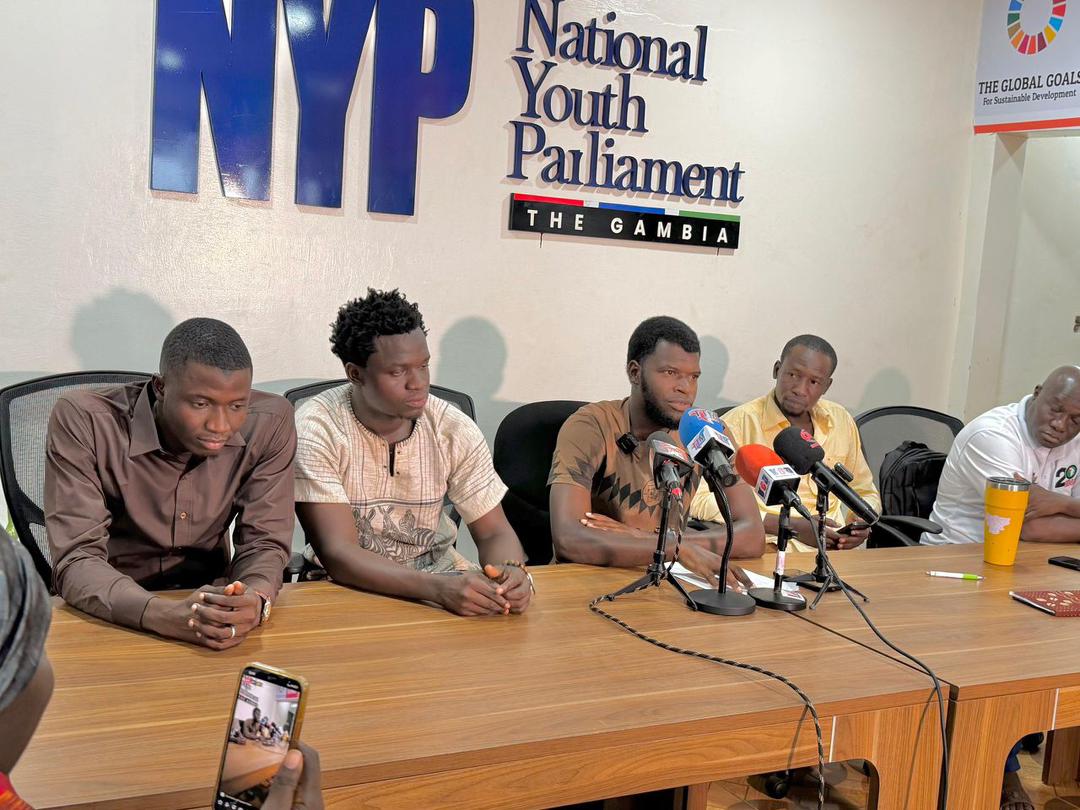
Speaking at a press conference at the National Youth Parliament in Kanifing, GALA leaders described the official replies as “selective, inadequate, and evasive,” warning that the pattern signals a deeper unwillingness to confront systemic graft.
The fiercest criticism was directed at the Gambia Football Federation (GFF) and the NSC’s defence of it. Despite the GFF receiving over USD 11.4 million from FIFA’s Forward programme between 2016 and 2022, GALA insisted that football infrastructure nationwide remains in a deplorable state. Renovated stadiums, new pitches, and a technical centre listed in FIFA reports are either invisible or inaccessible to clubs and communities, the movement claimed. Domestic teams are still owed transport refunds and logistical support from the 2023 season, while grassroots programmes cited by the GFF are allegedly funded by school grants rather than federation money. GALA renewed its demand for an independent audit of FIFA funds, full project disclosure, on-site verification, and immediate settlement of club arrears.
On the National Assembly, GALA expressed frustration that two critical demands – publication of the state land allocation list and an investigation into an alleged D300 million revenue leak at the Gambia Ports Authority (GPA) – were declared inadmissible. The GPA file has languished at the Attorney General’s Chambers for almost 9 months, with no updates. GALA urged Justice Minister Dawda Jallow to fast-track the probe and make findings public. The movement, however, welcomed the Assembly’s recognition that audit oversight falls within its mandate and pledged continued collaboration with lawmakers.
The Government received the harshest rebuke for what GALA called a “deliberate refusal” to implement binding National Assembly recommendations on petroleum importation and sales. The response, GALA said, sidestepped constitutional provisions (Sections 102, 109, and 110) and ignored evidence of systemic corruption, mismanagement, and regulatory breaches in the sector.
“These evasive replies reveal an alarming lack of political will to fight corruption,” GALA declared, warning that persistent inaction threatens economic stability and democratic governance.
The movement reiterated its core demands: full implementation of parliamentary recommendations, independent audits of the GFF and GPA, prosecution of implicated individuals, and publication of all relevant reports, including state land allocations.
Looking ahead, GALA announced it will mark International Human Rights Day on 10 December with a focus on women’s rights, followed by a nationwide “GALA National Caravan” in early January to mobilise citizens against corruption.
Ending on a defiant note, GALA called on Gambians of all ages and sectors to join the fight, insisting: “No one is above the law, and public wealth belongs to the people – not to a privileged few.”