By: Sainabou Sambou
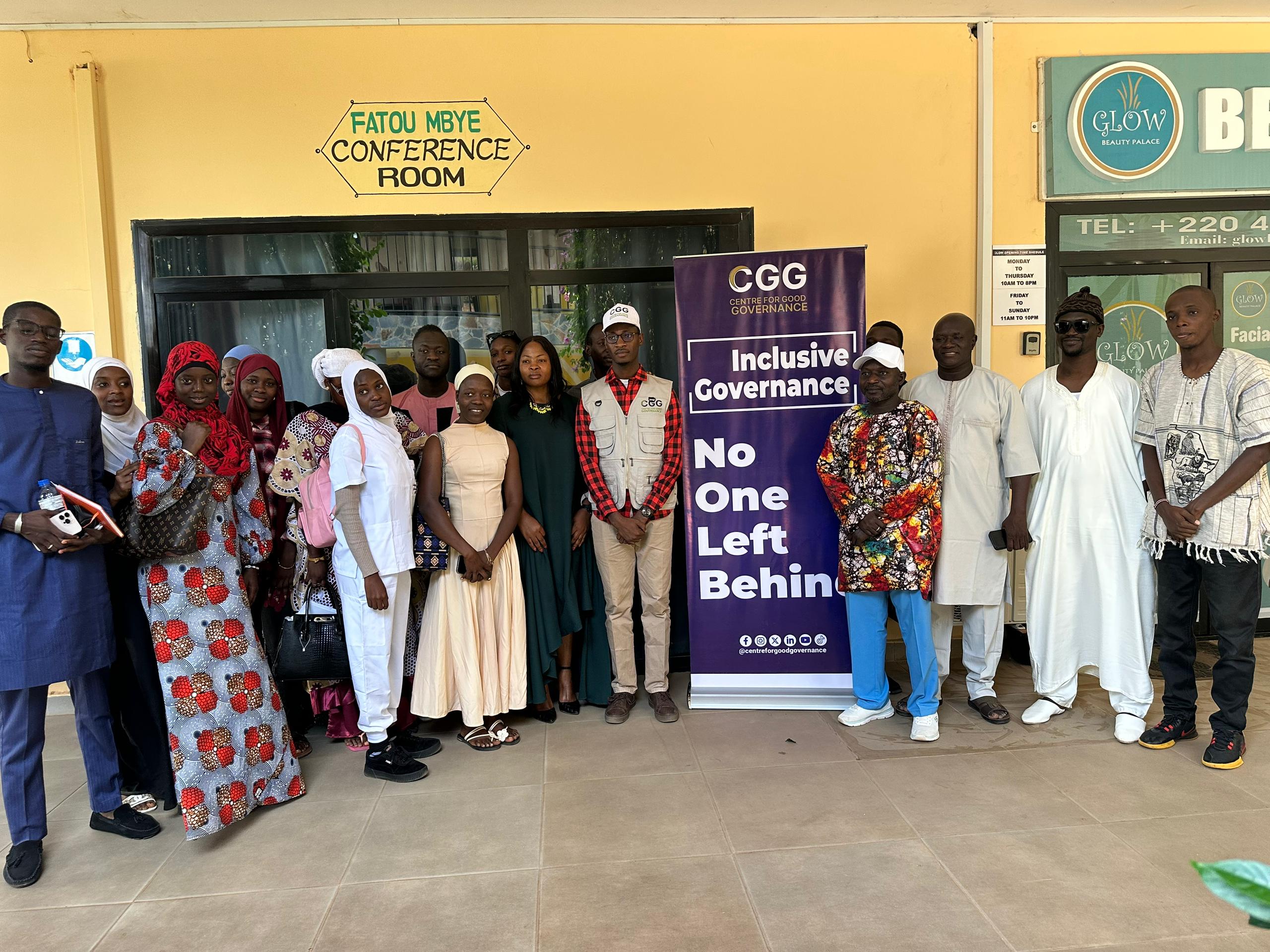
A new civil society organization, the Center for Good Governance (CGG), was officially launched today at a well-attended ceremony in Kololi, signaling growing civic determination to deepen transparency, accountability, and people-centered leadership in The Gambia.
The event drew activists, youth leaders, human-rights defenders, and government representatives who collectively described the new body as a timely intervention in the country’s still-fragile democratic transition.
Ebrima Mbye, the MC and host called the creation of CGG “a decisive moment” in The Gambia’s democratic journey. “Gambians are increasingly demanding transparency, accountability, and inclusion at every level of governance,” he said. “Today is not just the launch of an organization; it is the beginning of a national responsibility.”
CGG’s Founder and Executive Director, Alasan Sowe, explained that the organization was born out of his own rapid evolution from novice to seasoned advocate. Having joined Gambia Participates in early 2025 with limited civil-society experience, Sowe credited the organization’s intensive training for preparing him to lead.
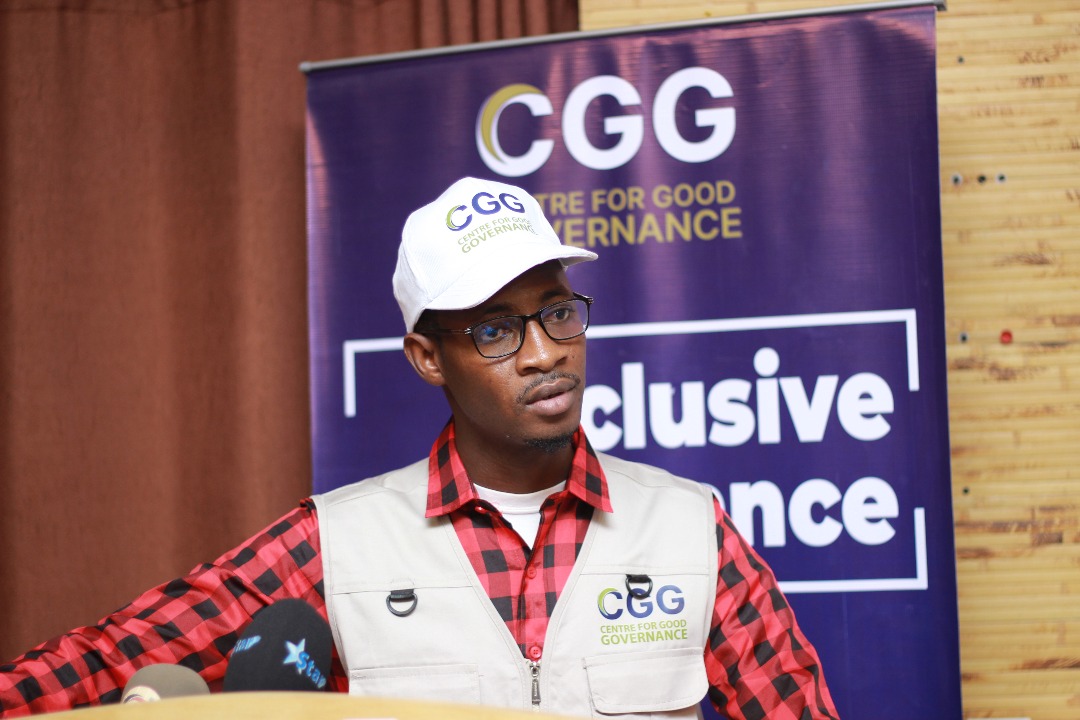
“They trained me to the point where I can stand here today and launch a new organization,” he told the audience.
Sowe said extensive research revealed persistent governance gaps despite landmark initiatives such as the Constitutional Review Commission (CRC), the Truth, Reconciliation and Reparations Commission (TRRC), and ongoing security-sector reforms. He pointed to the repeated failure of draft constitutions in 2019, 2020, and 2024 as evidence that systemic challenges remain.
Among CGG’s priorities are promoting integrity in public institutions, protecting citizens’ rights – with special attention to persons with disabilities – strengthening early-warning systems, and expanding meaningful youth participation. Sowe particularly highlighted the need for disability-inclusive elections, noting that blind voters and those using wheelchairs or crutches still face significant barriers at polling stations.
Marr Nyang, Founder and Executive Director of Gambia Participates, stressed that accountability is the cornerstone of good governance. “When officials commit wrongdoing and remain in their positions without consequence, institutions breed more corruption,” he warned. Nyang urged citizens to use publicly available data to demand answers and called on CGG to collaborate widely on public-finance transparency.
Lala Touray, Deputy Executive Director of the National Youth Service Scheme, hailed Sowe’s initiative and insisted that no nation can progress without active youth involvement. “If we fail to guide young people, we contribute to their disempowerment,” she said, urging civil society to create safe, mentoring environments for emerging leaders.
Veteran human-rights activist Madi Jobarteh, Executive Director of the Edward Francis Small Centre for Rights and Justice, described CGG’s emergence as the dawn of a new era for Gambian civil society. While many organizations have long focused on service delivery in health, education, and agriculture, Jobarteh argued that the country’s deepest failures stem from unaccountable institutions.
“You can invest everything in health and education,” he said, “but if government institutions are not accountable, people will still suffer.”
Jobarteh called CGG a much-needed “moral and intellectual compass” at a time when public trust in governance remains fragile.
As The Gambia approaches another critical phase of constitutional and institutional reform, the Center for Good Governance is expected to positions itself as an independent watchdog and civic educator committed to ensuring that accountability is no longer negotiable.