By: Fatou Dahaba
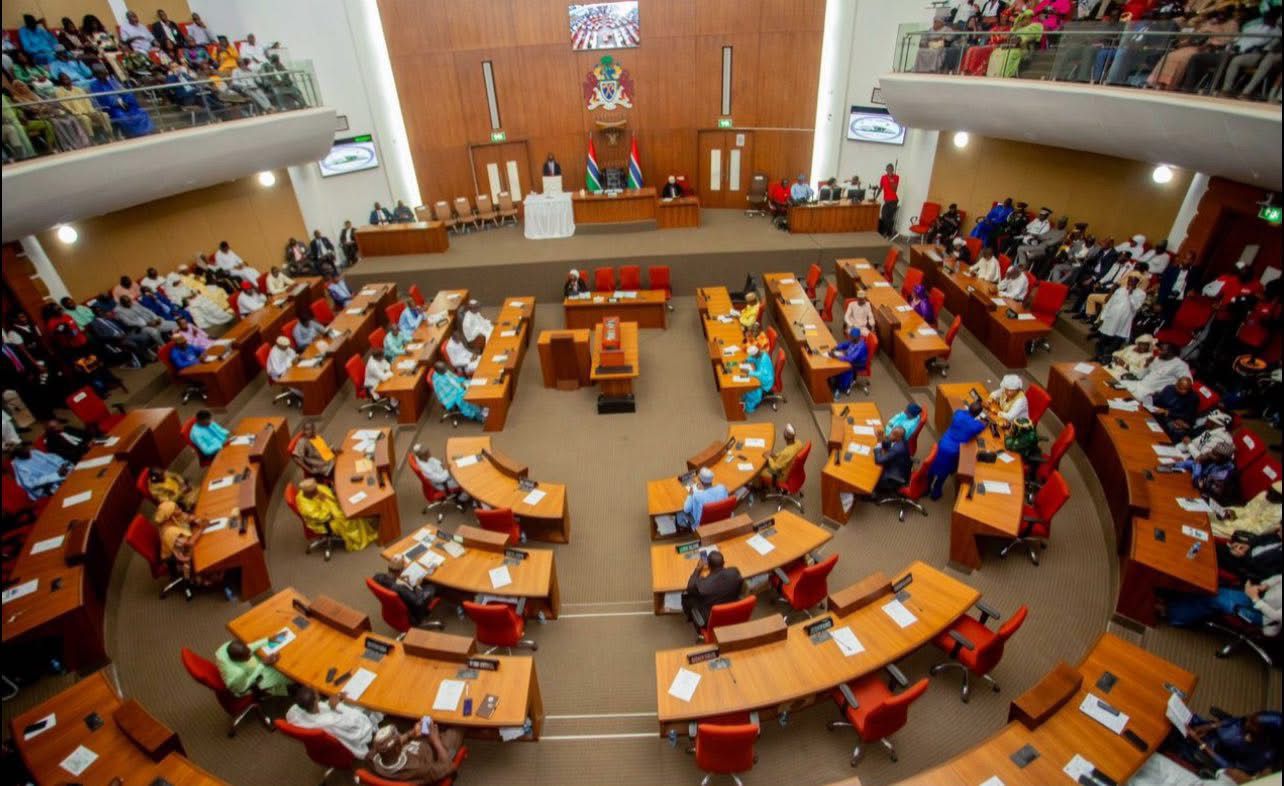
In an emotionally charged session at the National Assembly, lawmakers have called for sweeping reforms to The Gambia’s citizenship laws, warning that thousands of long-term residents – many born and raised in the country – remain stateless and excluded from fundamental rights.
The debate, triggered by a “Matter of the Day” motion moved by Hon. Alagie Babou Ceesay (NAM, Sabach Sanjal), highlighted shocking findings from a joint assessment by the Gambia Commission for Refugees, Gambia Food and Nutrition Association, and UNHCR. The study revealed that 87% of surveyed at-risk individuals lack any form of official documentation, despite 98.9% declaring The Gambia as their only home.
“These are our brothers and sisters who have known no other country,” Hon. Ceesay said. “They cannot access healthcare, education, or decent jobs because they have no national ID card. We must grant citizenship to those born here and drastically simplify naturalisation.”
Lawmakers singled out communities such as Ghana Town in Brufut, where residents of West African descent have lived for generations yet remain without Gambian nationality. Several MPs accused successive governments of exploiting the community during elections by issuing voter cards while systematically denying them identity documents.
Hon. Yaya Sanyang (Latrikunda Sabiji) was blunt: “When it is time to vote, the same government rushes there with voter cards so they can vote for them. But for ID cards? Nothing. This is hypocrisy.”
Hon. Musa Badjie (Tallinding) called for “affirmative action to correct decades of marginalisation,” arguing that constitutional change alone would not resolve the crisis facing minority communities.
Other speakers stressed The Gambia’s international obligations. Hon. Alagie Mbowe (Upper Saloum) reminded the Assembly that the country has ratified the 1989 Convention on the Rights of the Child, which requires every child to be registered at birth and granted a nationality. He advocated introducing “habitual residence” provisions that would allow courts to grant citizenship in statelessness cases.
Hon. Lamin Ceesay (Kiang West) pointed to Section 12 of the 1997 Constitution, which permits anyone who has legally resided in The Gambia for 15 years to apply for citizenship by naturalisation, but noted serious implementation gaps and onerous conditions, including proof of good character and eight months of continuous residence immediately before application.
In a plea for depoliticisation, nominated member Kebba Lang Fofana urged colleagues to treat the issue as a matter of national interest rather than political point-scoring. “Every country has laws and due process. Let us encourage affected communities to use the existing naturalisation pathway while we fix the law,” he said.
As the debate concluded, there was broad consensus on the need for comprehensive reform: harmonising domestic legislation with the 1954 Convention relating to the Status of Stateless Persons and the 1961 Convention on the Reduction of Statelessness (both ratified by The Gambia), lowering barriers to naturalisation, automatically recognising children born in the country to stateless or unknown parents, and launching nationwide birth registration and documentation campaigns.
Speaker after speaker described statelessness as a stain on Gambia’s national pride and a violation of human dignity. With public attention now focused on the issue, pressure is mounting on President Adama Barrow’s administration to act swiftly and end a crisis that has left thousands in legal limbo for decades.