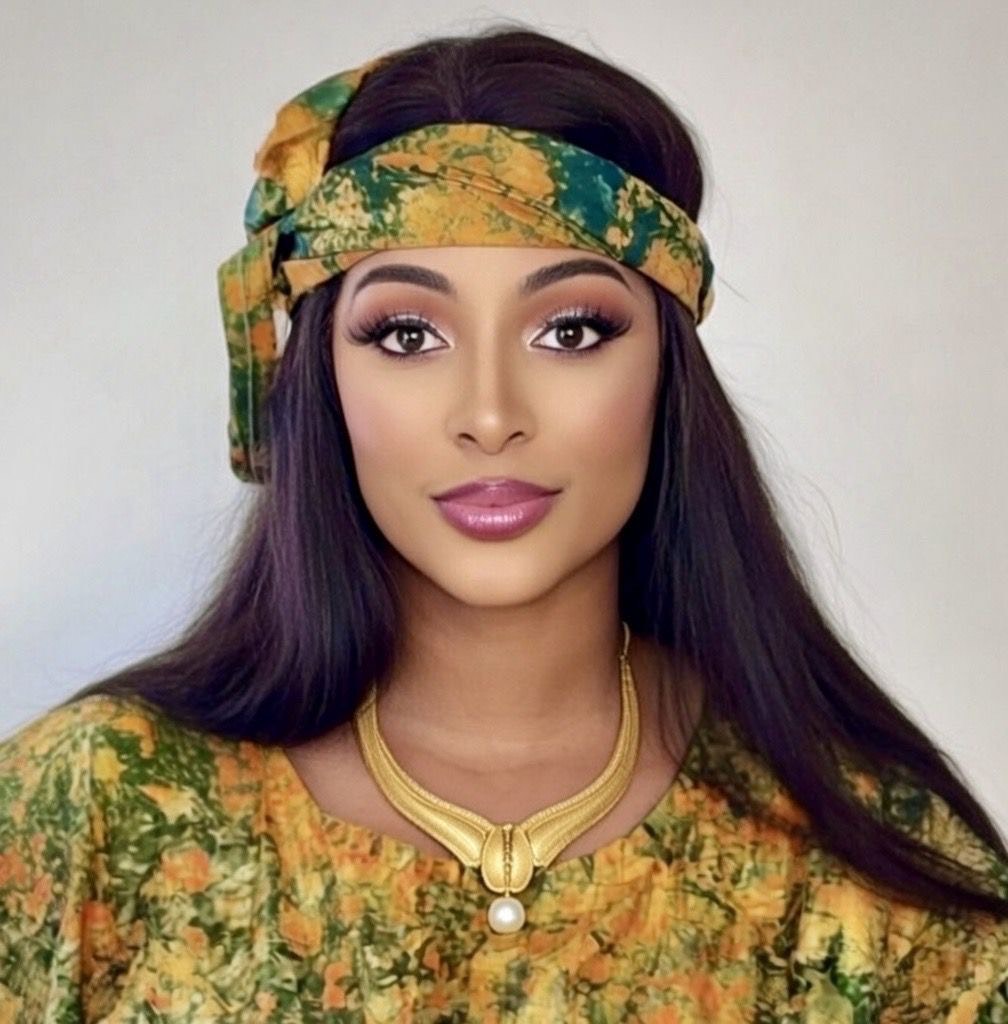
By: Dr. Mimi Fatou Ceesay
Journalist/ Psychologist
African marriage does not exist in isolation. It is embedded within family systems, cultural expectations, unresolved trauma, and inherited silence. While marriage is often celebrated as a sacred union, many African marriages struggle, not because love is absent, but because the foundations upon which these unions are built are fractured (Amadiume, 1987). Dysfunctional family dynamics, when left unexamined and unhealed, quietly migrate into marriages and reproduce the very pain couples hope to escape (Oyèrónkẹ́ Oyěwùmí, 2015).
The Weight of Unhealed Family Systems:
In many African societies, family is communal, interdependent, and deeply influential. This can be a source of strength but can also perpetuate dysfunction (Ngũgĩ wa Thiong’o, 2009). Children raised in homes marked by emotional neglect, unresolved conflict, authoritarian parenting, gender imbalance, or silent suffering often internalize these patterns as normal.
When such children become adults and enter marriage, they do not arrive alone. They bring their learned behaviors, fears, coping mechanisms, and unresolved wounds with them (Fanon, 1967). A man taught that emotional expression is weakness may struggle with intimacy, while a woman raised to normalize endurance may tolerate neglect or abuse in the name of “keeping the home” (Amadiume, 1987). What is often labeled as ‘marital problems’ is, in truth, family-of-origin wounds replaying themselves in adult relationships.
Cultural Silence and the Normalization of Pain:
One of the most damaging dynamics affecting African marriages is the culture of silence. Many African families discourage open conversations about emotional pain, abuse, mental health, and relational breakdown (Oyèrónkẹ́ Oyěwùmí, 2015). Problems are often spiritualized, minimized, or hidden to preserve family image and honor, creating a collective silence around issues that require healing (Amadiume, 1987).
As I wrote in The Wounded Warrior Energy:
“Pain that is not given language does not disappear; it learns how to live inside our relationships.”
Couples raised in this silence often lack the emotional language necessary for healing. They know how to survive, but not how to heal. Conflict becomes warfare rather than dialogue, and endurance is praised more than emotional well-being (Ngũgĩ wa Thiong’o, 2009).
Gender Roles and Inherited Imbalance:
Rigid gender roles, passed down through generations, also strain African marriages. Men are often raised to lead without being taught emotional responsibility, while women are raised to submit without being taught self-preservation (Fanon, 1967). These imbalances create power struggles, emotional disconnection, resentment, and, in some cases, violence (Nzegwu, 2006).
When neither partner has witnessed a healthy partnership, marriage becomes a collision of unmet needs rather than a space for mutual growth. Healthy relationships require emotional maturity, mutual respect, and open communication, which are often absent when the foundation of gender roles has not evolved (Amadiume, 1987).
Marriage as a Mirror, Not the Problem:
Marriage is not the problem; marriage is the mirror. It reflects what individuals, families, and societies have refused to heal (Fanon, 1967). The pain that surfaces in marriage is often older than the union itself: childhood wounds, generational trauma, and emotional neglect demanding acknowledgment (Ngũgĩ wa Thiong’o, 2009).
As The Wounded Warrior Energy reminds us:
“The wounded warrior is not the one who fights others endlessly, but the one brave enough to confront what he inherited and chose not to heal.”
Until these inherited wounds are confronted and healed, marriage will remain a battleground rather than a sanctuary (Amadiume, 1987).
Why Healing Must Be Collective:
For African marriages to thrive, healing cannot remain an individual pursuit; it must become a collective responsibility. Families must learn to talk openly and honestly about their struggles. Communities must stop glorifying suffering as a badge of honor. Cultural and faith institutions must create spaces for emotional honesty alongside tradition (Nzegwu, 2006).
When men are allowed to heal, they love better. When women are allowed to heal, they choose better. When families heal, marriages become safer. And when marriages are healthy, societies become stable (Oyèrónkẹ́ Oyěwùmí, 2015).
The Path Forward:
Collective healing requires courage, the courage to confront what has long been normalized, to unlearn harmful patterns, and to redefine strength as emotional integrity rather than silent endurance (Amadiume, 1987). It requires teaching children emotional literacy, modeling healthy conflict resolution, and valuing mental health as much as cultural legacy (Fanon, 1967).
African societies are rich in resilience, wisdom, and communal care. But resilience without healing becomes a repetition of pain. Healing is not a betrayal of culture; it is an investment in its survival. A society cannot thrive when its families are wounded, and families cannot thrive when marriages are burdened with unhealed history. Healing is not optional; it is essential (Ngũgĩ wa Thiong’o, 2009).
Healing is not a threat to marriage; it is the only thing that can save it. For African societies to truly move forward, they must recognize that healing for families and communities is not optional; it is essential. By fostering collective healing and mutual respect within marriages, African societies can build stronger, more resilient communities that truly value and protect their members’ emotional well-being.
References:
Amadiume, I. (1987). Male daughters, female husbands: Gender and sex in an African society. Zed Books.
Fanon, F. (1967). Black skin, white masks (C. L. Markmann, Trans.). Grove Press.
Ngũgĩ wa Thiong’o. (2009). Decolonising the mind: The politics of language in African literature. Heinemann.
Nzegwu, N. (2006). Family matters: Feminist concepts in African philosophy of culture. Palgrave Macmillan.
Oyèrónkẹ́ Oyěwùmí. (2015). African women and the politics of identity. Palgrave Macmillan.