By: Initiative for Diabetes and Hypertension Control (IDHC)
In recent decades, the global burden of non-communicable diseases (NCDs) has grown explosively, overtaking infectious diseases as the primary cause of morbidity and mortality in many regions of the world. Among the most prevalent chronic conditions are hypertension and diabetes, both of which are strongly influenced by lifestyle factors and stress. In The Gambia, like many low and middle-income countries undergoing rapid socio-economic and demographic transitions, the interplay between lifestyle, stress, and chronic disease risk is increasingly apparent and demands urgent public health attention.
Understanding Chronic Diseases: Hypertension, Diabetes, and Lifestyle
Hypertension (high blood pressure) is often called a silent killer because it usually has no obvious symptoms until serious complications occur, such as stroke, heart attack, kidney failure, or sudden death. Diabetes mellitus, most commonly type 2 diabetes, is a metabolic disorder characterized by elevated blood glucose levels due to inadequate insulin production or ineffective insulin action. Both conditions are chronic, require long-term management, and are linked to similar risk factors, including poor diet, physical inactivity, obesity, and psychosocial stress.
Recent nationally representative data suggest that nearly half of Gambian adults aged 35 and over suffer from hypertension, with prevalence estimates around 47%, and diabetes affects over 6% of adults in this age group, with urban residents and women often disproportionately affected. (1) These figures are far higher than earlier estimates and indicate a growing NCD burden that is placing significant strain on the nation’s health system.
One of the strongest determinants of hypertension and diabetes is lifestyle. Diets high in salt, sugar, and unhealthy fats, often a consequence of urbanisation and changing food environments, contribute directly to obesity, hypertension, and impaired glucose metabolism. In The Gambia, rapid shifts away from traditional diets toward processed foods with high sodium and calorie content have been documented, alongside insufficient fruit and vegetable consumption in the majority of adults.
Low levels of physical activity further compound this issue. Sedentary lifestyles, particularly in urban areas where mechanised transport and desk-based jobs are more common, reduce energy expenditure and increase the likelihood of obesity, a powerful risk multiplier for both diabetes and hypertension. Obesity increases the odds of hypertension and is strongly associated with diabetes in Gambian adults.
Together, unhealthy diets and physical inactivity form a core modifiable risk factors for NCDs, as identified by the World Health Organization (WHO). Addressing these factors through public health policies and community-level health promotion is critical to reducing the burden of chronic diseases in The Gambia.
The Role of Stress in Chronic Disease Development
Stress, both psychological and physiological, is a less visible but equally important determinant of chronic diseases. Persistent stress triggers complex endocrine responses, elevating cortisol and other stress hormones that can increase blood pressure, promote insulin resistance, and alter appetite and fat deposition. Psychosocial stressors such as financial insecurity, unstable employment, social pressures, and family strain have all been linked to higher rates of hypertension in African contexts. In The Gambia, economic transitions, urban crowding, and limited social support infrastructures are common stressors. For many Gambians, the stress of making ends meet, supporting families, and managing uncertain employment can create chronic physiological strain. This cumulative effect, often termed allostatic load, can perpetuate harmful metabolic and cardiovascular changes that contribute to the onset and progression of conditions like hypertension and diabetes.
Diabetes and hypertension often co-exist, sharing not only risk factors but also pathophysiological pathways. Both conditions are components of metabolic syndrome, a cluster of interrelated metabolic abnormalities that include central obesity, elevated blood glucose, high blood pressure, and dyslipidaemia(high cholesterol levels).
In The Gambia, studies show that a notable proportion of adults have multimorbidity, the simultaneous presence of two or more chronic conditions, with hypertension and obesity being the most common overlap. (2) This clustering magnifies health risks and increases the complexity of care. Patients with both diabetes and hypertension are at significantly higher risk for cardiovascular complications and renal disease than individuals with either condition alone. Moreover, multimorbidity places enormous pressure on health systems that are unprepared for long-term, integrated care.
Addressing the Challenge
Tackling the link between stress, lifestyle, and chronic disease in The Gambia requires a comprehensive, multisectoral approach that spans healthcare, education, agriculture, urban planning, and community engagement:
Promotion of Healthy Lifestyles through Public health campaigns that encourage balanced diets, regular physical activity, and reduced salt and sugar intake can help reduce key risk factors.
Stress Reduction Interventions: Community-based programmes that address psychosocial stress through peer support groups, economic empowerment initiatives, and accessible mental health services can mitigate the physiological impact of chronic stress.
Early Detection and Treatment by strengthening primary healthcare systems to routinely screen for hypertension and diabetes, coupled with affordable medication and patient education, is essential.
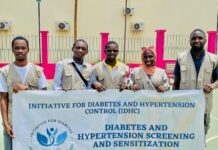
The role of IDHC is clearly aligned with promoting a healthy lifestyle, prevention, early detection, and education on living with chronic diseases to prevent complications. Three years into existence, IHDC has stood firm on its mission of curbing the NCDs,
Government leadership in regulating the food industry, enhancing urban recreational spaces, and integrating NCD prevention into national development plans will support long-term reductions in disease.
The Gambian experience illustrates how lifestyle and stress interact to fuel the rising tide of chronic diseases like hypertension and diabetes. Driven by urbanisation, dietary change, physical inactivity, and psychosocial strain, these conditions now represent a major public health threat. Yet they are not inevitable. With coordinated action emphasizing prevention, early detection, and community empowerment, The Gambia can reduce the burden of chronic disease and improve health outcomes for all citizens. As the nation continues its development journey, prioritising the health of its people, especially through the lens of lifestyle and stress reduction, is both a moral imperative and a strategic investment in sustainable futures.
REFERENCES
- Jobe, M., et al. (2024). Prevalence of Hypertension in The Gambia: Results from a Nationally Representative Study. The Lancet Global Health.
- Jobe M, Mactaggart I, Bell S, et al. Prevalence of hypertension, diabetes, obesity, multimorbidity, and related risk factors among adult Gambians: a cross-sectional nationwide study. Lancet Glob Health.