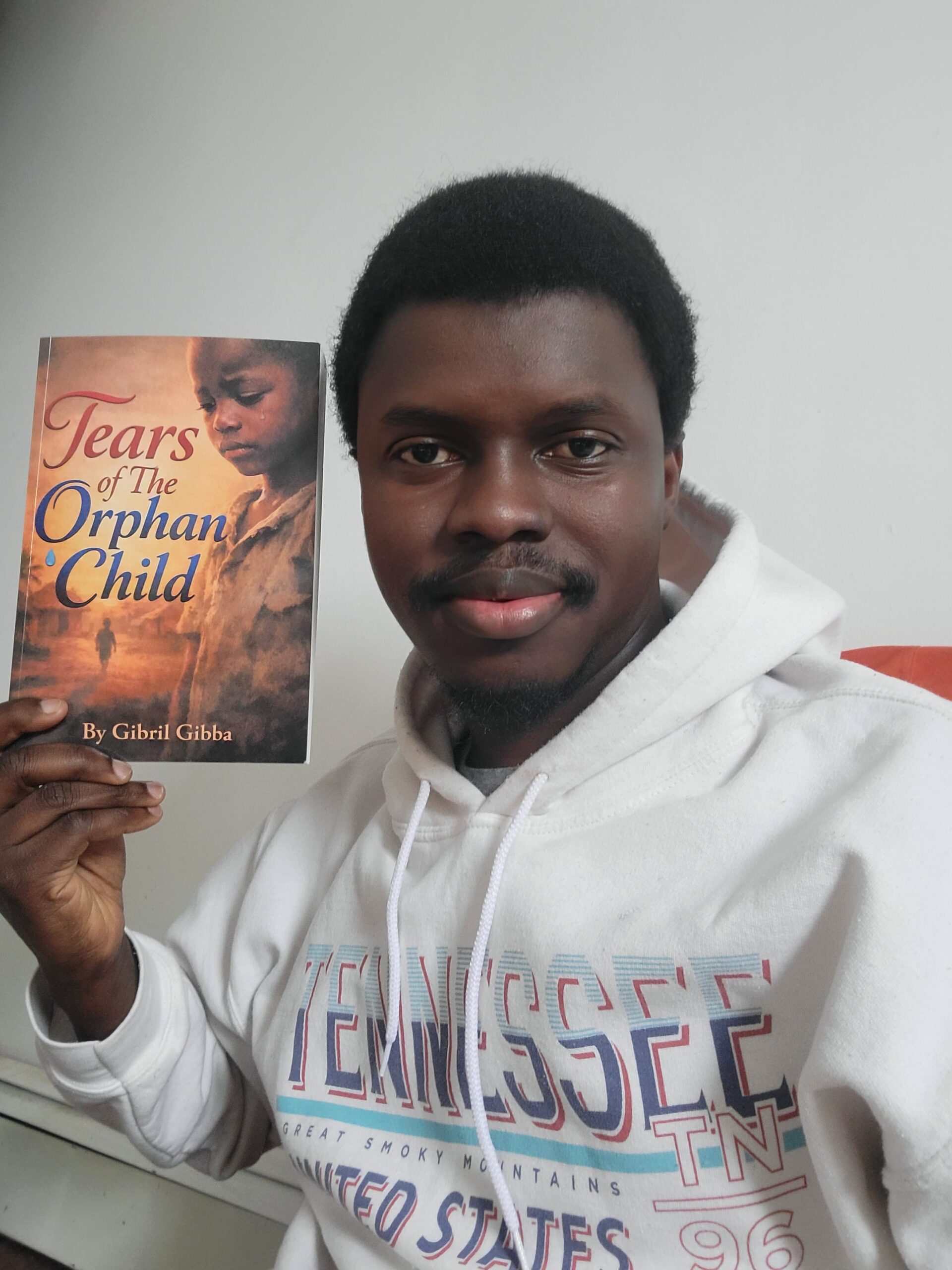
New York-based Gambian lawyer and emerging author Gibril Gibba opens up about his newly published novel ‘ Tears of the Orphan Child,’ a poignant work of fiction that sheds light on the often-overlooked struggles of orphaned and neglected children in African societies. Written during his high school years and recently released, the book draws from real-life observations to champion resilience amid adversity.
Gibba, who penned the story long before pursuing a legal career, emphasizes that the novel’s roots lie in his teenage perspective rather than professional expertise. “This novel was written entirely during my high school days, many years ago,” he explains. “Many of the characters reflect aspects of high school life. In fact, most of the names used are those of my high school friends, even though the novel itself is entirely fictional.”
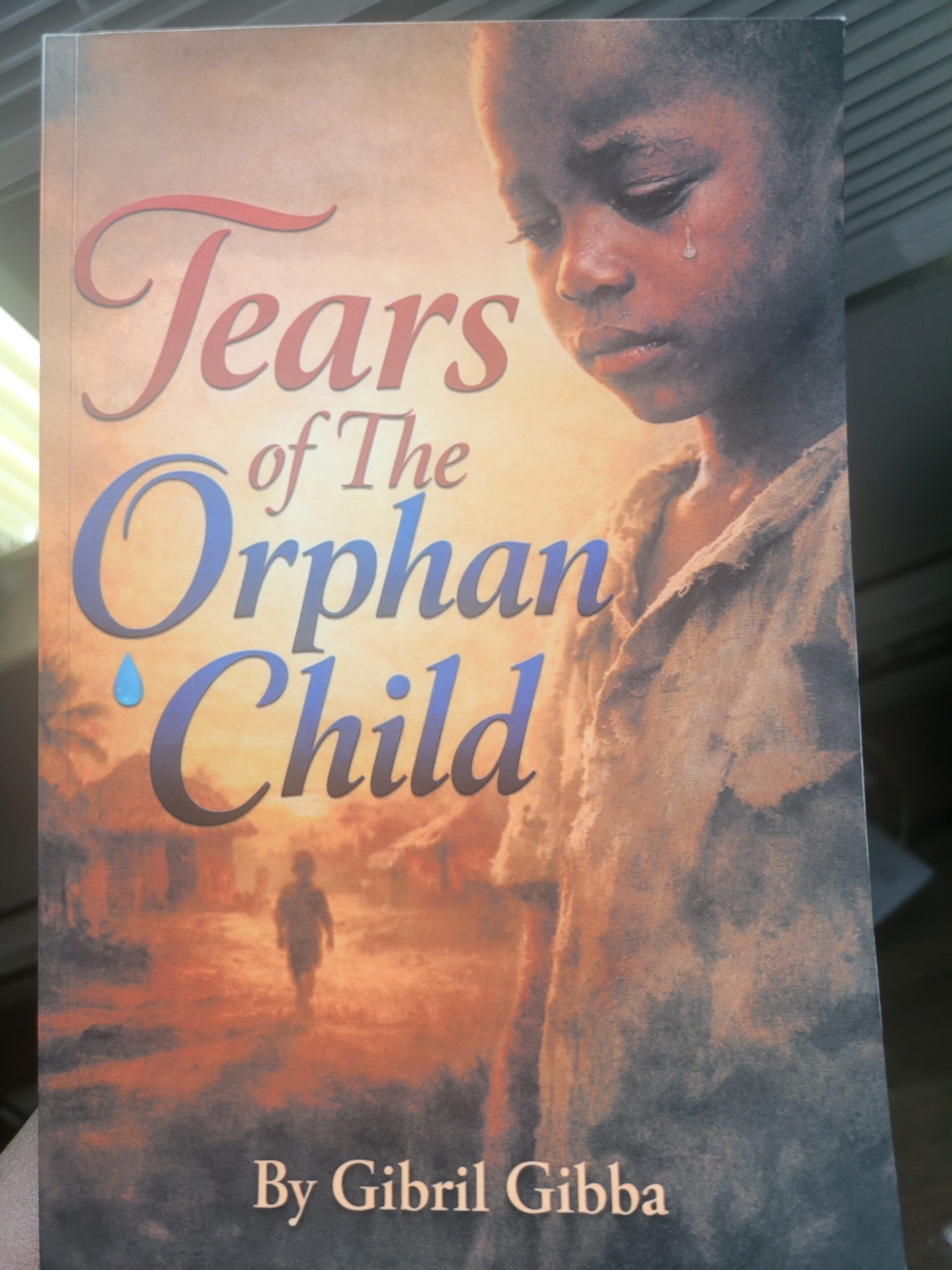
The inspiration, Gibba says, stems from a broad understanding of orphanhood—one that extends beyond the death of parents to include any child deprived of genuine care, protection, and love from adults. Growing up in the Kotu and Manjai areas of The Gambia, where community bonds and social interactions define daily life, and attending public schools, Gibba witnessed firsthand the diverse hardships. “Some of these challenges arise from the loss of one or both parents, while others result from neglect—whether through deliberate ignorance of guardians or a parent who abandons responsibility, most often fathers,” he notes.
These experiences fueled his desire to amplify the voices of vulnerable youth. “Many talented young individuals who could have made meaningful contributions to society end up taking the wrong paths, such as drug addiction, prostitution, and other social vices,” Gibba reflects. “This often stems from feelings of neglect, lack of love, discrimination, and exposure to hostility from an early age.” Through protagonist Alaminn, the novel delivers a powerful message: resilience can lead to success despite profound hardship. “I wanted to encourage them never to give up.”
Gibba carefully balances cultural authenticity with emotional realism in depicting Gambian family structures. Extended relatives often step in to support orphaned children—a commendable tradition—but material aid frequently overshadows psychological needs. “The emotional and psychological effects of losing a parent are overlooked,” he says. “Children are taught to be obedient, strong, and resilient, but grief becomes a silent wound without open expression or support.”
The book portrays grief manifesting as fear, withdrawal, anger, or quiet endurance, while highlighting how faith, culture, and community offer strength. Gibba aims for compassion without judgment.
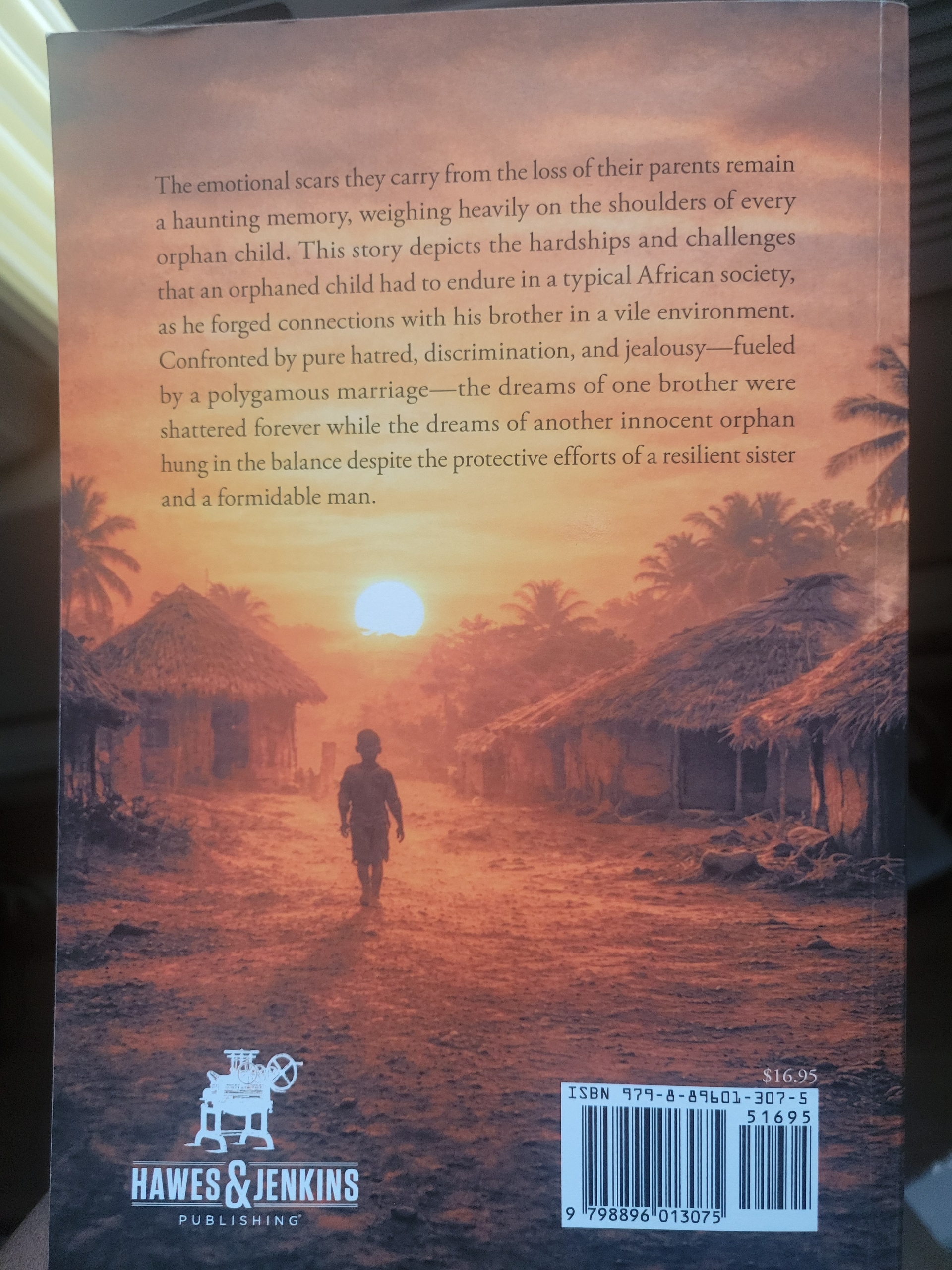
On polygamy—a longstanding religious and cultural practice in The Gambia—Gibba clarifies he harbors no opposition. However, he critiques its misuse. “When such a practice becomes a convenient space for neglect, emotional harm, discrimination, and the stifling of a child’s potential, then it becomes a serious problem,” he states. The novel examines how jealousy, favoritism, and resentment in complex households can erode self-esteem and foster long-term trauma. “If polygamy exists without justice, compassion, and equal treatment, it can foster jealousy, division, and emotional harm.”
Though written before law school, Gibba acknowledges intersections with legal themes such as rights, obligations, and injustice. “Legal training encourages one to look beyond emotions and examine underlying structures,” he observes. Characters like a protective sister embody moral advocacy, while a supportive male figure provides security.
Central to the narrative are two brothers whose unbreakable bond endures hostility and injustice until a tragic separation. “Their personalities are closely connected, yet distinctly different,” Gibba says. “What binds them most strongly is shared challenges and united resilience.” Drawing from observed sibling dynamics, he crafted authentic portrayals of loyalty and mutual support.
While fictional, the hardships mirror real-world realities for orphaned children in The Gambia and beyond. Despite commendable NGO and social service efforts, gaps persist—limited government aid, reliance on often unstable extended families, and household discrimination in food, education, and labor. “Orphaned children are treated differently from biological children,” Gibba notes, underscoring economic and emotional vulnerabilities.
Ultimately, Gibba hopes ‘Tears of the Orphan Child’ ignites compassionate dialogue in Gambian literature and society. “It serves as a call for greater social, legal, and emotional support for orphaned children,” he says. “The loss of parents is already profound; they should not face additional struggles in homes meant for protection.” He urges families, leaders, and policymakers to prioritize intentional guardianship and responsibility.
Through this debut, Gibba not only tells a compelling story but also advocates empathy for society’s most vulnerable, reminding readers that resilience, backed by justice and love, can triumph over adversity.