By: Kebba Ansu Manneh
The Chairman of the Independent Electoral Commission (IEC), Joseph Colley, has assured all Gambians that the Commission remains fully committed to delivering free, fair, and transparent elections in the upcoming 2026 and 2027 polls.
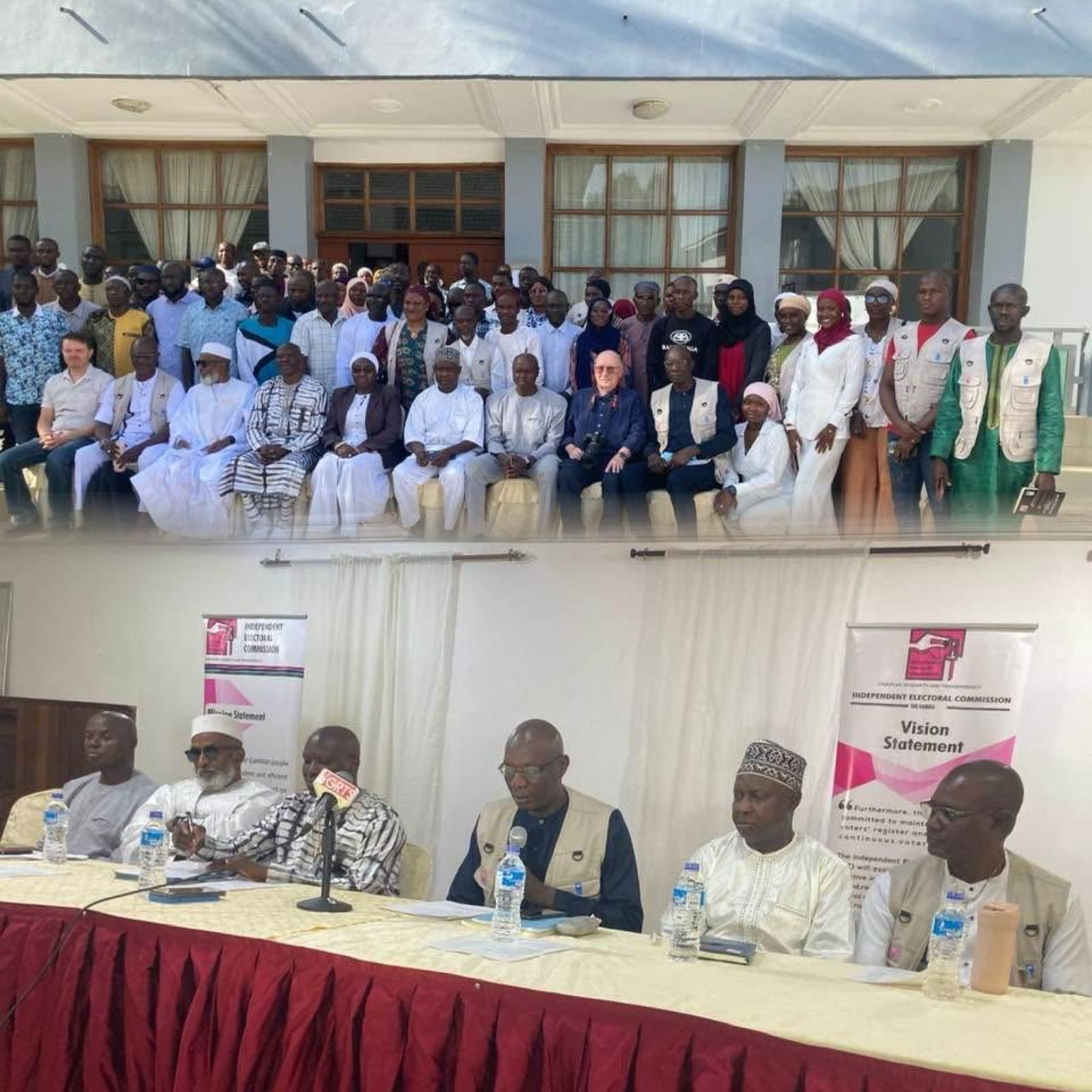
Colley gave the assurance while addressing preparations for the supplementary voter registration exercise and the planned digitalisation of parts of the electoral process in an exclusive interview with The Alkamba Times on the sidelines of training sessions for election officials and IEC staff.
He emphasised that every major step in the electoral cycle will involve broad consultation and the endorsement of all relevant stakeholders to ensure transparency and inclusivity across the board.
This pledge comes as the IEC intensifies training for election officials ahead of the supplementary voter registration, scheduled from April 8 to May 21, 2026.
The Chairman also announced that the partial digitalisation of the electoral process will significantly enhance transparency, build public confidence, and enable faster transmission of election results to citizens and stakeholders.
Chairman Colley outlined plans to introduce digital tools ahead of the country’s crucial 2026 and 2027 elections. The presidential election is scheduled for December 5, 2026, followed by National Assembly polls in April 2027, and local government elections thereafter.
“Digitalisation of the election process will strengthen transparency and ensure fast transmission of election results to the general public and stakeholders alike,” Colley stated.
The IEC plans to pilot several digital initiatives before the forthcoming elections. These include the use of Geographic Information System (GIS) technology to map all polling stations across the country, the distribution of tablets to election supervisors for real-time data collection, and the installation of large television screens at collation centres to display results as they come in.
Colley explained that these measures will make it easier for election observers, journalists, and the general public to locate polling stations and access results quickly, thereby reducing suspicions of irregularities. The digital tools are particularly aimed at engaging the youthful population, who are more digitally literate and can benefit from real-time access to polling information and results via the GIS mapping system.
Importantly, the Chairman stressed that digitalisation will complement, rather than replace, the existing manual transmission of results from polling stations. “The digital space will expedite the transmission of results and allay the fears of naysayers who are always in doubt of results announced by the IEC,” he said. “Each result will be timely displayed on TV screens mounted at collation centres.”
The disclosure comes as the IEC ramps up preparations for the supplementary voter registration exercise, set to run from April 8 to May 21, 2026. Colley noted that training of election officials and staff is a critical component of these preparations, with 100 registration teams to be deployed nationwide.
“The core responsibility of voter registration teams will be to serve the Gambian electorates transparently in strict compliance with relevant legal enactments,” the Chairman emphasised.
Eligible Gambians who can participate include first-time registrants, those who missed the 2021 general registration, individuals who have turned 18 by December 5, 2026, and citizens who were abroad or otherwise unable to register earlier. Applicants will need valid identification such as a Gambian ID card, birth certificate, passport, or attestation from a Seyfo or Alkalo. Registration centres will operate daily from 8 a.m. to 5 p.m., including weekends and public holidays.
To replace a lost, damaged, or mutilated voter card, applicants must return to the same region where they originally registered. Similarly, those wishing to transfer their voter cards must do so at the regional office of their original registration area. Colley clarified that no fees will be charged for replacements or transfers.
He cautioned that registration in one region, such as the Kanifing Municipal Council (KMC) area, cannot be replaced or transferred to another region, like the West Coast Region.
The supplementary registration is designed to ensure broader inclusivity in the electoral roll ahead of the December 2026 presidential election and subsequent polls.
Chairman Colley concluded by assuring all Gambians of the IEC’s commitment to delivering free, fair, and transparent elections. He emphasised that every major step in the process will involve consultation and stakeholder endorsement to ensure transparency and inclusivity.
The planned digital enhancements and supplementary registration exercise represent key steps in modernising The Gambia’s electoral system while maintaining proven manual safeguards. Observers believe these initiatives could help address long-standing concerns about trust in the electoral process as the country prepares for a high-stakes presidential contest in December 2026.