By Alieu Ceesay
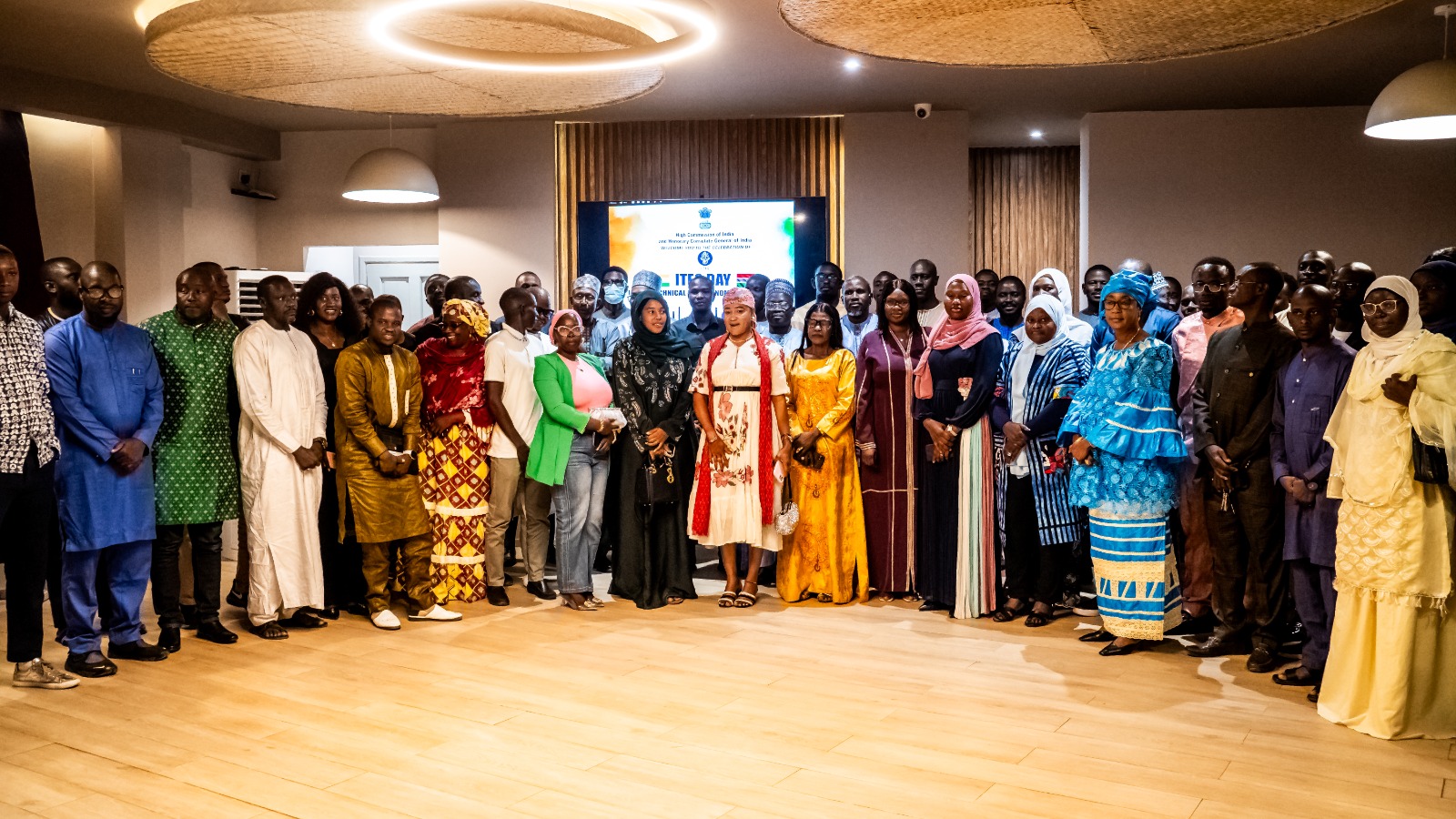
Former participants of India’s flagship Indian Technical and Economic Cooperation (ITEC) programme gathered with pride and nostalgia on Saturday evening at a popular Indian restaurant along the Bertil Harding Highway in Kololi, celebrating decades of knowledge exchange that have helped shape The Gambia’s human capital.
For many Gambians in attendance, the journey to India represented far more than an academic opportunity. From pioneering travellers in the 1990s to recent technical trainees, the alumni shared stories of personal transformation, professional growth, and cultural immersion that continue to influence their lives and careers back home.
Indian High Commissioner to The Gambia, Dinkar Asthana, delivered warm, welcoming remarks, framing the ITEC Day celebration as a vital platform for reconnection and reflection. “This day seeks to bring together ITEC scholars and allows us to interact with them and share their experience of India,” he said. He encouraged participants to reflect not only on their academic achievements but also on the broader cultural exposure they gained during their time in India.
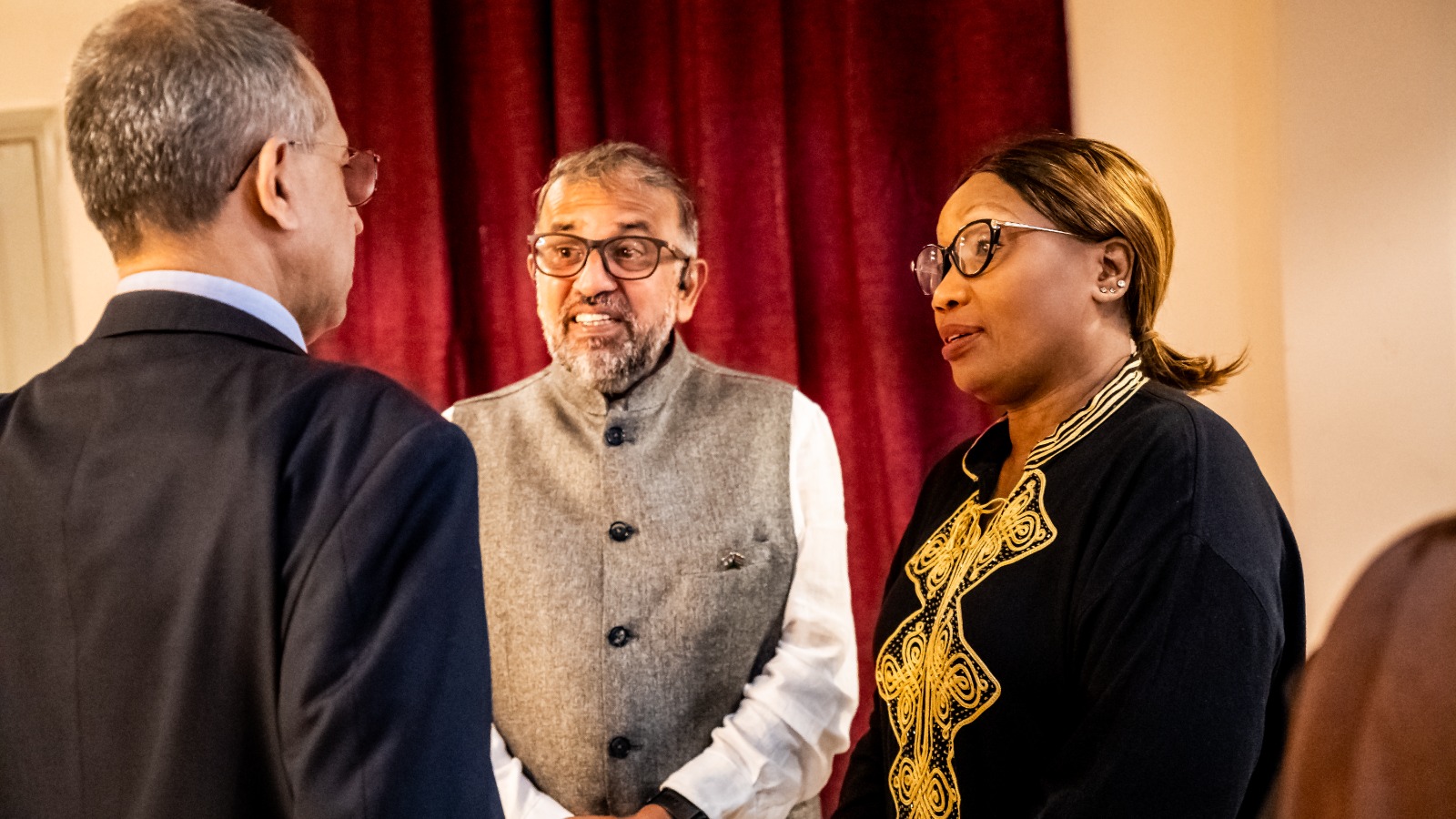
Asthana stressed that the relationship between India and The Gambia transcends traditional diplomacy. “India and The Gambia are natural partners and share common values of democracy as well as cultural and linguistic links,” he noted. He highlighted that India’s development cooperation is driven by the actual needs of partner countries, rather than conditional arrangements, fostering genuine and sustainable partnerships.
Speaking on behalf of the Gambian government, the permanent secretary at the Ministry of Foreign Affairs, Ambassador Lamin Yabu, himself a former ITEC student in India, offered deeply personal reflections. He described how his exposure to India fundamentally transformed his outlook and career trajectory. “Since then, India has impacted my life. Like many of you sitting here, the government and people of India have impacted a lot on our lives,” Yabu said, expressing profound gratitude for India’s consistent support in building capacity across multiple sectors.
“A country that helps you to develop your human capital has done everything for you,” he added emphatically.
Yabu pointed to India’s positive influence in key areas of The Gambia, including the diplomatic and security sectors, while underscoring the need for continued collaboration. “We can only say thank you to the government and people of India… but The Gambia still needs you, especially as we endeavour to develop the young people of this country,” he stated, directing a clear call for deeper engagement in youth skills development.
In a keynote address that resonated strongly with the audience, Minister of Higher Education, Research, Science and Technology, Dr. Pierre Gomez, praised the ITEC programme as a “quiet but powerful force” behind national progress. “This programme has, over decades, quietly but profoundly shaped the human capital of nations such as ours,” Dr. Gomez observed.
He described the evening’s gathering as more than a ceremonial event, positioning it instead as a powerful symbol of mutual respect and shared ambition. “This evening is not merely ceremonial. It is a testament to partnership rooted in mutual respect, shared aspirations, and a common belief in the transformative power of knowledge,” the minister told the gathering.
Dr. Gomez urged both nations to strengthen ties in emerging sectors critical for The Gambia’s future in a fast-changing global economy. “For countries like The Gambia, the challenge is not only to keep pace, but to leapfrog. This is why partnerships such as ours with India are not optional—they are strategic imperatives,” he declared.
The minister specifically called on ITEC alumni to take on more prominent roles in driving national development, describing them as “the quiet architects of our national development.” He noted that alums return home equipped not only with technical certificates but with enhanced competencies and fresh perspectives capable of sparking innovation and meaningful change.
The well-attended event brought together senior government officials, diplomats, and ITEC alumni from various cohorts, all united by a deep appreciation for the programme’s lasting impact on individual lives and on national capacity-building.
As the celebrations drew to a close amid warm conversations and shared memories, the overarching message was unmistakable: the India-Gambia partnership, built on decades of knowledge transfer, cultural understanding, and mutual respect, remains a cornerstone for empowering future generations of Gambians through skills development and human capital enhancement.
The gathering served as both a heartfelt reunion and a forward-looking platform, reaffirming the strategic value of continued collaboration between the two nations to address The Gambia’s development priorities, particularly by equipping its youth with the skills needed to thrive in an increasingly competitive world.