By: Aja Beyai
In the sweltering heat of Banjul, frustration and desperation continue to grip survivors and families of the April 10-11, 2000 student massacre, as The Gambia marks 26 years since security forces brutally crushed peaceful protests, killing at least 14 people and wounding many others. The victims say the truth has been established twice—through investigations and the Truth, Reconciliation and Reparations Commission (TRRC)—yet justice and full reparations remain elusive.
The protests erupted after the death of student Ebrima Barry, allegedly tortured by paramilitary officers, and the rape of another student, Binta Manneh. Demonstrators demanding accountability for police brutality were met with tear gas and live ammunition. The crackdown, one of the first major displays of state violence under then-President Yahya Jammeh’s regime, left a deep scar on the nation. No perpetrators have faced prosecution for the killings, and many families received no compensation during Jammeh’s 22-year rule.
The TRRC, which documented widespread human rights abuses from 1994 to 2017, held Jammeh and senior officials responsible for the massacre and recommended prosecutions and reparations. A government white paper accepted many of these recommendations, and a Victims Reparations Act was later passed, leading to the establishment of a Reparations Commission. Some interim payments have been made to victims of Jammeh-era abuses, but survivors of the 2000 events say progress for their specific case has been painfully slow, with many receiving only partial or no compensation.
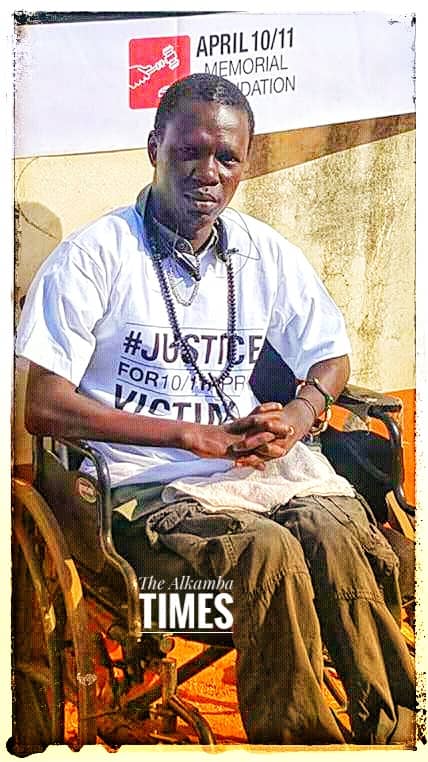
Yusupha Mbye, a survivor shot during the protests and now wheelchair-bound, serves as a prominent spokesperson for the victims. “We’re not asking for charity, we’re demanding justice,” Mbye said. “The government must take responsibility for the atrocities committed and provide full reparations to all victims.”
Recent government disclosures of financial assistance to some survivors of gender-based violence have fueled accusations of selective support. “Why are some victims receiving immediate financial assistance, while others, long recognized and verified, continue to wait?” Mbye questioned, highlighting concerns about fairness and transparency in aid distribution.
As the 26th anniversary approaches, victims and their families are intensifying calls for concrete action. They demand the immediate completion of outstanding reparations for April 10-11 victims, the publication of full transparency reports on recovered Jammeh assets, and a clear prosecution plan for those responsible. Additional demands include selecting a credible victim representative to oversee the second phase of Jammeh’s assets recovery, aligning all victim-support funds under a single national reparations framework, and ensuring victims are included in decision-making processes.
“The truth has been established twice. Justice must now be delivered,” the victims’ statement emphasizes.
The government’s handling of this long-standing crisis is seen as a critical test of its commitment to human rights, accountability, and reconciliation in post-Jammeh Gambia. With a Reparations Commission now operational and some payments underway, pressure is mounting for faster implementation and equitable treatment across all victim groups.
International observers continue to watch closely. Mbye urged: “It’s time for Gambia’s leadership to right the ship of justice and set the right precedent for our shared nation.”
For the survivors and families still living with physical and emotional scars, words and partial measures are no longer enough. After 26 years, they insist it is time for the government to move beyond promises and deliver tangible justice.