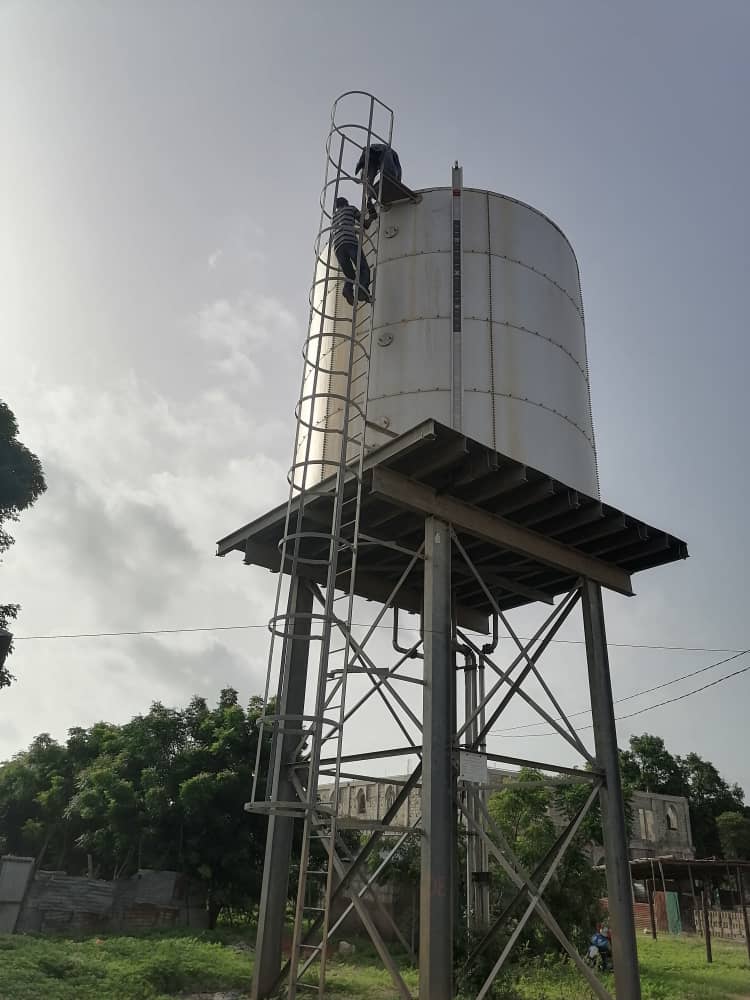
Residents of Fass Njagga Choi Village are grappling with a severe water crisis following the breakdown of their main Borehole, leaving the community without reliable access to clean, safe water.
The Borehole, which has served the village for more than 23 years, was constructed with support from the European Union and later handed over to the community for management and maintenance. Since then, residents have shouldered full responsibility for its upkeep with minimal government intervention.
Over the years, the solar-powered system has faced recurring technical issues, including faults in the solar panels, battery failures, inverter malfunctions, and other component breakdowns. Despite the community’s persistent efforts to repair the facility, the latest damage has exceeded their technical expertise and financial resources.
The crisis has severely disrupted daily life, threatening public health, sanitation, education, and livelihoods. Women and children, who traditionally bear the burden of fetching water, are particularly affected as they now struggle to find alternative sources, often of questionable quality.
Community leaders and residents are urgently appealing to the Gambian government and relevant authorities for immediate technical assistance and financial support to rehabilitate the Borehole and restore a sustainable water supply.
Speaking on behalf of the village, a female community leader said, “We have managed this Borehole for over 20 years with little support, but this crisis is beyond us. As a woman and a community leader, I am calling on the government to act now—clean water is not a favor, it is our right.”
Resident Baboucarr Nyang echoed the desperation: “When water stops flowing, everything stops—our health, our dignity, our future. We cannot wait any longer.”
Access to clean water is recognized internationally as a basic human right. Without swift intervention, the prolonged water shortage risks triggering outbreaks of waterborne diseases and further straining the already vulnerable community in the North Bank Region.