On the 26th anniversary of the tragic student protests of April 10 and 11, 2000, a coalition of prominent Gambian civil society organizations has issued a joint statement urging the government to accelerate justice and reparations for victims of the deadly crackdown.
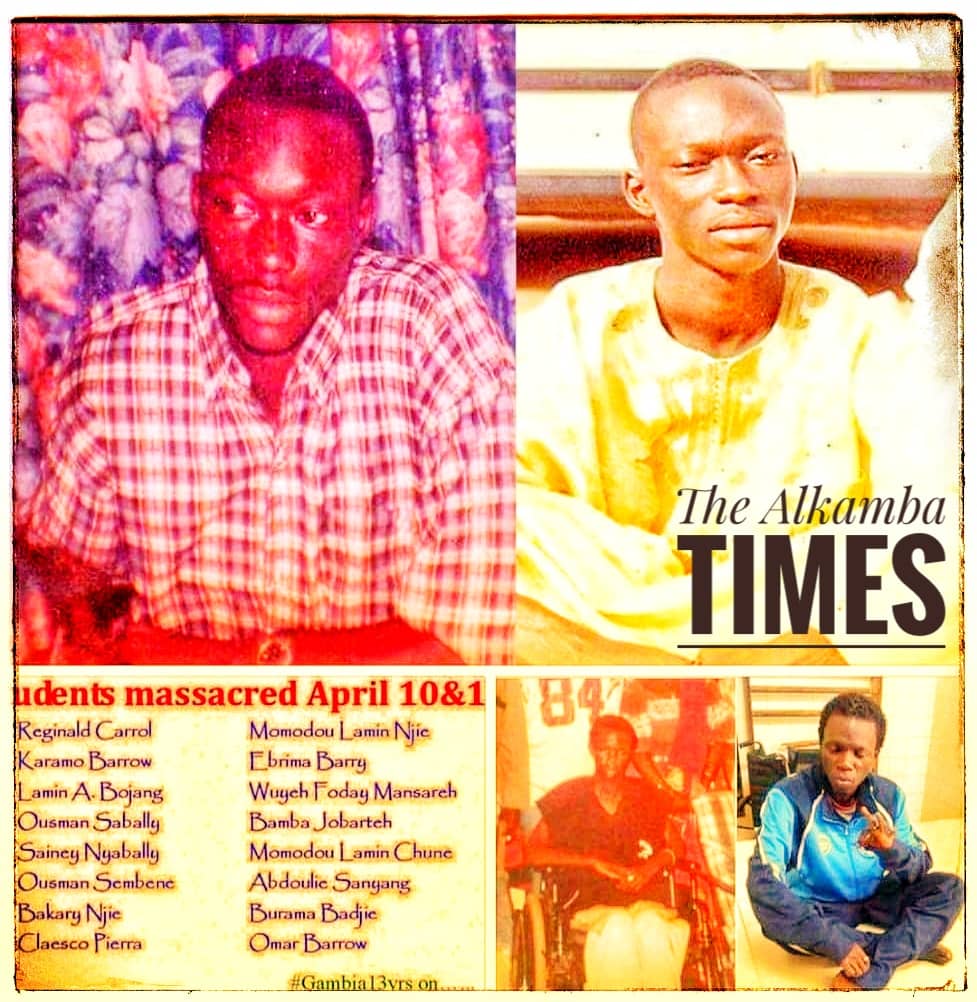
The groups—Fantanka, Gambians Against Looted Assets (GALA), Edward Francis Small Centre for Rights and Justice, WAVE, and Activista/Team Gom Sa Bopa—joined the nation in solemn remembrance of the events that claimed the lives of at least 14 students and injured dozens more during peaceful demonstrations against the authoritarian regime of former President Yahya Jammeh.
The protests were sparked by widespread grievances, including the alleged rape of a female student—an act of sexual and gender-based violence (SGBV) that the statement says “killed her potential” and must not be erased from collective memory. The coalition described the killings as emblematic of a broader system of repression that silenced dissent and violated fundamental rights under Jammeh’s rule.
“Twenty-six years on, we honor the memory of the students who lost their lives and those who were injured while peacefully protesting for accountability, dignity, and the rule of law,” the statement read. “Their courage continues to motivate a generation committed to building a more just, accountable, and democratic Gambia.”
The organizations stressed that remembrance must translate into concrete action. They highlighted the Truth, Reconciliation and Reparations Commission (TRRC) recommendations accepted by the government in May 2022 concerning the student demonstrations and freedom of assembly. Of approximately 20 recommendations, only one—procurement of police equipment for handling demonstrations—has been implemented.
Particularly concerning is the slow progress on reparations. While the government established a Reparations Commission and invested around D20 million in late 2025, the Janneh Commission had earlier recovered over D1 billion in assets allegedly looted by Jammeh. Critics argue these funds were spent without adequately supporting victims.
The statement also called for urgent medical attention for victims still suffering health complications from the crackdown, some of whom required treatment abroad during the TRRC hearings. It demanded a comprehensive health assessment and full reparations for all victims before the 2027 commemoration.
Among key demands is the memorialization of the massacre. The coalition urged the Ministries of Basic and Secondary Education and Higher Education, Research, and Technology to work with victims on plans for April 2027, including possible renaming of the Westfield monument. It further called for the establishment of a student complaints mechanism to prevent future violations.
The groups issued a five-point call to the government to expedite the full and transparent implementation of TRRC recommendations, ensure accountability for perpetrators through credible, victim-centered justice processes, provide timely and adequate reparations to victims and their families, strengthen institutional safeguards to prevent recurrence, and promote civic education and youth engagement in democratic governance.
Addressing the families of the victims, the statement offered solidarity: “Your pain is national, and your demand for justice is a collective responsibility.”