By: Momodou S. Gagigo
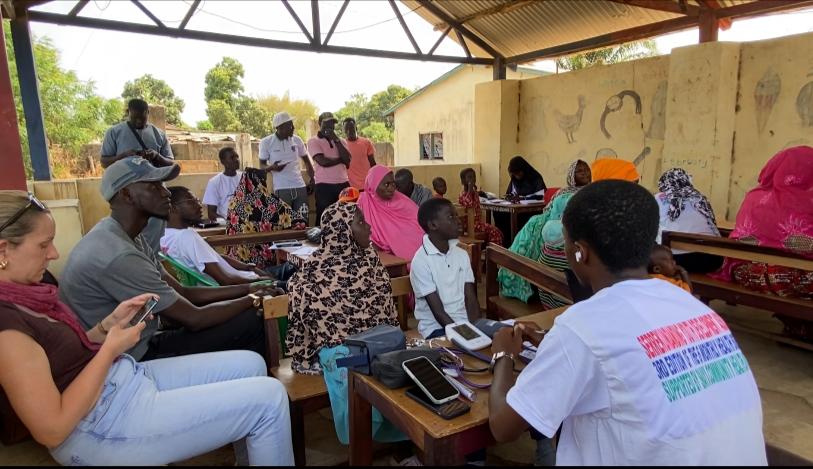
Hundreds of residents from the pre-urban Gambian village of Serekundanding flocked to a one-day free health screening event, dramatically exposing the community’s dire lack of access to basic Healthcare and amplifying urgent calls for government intervention.
The initiative, jointly organized by the Serekundanding Youth Development Association (SYDA) and Community Health Screening and Education, provided general medical check-ups, eye care services, and health education sessions. Organizers expected modest attendance, but the overwhelming turnout quickly overwhelmed the small team of volunteers and medical personnel, turning the event into a stark illustration of long-standing healthcare deficiencies in the area.
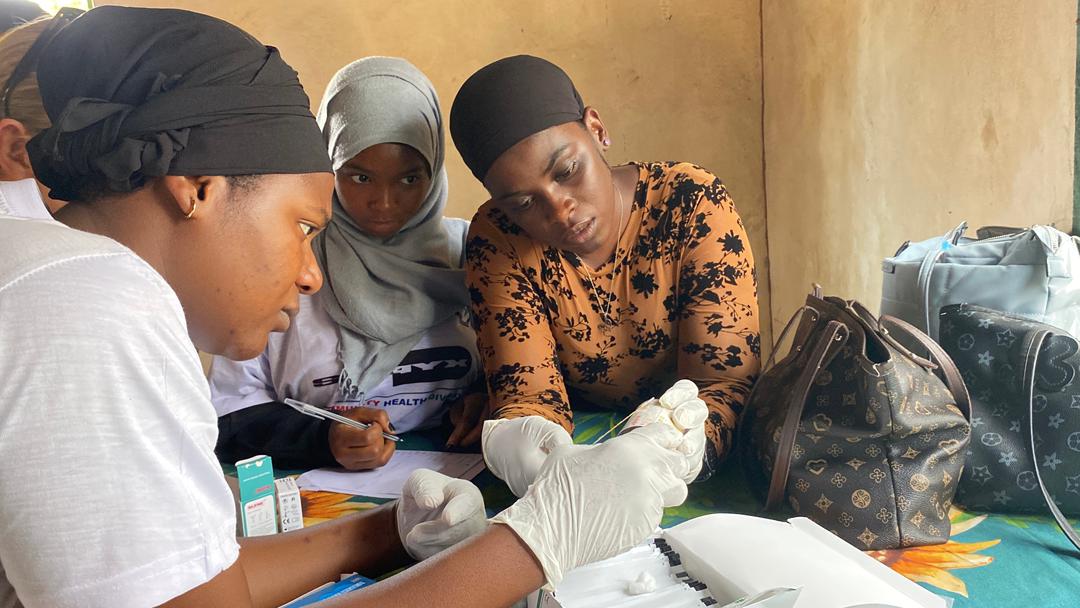
“This turnout clearly shows how desperate the situation is,” said Sulayman Camara, a registered ophthalmic nurse who participated in the exercise. “We were stretched beyond capacity, but we could not turn people away.”
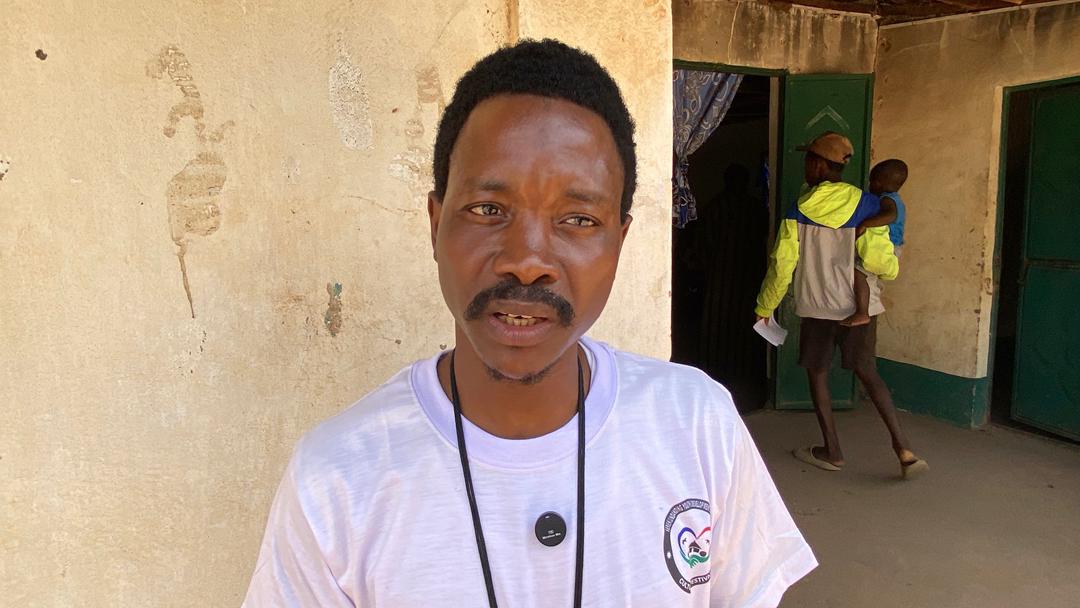
Serekundanding, like many rural communities in The Gambia, has no functional health facility. Residents must often travel long distances, often to Brikama or farther, to receive even routine medical care. The journey is not only expensive but also dangerous, particularly for pregnant women, the elderly, and individuals suffering from chronic illnesses. Many families delay treatment until conditions become critical, increasing the risk of complications and preventable deaths.
Community leaders seized the moment to voice deep frustrations.
Speaking on behalf of the village Alkalo, Musa Badjie highlighted the daily struggles: “Healthcare is expensive, and for us, even reaching a facility is a challenge. This is why this initiative means so much.”
The village Imam Essa Saidy echoed these concerns, pointing to the stark disparity between rural and urban areas. “Services like this should not be limited to places like Banjul,” he said, urging authorities to bridge the gap by establishing a permanent health post in Serekundanding.
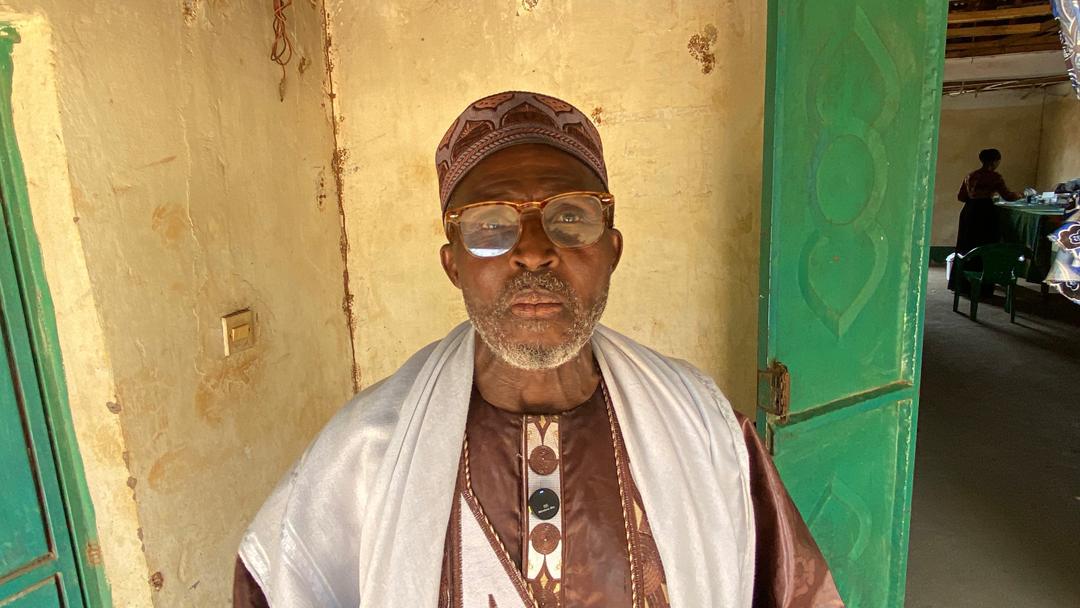
Logistical shortcomings were evident throughout the day. Limited space, insufficient equipment, and a shortage of medical staff placed immense pressure on the volunteers. Organizers described the situation as unsustainable, emphasizing that occasional outreach programs cannot replace a reliable local health system.
“We cannot rely on occasional outreach like this,” Camara stressed. “What this community needs is a functioning health post with proper staffing and equipment.”
For residents such as Binta Camara, the stakes are life-threatening. “In emergencies, especially during labor, getting to Brikama is a serious challenge. We need a health post here, and we need an ambulance,” she pleaded.
SYDA founder Omar Saidy, who spearheaded the initiative, called on the Ministry of Health and development partners to respond decisively. “This is bigger than us,” Saidy said. “We need support from the government and partners to ensure that people here can access healthcare without risking their lives.”
The screening exercise not only delivered immediate services but also fostered dialogue between health professionals and villagers, highlighting prevalent issues such as hypertension, eye problems, and maternal health risks.
As the event concluded, residents of Serekundanding made it clear they are no longer content with temporary fixes; they are demanding concrete, lasting solutions to a crisis that has been ignored for far too long.