By Sainabou Sambou
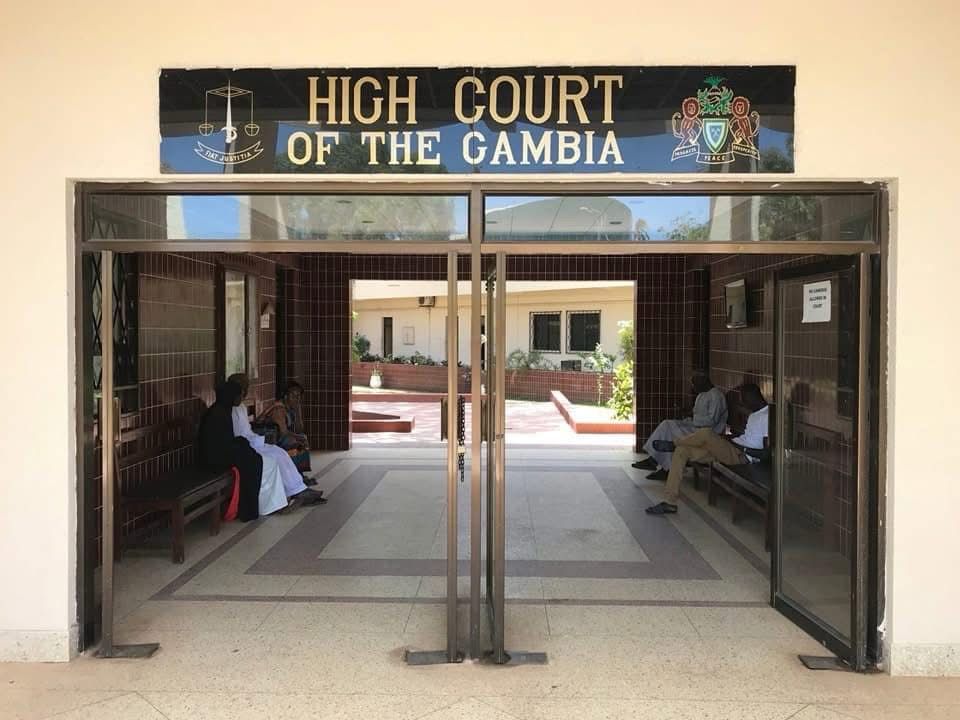
In a landmark ruling that reinforces workers’ rights, the High Court in Banjul has dismissed an appeal by Mansea Beach Hotel against a 2019 Industrial Tribunal judgment in favor of former chef Sainey Marenah.
Justice Ebrima Jaiteh delivered the decision on Thursday, fully upholding the Tribunal’s findings and ordering the hotel to pay substantial compensation to the aggrieved employee.
The dispute dates back to November 2015, when Marenah, who had worked as a chef at the popular coastal resort, was suspended after informing a hotel guest that chicken was unavailable on the menu. The Kanifing Industrial Tribunal, in its judgment delivered on 2 May 2019, ruled that the suspension was unlawful and violated provisions of The Gambia’s Labor Act, particularly the legal limits on suspension pending investigation. The Tribunal awarded Marenah significant remedies, including unpaid salaries, compensation for personal belongings, and continued salary payments.
Mansea Beach Hotel challenged the Tribunal’s decision, arguing that the trial magistrate failed to analyze the evidence properly, wrongly placed the burden of proof, and reached a verdict against the weight of the evidence. The hotel further claimed it was denied a fair hearing because it allegedly did not receive hearing notices for key sittings on 21 February 2019 and 12 March 2019.
Delivering his well-reasoned judgment, Justice Ebrima Jaiteh rejected the hotel’s arguments point by point. He affirmed that the Industrial Tribunal conducted its proceedings in substantial compliance with Section 24 of the 1997 Constitution, which guarantees the right to a fair hearing.
“The record clearly shows that the Appellant was served on several occasions but repeatedly failed to attend the proceedings,” Justice Jaiteh stated. “The Appellant was given sufficient opportunity to participate but failed to avail itself of those opportunities.”
The judge acknowledged minor imperfections in the recording of service for certain dates, but emphasized that these did not amount to substantial injustice or invalidate the entire proceedings. He dismissed claims that the Tribunal merely entered judgment because the hotel’s case went unchallenged, noting that Marenah presented credible oral testimony and documentary evidence, including his employment contract, salary increment letter, and suspension letter.
Justice Jaiteh highlighted that the hotel neither cross-examined Marenah nor presented any defense evidence. “The Tribunal’s findings were supported by credible, uncontroverted evidence and cannot be said to be against the weight of the evidence,” he declared.
The High Court upheld all awards granted by the Industrial Tribunal. These include D41,250 for five and a half months’ unpaid salary, D51,600 for the value of Marenah’s personal belongings, and continued payment of his monthly salary of D7,500 from November 2015 until the date of judgment. The court also confirmed the awards of interest and D40,000 in legal costs.
Additionally, Justice Jaiteh ordered Mansea Beach Hotel to pay D25,000 in costs for the failed appeal. He ruled that the appeal lacked merit and confirmed Marenah’s right to enforce the judgment according to law.
“The appeal fails in its entirety and is hereby dismissed,” Justice Jaiteh concluded.
The ruling is seen as a significant victory for labor rights in The Gambia, sending a strong message to employers about the consequences of unfair labor practices and the importance of respecting due process in industrial disputes. Legal observers note that the decision underscores the judiciary’s commitment to protecting vulnerable workers against powerful institutions.
Sainey Marenah, who has waited years for justice, can now proceed to enforce the judgment. Mansea Beach Hotel has not yet indicated whether it intends to pursue further appeals.