By Fatou Dahaba
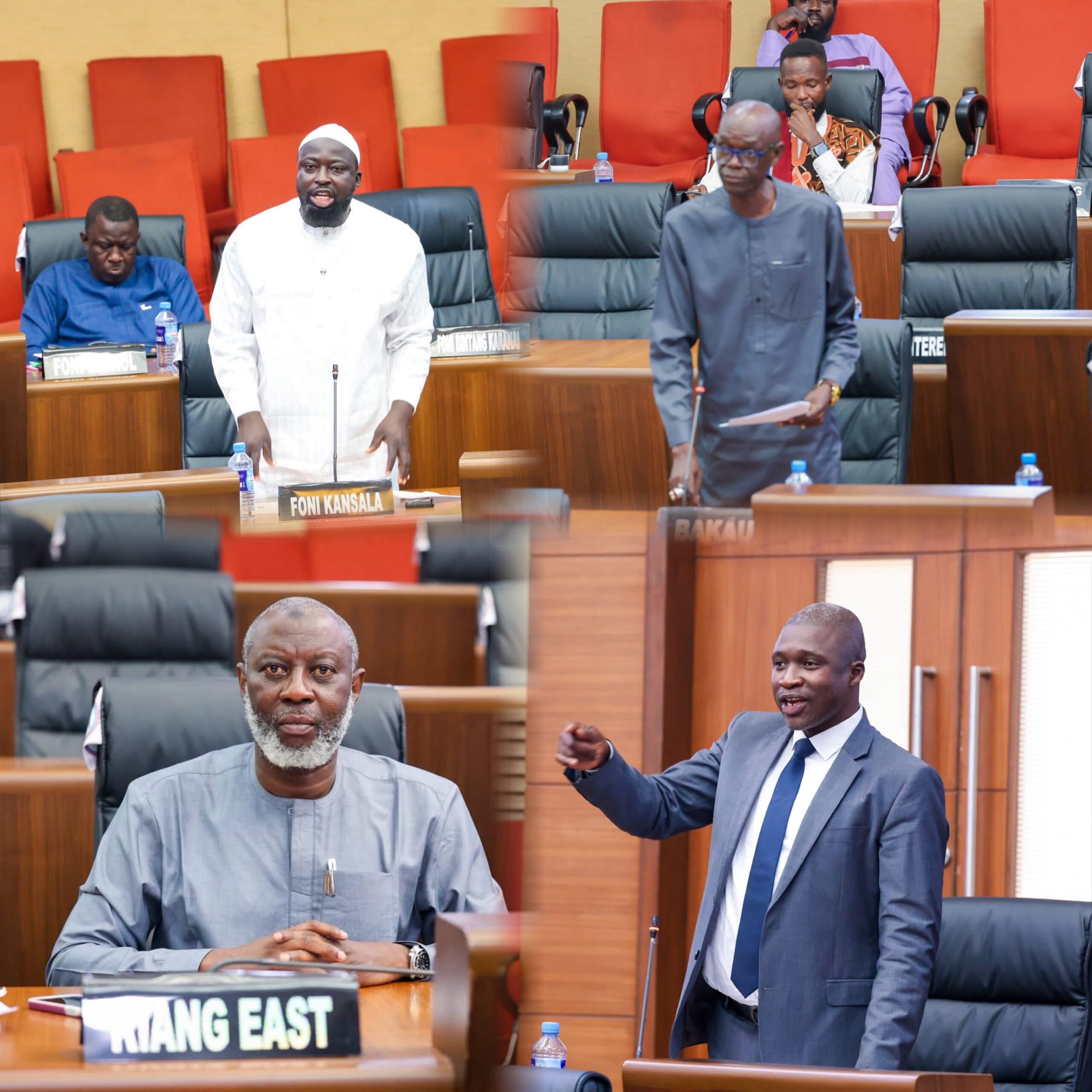
Hon Almameh Gibba, Member of Parliament for Foni Kansala, has sparked intense debate in the National Assembly by calling for the immediate reintroduction of the death penalty for murder cases, citing a disturbing rise in homicides and violent crimes that has left citizens living in fear.
Speaking on Thursday during a heated session on a matter of urgent public importance, Gibba argued that current measures are insufficient to deter the wave of killings sweeping the country. “A tougher response is needed,” he declared, emphasizing that the reintroduction of capital punishment would serve as a strong deterrent against the escalating violence threatening national security. He also highlighted chronic underfunding in the security sector and pushed for robust new laws to strengthen security institutions and tighten border controls.
The debate was triggered by a formal request from Hon Yaya Gassama, Member for Kiang East, who invoked Order 51 of the Standing Orders to address the issue. Gassama painted a grim picture of the current security landscape, noting that recent spikes in killings and brutal attacks have generated widespread anxiety among Gambians.
“The right to life is guaranteed under the 1997 Constitution,” Gassama reminded the Assembly. “The State has a solemn duty to ensure that citizens and residents can live in peace and security.” He acknowledged that no society is completely crime-free but warned that the frequency and brutality of recent violent incidents are deeply troubling for a nation historically celebrated for its peace and stability.
Gassama stressed the broader ripple effects of violent crime: shattered families, traumatized communities, eroded public confidence in law enforcement, weakened social cohesion, disrupted economic activity, and damage to the country’s international reputation. He advocated for enhanced community policing, better intelligence gathering, and stronger collaboration between security agencies and local populations. Crucially, he insisted that all efforts must remain firmly within the bounds of the law and respect human rights and due process.
Several lawmakers offered varied perspectives during the wide-ranging discussion. Hon Yaya Menteng Sanyang, Member for Latrikunda Sabiji, described the surge in killings as “troubling” but cautioned against relying solely on security sector reforms. He identified multiple root causes, including youth unemployment, rampant substance abuse, mental health issues, porous borders, land disputes, and ineffective community policing.
Sanyang urged the government to prioritize job creation for young people, implement stricter controls on drugs, resolve land conflicts swiftly, and increase visible police presence in vulnerable communities.
Hon Sulayman Saho, Member for Central Badibu, maintained that comprehensive security sector reform is indispensable. He placed primary responsibility on the government for safeguarding lives and property and questioned whether the police are adequately equipped and resourced. Saho called on the relevant National Assembly committee to launch a thorough investigation into the recent killings and present its findings to Parliament.
Hon Assan Touray, Member for Bakau, expressed alarm at the growing number of violent attacks and appealed to the highest levels of government to treat security concerns with greater urgency and seriousness.
Nominated member Kebba Lang Fofana described the debate as timely, particularly following several high-profile killings that have shocked the public. While recognizing the State’s central role, he emphasized that security is a shared responsibility. “It begins with individuals and communities,” Fofana said. He called for a fundamental change in attitudes and urged traditional leaders, elders, and religious figures to play more active roles in promoting peace, mediating disputes, and fostering social harmony.
The National Assembly debate reflects mounting public pressure on authorities to restore safety in The Gambia, a country that once prided itself as one of West Africa’s most stable democracies. Recent incidents have fueled fears that unchecked violence could undermine the nation’s hard-won peace and economic progress.