By: Fatou Dahaba
Civil society advocates and human rights commissioners are intensifying calls for the National Assembly to pass the Draft Constitution Amendment Bill 2026, which would introduce 14 reserved seats for women – two from each administrative region – to address chronic underrepresentation in Parliament ahead of the next elections.
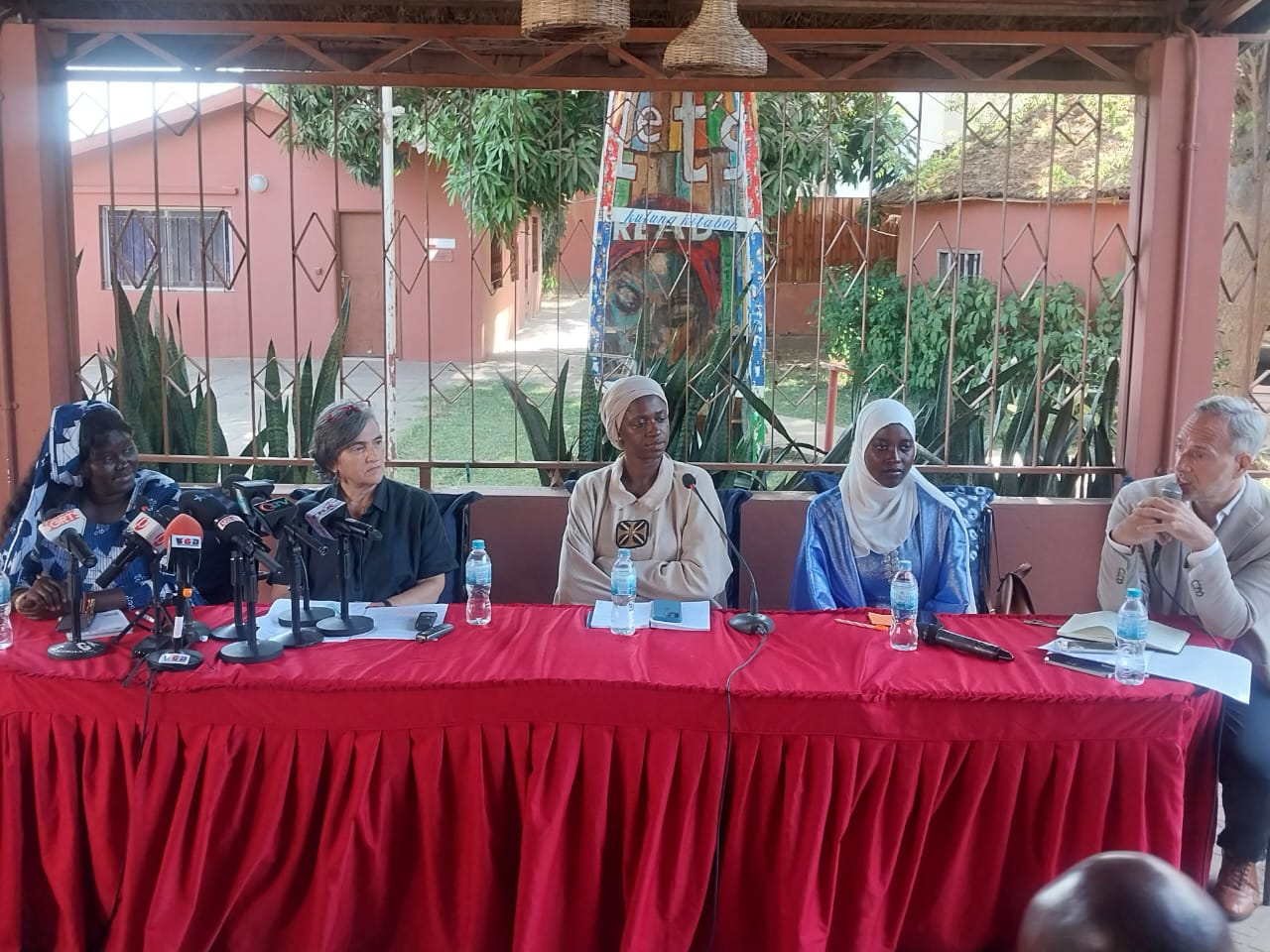
Halima Dibba, Commissioner at the National Human Rights Commission, delivered a strong message during a recent EU sponsored roundtable discussion “We cannot talk about democratic consolidation if we have such disparities and such pre-decision-making,” she said, stressing that genuine democracy requires inclusive participation at all levels
Dibba highlighted the urgency of the bill, noting that no new laws can be enacted within six months of elections. “It’s crucial that we be transparent with the bill; time is of the essence,” she warned. She argued that Gambian women’s competence is beyond question and must be guaranteed through structural measures. Despite existing laws permitting women to contest seats, their presence remains alarmingly low – fewer than 10 percent in both Parliament and Cabinet – a gap she said undermines the country’s democratic progress.
The commissioner urged political parties to nominate more women actively and called for protective legislation to create a safer political environment. “We need to make the space safer for women,” Dibba stated, emphasizing that barriers such as harassment and lack of support continue to discourage female participation.
Deggen Jobe, President of the Women in Leadership and Political Participation and coordinator for the CSO Gender Platform, expressed cautious optimism that the bill could succeed, crediting the groundwork already laid by Parliament’s General Committee. The proposal would create 14 women-only seats, contested exclusively by female candidates, but open to all eligible Gambians holding voter cards. Women would remain free to compete for the existing 53 constituency seats as well.
Jobe drew on insights from a 2024 study trip to Kenya, where successful strategies for boosting women’s representation were examined.
Acknowledging potential resistance to permanent quotas, Jobe proposed a pragmatic compromise: implementing the system on a trial basis for 15 years to evaluate its impact. “This can serve as a foundational step for ensuring greater participation of women in Gambian politics,” Jobe said, calling for collaboration among political parties, civil society organizations, and the public to foster a more supportive ecosystem.
Jabou Sisawo, Speaker of the National Youth Parliament, added her voice in support. “The passage of this bill is a step in the right direction,” she declared. Noting that women constitute the majority of Gambia’s population and electorate, Sisawo argued that elected bodies must reflect the demographics they serve. “With women’s backing being crucial for electoral success, ensuring higher representation in Parliament will lead to a more inclusive and representative political landscape.”
Participants at the discussions underscored a global reality: despite women making up over 50 percent of the population and voters in many countries, including The Gambia, they remain significantly underrepresented in decision-making roles. Gender quotas, they maintained, are a proven tool for leveling the playing field and accelerating progress toward genuine equality.
The amendment also includes provisions for two reserved seats for persons with disabilities, signaling a broader push for inclusive governance. With the legislative year underway, advocates are pressing lawmakers to act decisively, warning that further delays risk perpetuating historical imbalances that have persisted since independence.
Supporters believe the bill, if passed in time, could mark a transformative moment for Gambian democracy – one that finally translates women’s numerical strength in the electorate into meaningful political power. Civil society groups have pledged to continue mobilizing to build public and parliamentary consensus.