By: Kebba Ansu Manneh
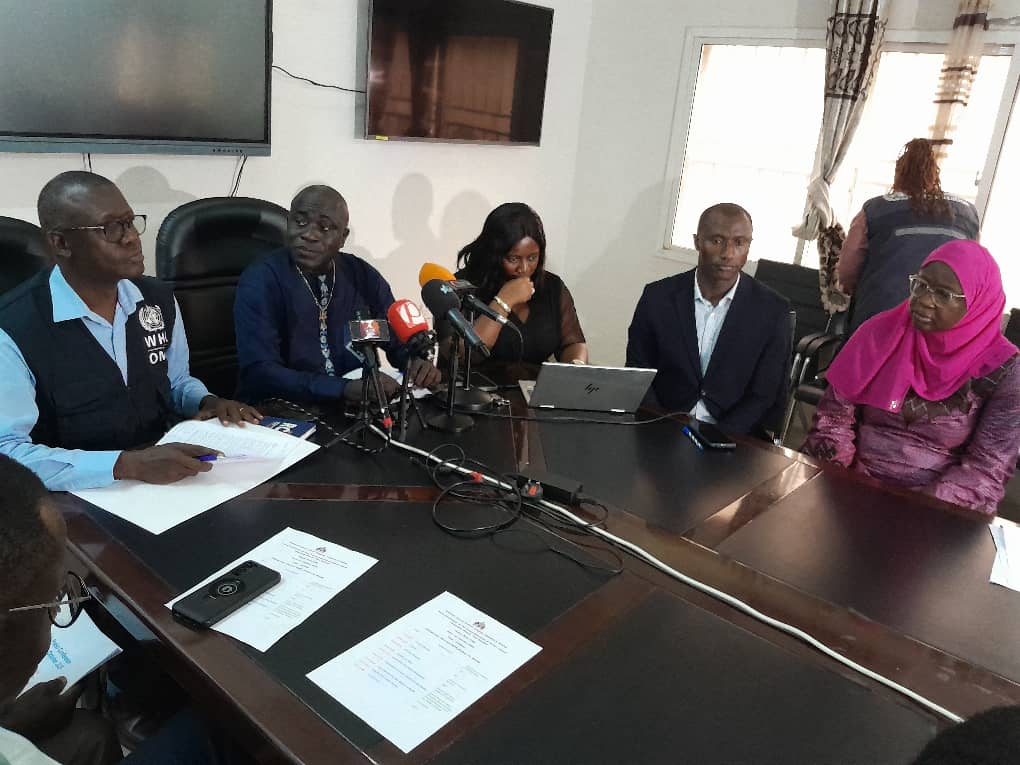
Breast cancer has emerged as the second most prevalent cancer among Gambian women, with a disturbing surge in cases among those under 50, according to health experts speaking at a press conference marking the start of Breast Cancer Awareness Month, or “Pink October.”
Dr. Kebba S. Bojang, Program Manager of the National Cancer Control Programme (NCCP), revealed that up to 71% of breast cancer diagnoses in The Gambia now occur in younger women. This trend underscores the need for immediate action. “In 2022, its incidence rate was 15%, with a mortality rate exceeding 50% among diagnosed patients,” Dr. Bojang said at the event held at the Central Medical Stores. “Notwithstanding, breast cancer is curable when caught early—the earlier the stage, the better the chance of survival.”
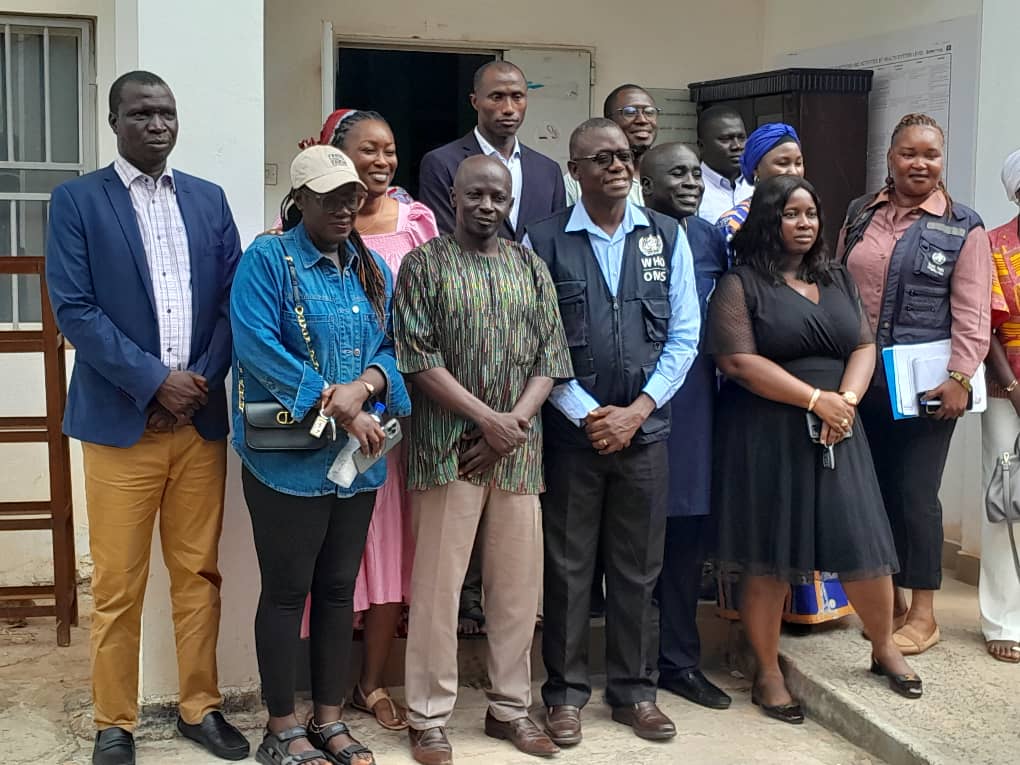
He emphasized that early detection through routine screening could boost cure rates to 97-100%, dramatically improving outcomes. Tools for this include self-breast examinations, clinical breast exams, mammograms, and ultrasound scans (also known as USS). The NCCP, in partnership with stakeholders and funded by the Sahel Women’s Empowerment and Demographic Dividend (SWEDD) project, has rolled out a National Breast Cancer Control Guideline. This comprehensive framework, informed by the National Cancer Control Strategy and supported by the World Health Organization (WHO), covers prevention, screening, diagnosis, and treatment.
A cornerstone of the guidelines is the “Provider-Initiated Clinical Breast Examination” (PICBE), which mandates offering exams to all women visiting health facilities, particularly those attending reproductive health clinics. Dr. Bojang highlighted the value of integrating services: “Combining cervical and breast cancer screenings in a single visit, or linking them with HPV vaccination or HIV programs, enhances access, quality, and efficiency—especially in low- and middle-income countries like ours.” Such integrated care is already available at facilities like the Bansang Major Health Centre (BMCH).
Access to diagnostics is expanding, with mammograms offered at Edward Francis Small Teaching Hospital (EFSTH) and Bafrow Medical Centre and USS at multiple sites, including EFSTH and Kanifing General Hospital (KGH). Treatment options include chemotherapy at KGH and EFSTH, alongside limited surgical interventions. Yet, Dr. Bojang stressed the battle’s broader scope: “Fighting cancer is no easy feat—it’s beyond the Ministry of Health. All hands must be on deck, as factors for prevention and control span society.”
This year’s Pink October activities, coordinated by NCCP for the first time, include stakeholder outreach for shared planning. Globally, the campaign features educational seminars, awareness walks, fundraisers, and free screenings to foster early detection and research funding. Dr. Bojang cited stark worldwide figures: In 2022, 2.3 million women were diagnosed with breast cancer, resulting in 670,000 deaths—disproportionately in resource-poor settings. To address inequities, WHO launched the Global Breast Cancer Initiative (GBCI) in 2021, targeting a 2.5% annual reduction in mortality to save 2.5 million lives over two decades. Its pillars—health promotion for early detection, timely diagnosis, and comprehensive management—align closely with Gambia’s efforts.
Dr. Lamin Jaiteh of the Solace Foundation echoed these concerns, noting breast cancer trails only cervical cancer in prevalence here. “One in every eight women is affected—a situation we cannot ignore,” he said, voicing alarm over rising cases in young women who form “the core of our society: mothers, wives, and sisters.”
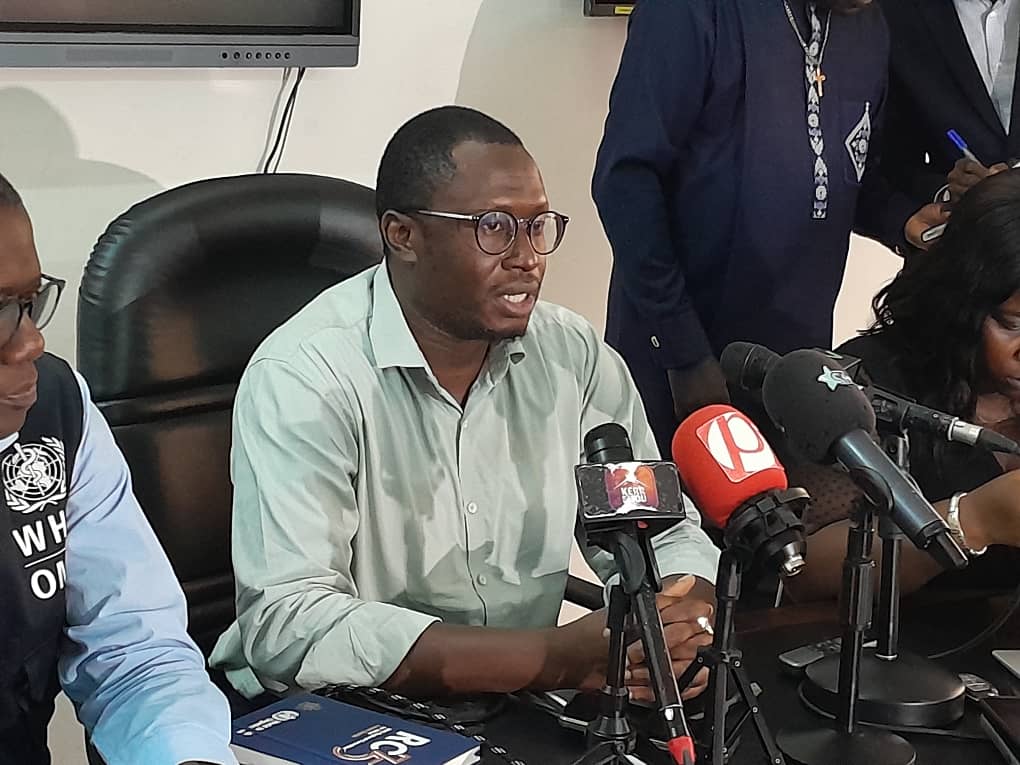
As a cancer surgery specialist, Dr. Jaiteh witnesses daily devastation amid competing health crises like tuberculosis, malaria, and HIV. “Breast cancer is equally important, if not more so. The best fight starts with awareness: early detection means high survival chances.”
He urged stronger collaboration among the Ministry of Health, the WHO, civil society organizations (CSOs), and partners. “We’re coming together as a nation to contain this disease,” Dr. Jaiteh said, calling on women—young mothers, grandmothers, sisters, and wives—to learn self-exams and recognize symptoms at home.
Other speakers, including Ida Ceesay of The Gambia Cancer League, Awa Sarr of the C3G Association, and Dr. Nathan Nsubuga Bakyaite Bachuta, WHO Country Representative, reinforced the message of unity and urgency. As Pink October unfolds, Gambian health leaders rally for a pink tide of prevention, reminding everyone that knowledge is the first defense against this silent threat.