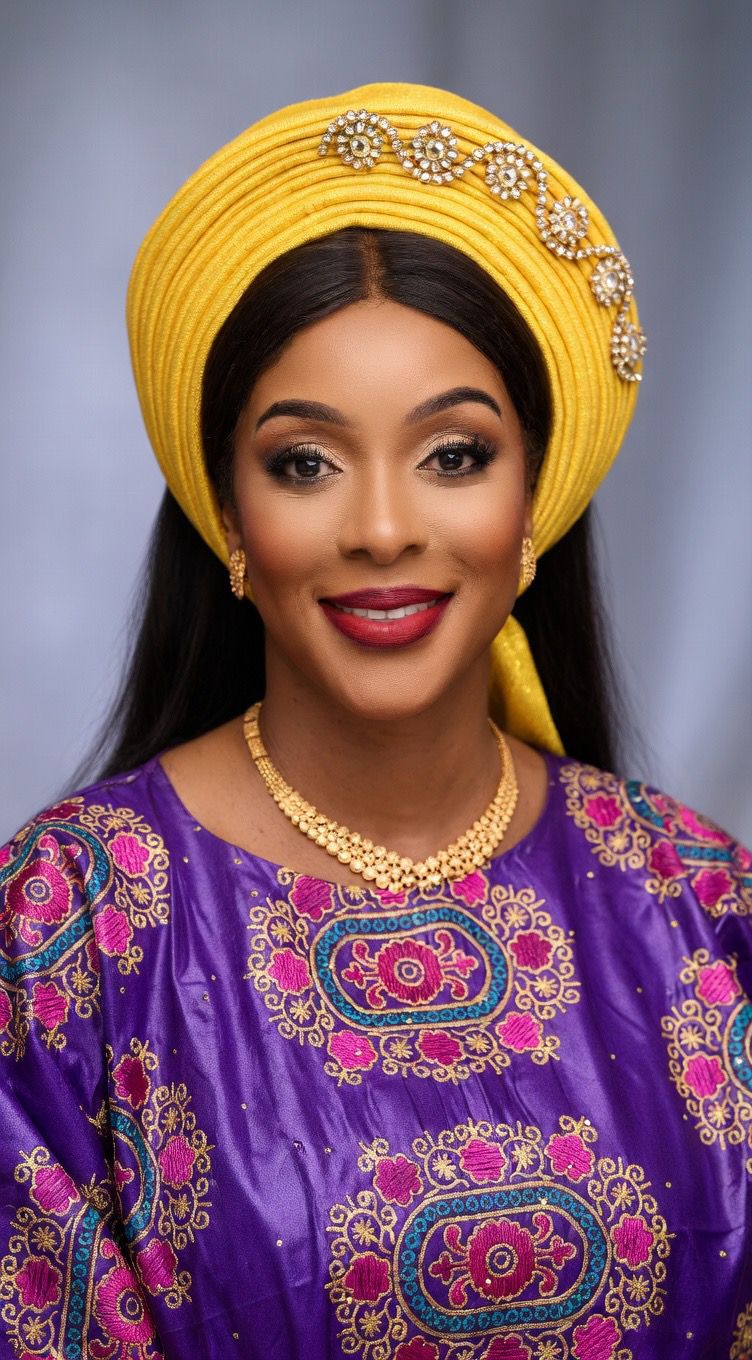
By: Dr. Mimi Fatou Ceesay, Journalist/ Psychologist
Polygamy was never originally about love; it was about survival. It developed in a time when women had limited rights, little access to education, and almost no economic independence. In many African societies, it served a functional purpose: labor was shared, lineage was preserved, and households were sustained. Emotional fulfillment was secondary, if considered at all. Many women remained in such systems not out of satisfaction, but because of economic dependence and social pressure (Oyěwùmí, 1997; Aina, 2012).
That world no longer exists
In the 21st Century, marriage has evolved into an emotional, psychological, and spiritual partnership. This shift has exposed a difficult truth: polygamy is fundamentally incompatible with modern expectations of love, stability, and emotional health. The contemporary African woman is educated, self-aware, and intentional about her peace and dignity. She understands that love should feel safe, not competitive, and that respect and emotional stability are essential. As African family systems shift from survival-based structures to meaning-based relationships, the limitations of polygamy become increasingly apparent (Nwoye, 2015). Polygamy is not failing because women have become difficult; it is failing because women have become aware.
The lived reality in polygamous marriages is far from the image often glorified. A significant number of women in these unions are unhappy, especially the first wife. She is typically the one who built with the man from the beginning, endured hardship, contributed to his growth, and helped establish the foundation of the home. Yet she is often the one most affected emotionally when additional wives are introduced. What began as a partnership becomes a quiet replacement.
Polygamy is often glorified by the second or last wives, women who enter later and celebrate the dynamics of competition. They may feel validated by the narrative of “he chose me,” but this comes from insecurity and woundedness. As The Wounded Warrior Energy notes, “Where love must compete, it eventually collapses into strategy, and manipulation, not intimacy.” Many of these women operate from what I call wounded warrior energy, taking satisfaction in another woman’s discomfort because they have unresolved issues of self-worth and insecurity. A healed woman, financially independent and emotionally aware, cannot be manipulated by such dynamics. She will choose peace and self-respect over participating in triangulation and performance.
Age gaps further complicate polygamy in modern times. Many men bring in younger, naive women, often decades apart in age. They believe that youth equals manageable; they can control, shape, or silence her, molding her into the woman they desire. This illusion of authority comes from insecurity and stagnation; a man who is a generation or two older than his wife rarely experiences genuine challenge or growth. He relies on age as leverage, ignoring that young 21st-century women are savvy, financially aware, and often emotionally independent. Many of these young wives maintain secret relationships, boyfriends, or networks outside the home, quietly using resources from the older husband to build a life with men they actually respect or desire. This inversion exposes the generational manipulation as both ineffective and hollow.
This dynamic also has serious consequences for children. An unbalanced mother cannot consistently raise emotionally stable children, and those children often internalize silent competition, conditional love, and emotional instability as normal. This perpetuates cycles of relational dysfunction (Mbatha, 2018).
There are also critical physical health risks. Polygamous sexual networks increase exposure to sexually transmitted infections (STDs), including HIV, and one partner’s risk affects everyone (WHO, 2023; CDC, 2022). Women in these arrangements experience higher rates of recurrent urinary tract infections (UTI) and related complications, making polygamy not only emotionally draining but physically risky (Flores-Mireles et al., 2015).
Polygamy is often framed as a symbol of wealth or status, yet financial provision cannot compensate for emotional scarcity. Money may sustain multiple households, but it does not create intimacy, trust, or security. Many women remain in these unions not out of fulfillment but because of financial dependence, children, or societal expectations (Oyěwùmí, 1997). What appears stable externally often conceals emotional abandonment internally.
It is also important to note that no emotionally secure, healed man would choose polygamy. A grounded man understands the importance of his wife’s emotional safety and the necessity of focus and presence in a relationship. He recognizes that love requires responsibility and consistency, not division and competition.
Most of these unhealed men who justify polygamy, often through religion, are hiding behind faith to cover a lack of ambition, direction, and discipline. These men frequently exploit women financially, targeting those with low self-esteem or resources. They are takers, moving from woman to woman, marrying or courting those they believe can provide status or money, not emotional connection. These men lack vision, ambition, and integrity, using women as leverage rather than life partners.
The consequences extend beyond the home and deeply affect leadership and national development. Consider an African leader in a polygamous marriage who is constantly managing conflict, jealousy, and divided attention. This domestic instability fragments his focus and energy, leaving him emotionally and psychologically depleted. He may make impulsive decisions, struggle to maintain long-term vision, or be unable to lead with clarity. An unhealed man at home produces unhealed policies and fragmented governance, and the nation suffers as a result. Family instability becomes societal instability when a man projects his unresolved emotional struggles onto institutions, decision-making, and leadership priorities. Leadership requires discipline, emotional balance, and clear focus, qualities that are undermined by polygamy when driven by desire, insecurity, or a lack of vision.
Polygamy also thrives on the illusion that more equals better. In reality, it often creates cycles of dissatisfaction, unrest, and distraction. A man may have multiple wives yet still feel empty, disconnected, and purposeless. True success is rooted in emotional depth, focus, and discipline, not accumulation. Strong families and strong nations are built on stability, not expansion.
In the modern world, polygamy does not represent strength; it reveals imbalance. Women who value their peace are no longer willing to share what should be whole. Healed women refuse competition, manipulation, and emotional triangulation; they choose self-respect and stability. Men who are healed are truly evolving, understand that leadership and love begin with discipline, responsibility, and emotional integrity, not unchecked desire. Children raised in these environments learn to feel secure, develop a sense of self-worth, and gain emotional clarity. The future does not belong to divided households; it belongs to individuals and families who are whole.
The Way Forward
Polygamy is not preserving culture it is perpetuating emotional imbalance.
Healing for men to develop discipline, vision, and emotional maturity.
Healing for women to protect their peace and uphold their worth.
Healing for families to model stability and emotional health.
Healed women will no longer compete for love. Healed men will no longer divide their energy. And
Healed families will raise emotionally secure children. The future does not belong to divided homes. It belongs to whole people.
References:
Aina, O. I. (2012). Gender relations and family systems in Africa. African Sociological Review, 16(2), 1–20.
Adeyemi, B. A. (2014). Polygamy, patriarchy, and the African family structure. Journal of Pan African Studies, 7(6), 110–125.
Mbatha, B. (2018). Marriage, masculinity, and emotional health in contemporary African societies. African Journal of Social Sciences, 8(3), 67–81.
Mbiti, J. S. (1969). African religions and philosophy. London, UK: Heinemann.
Nwoye, A. (2015). African psychology and the problems of development and social change. Journal of African Psychology, 3(1), 45–60.
Oyěwùmí, O. (1997). The invention of women: Making an African sense of Western gender discourses. Minneapolis, MN: University of Minnesota Press.
Flores-Mireles, A. L., Walker, J. N., Caparon, M., & Hultgren, S. J. (2015). Urinary tract infections: Epidemiology, mechanisms, and treatment options. Nature Reviews Microbiology, 13(5), 269–284.
World Health Organization (WHO). (2023). Sexually transmitted infections (STIs) and HIV: Key facts. Geneva: WHO.
Centers for Disease Control and Prevention (CDC). (2022). HIV and STD risk factors. Atlanta, GA: U.S. Department of Health and Human Services.
The Holy Bible, New International Version. (2011). Grand Rapids, MI: Zondervan.
The Qur’an (Saheeh International Translation). (1997). Jeddah, Saudi Arabia: Abul-Qasim Publishing House.