By: Alieu Ceesay
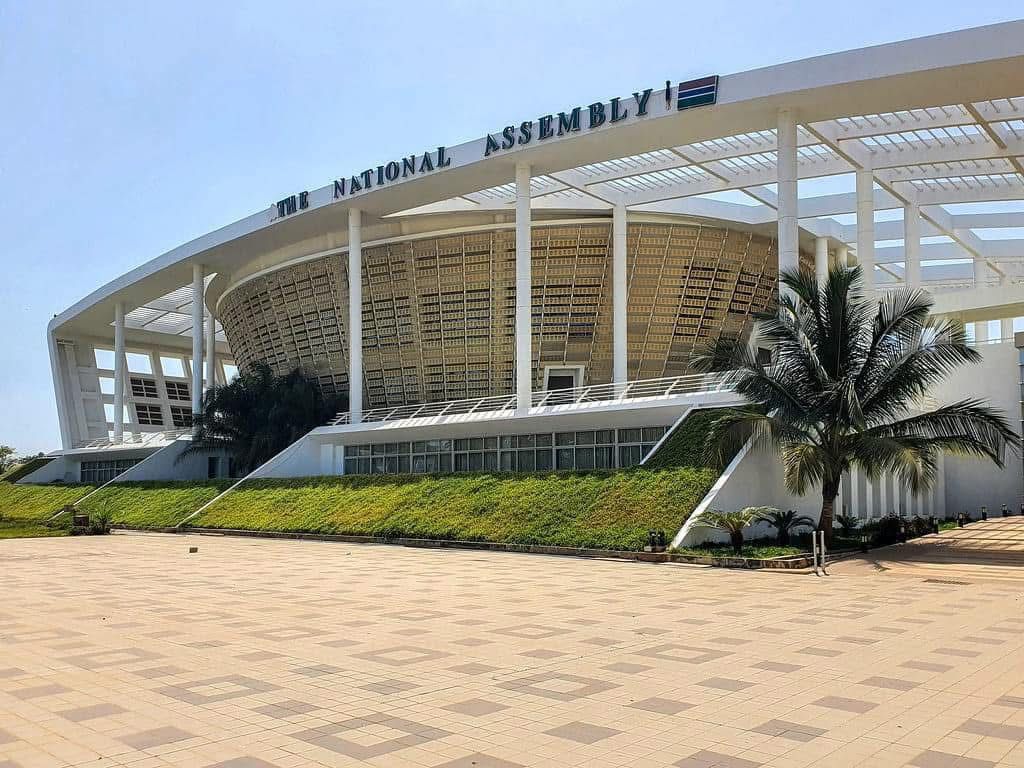
In a decisive step to bolster domestic agriculture and reduce reliance on food imports, The Gambia’s National Assembly has passed key amendments to the National Food Security Corporation Bill, 2025, which dramatically increase the state-owned entity’s capital base and introduce protections for local production.
The legislature approved an amendment doubling the National Food Security Corporation’s authorized capital from one billion dalasi (D1 billion) to two billion dalasi (D2 billion). The change, proposed by Nominated Member Hon. Kebba Lang Fofana, modifies Clause 5 of the Bill, which governs ownership and share structure.
Hon. Fofana argued during deliberations that the original plan—issuing two million shares at D500 each—would yield only D1 billion, insufficient for the Corporation’s operational needs, investments, and support for local farmers. By raising the share value to D1,000, the capital base expands to D2 billion, providing a stronger financial footing to advance the government’s agricultural priorities.
“GDC has faced liquidity challenges in the past. If the state is going to support it, we must do so meaningfully,” Hon. Fofana told the Assembly. He highlighted that enhanced capitalization would also allow the government to gain more from potential sales of up to 30 percent of shares to private investors, while enabling the Corporation—formerly known as the Gambia Groundnut Corporation (GGC) and now focused on food security, processing, and marketing—to better compete and invest in production.
The proposal garnered widespread support, including from the Member for Kiang West, and was adopted without significant opposition. Other core provisions of the Bill, detailing the Corporation’s objectives and functions in promoting food security and the processing and marketing of key agribusiness products, were reaffirmed.
In a complementary measure, lawmakers inserted a new Clause 33 under Part VI of the Bill, establishing a mandatory off-take arrangement for private importers. Proposed by Hon. Sainey Jawara, Member for Lower Saloum, and seconded by the Member for Lower Fulladu West, the clause requires importers of products similar to those produced or processed by the Corporation to source at least 10 percent of their imported quantities locally from the Corporation.
The amendment empowers the Minister of Agriculture to issue regulations detailing implementation procedures. Proponents described it as a vital safeguard against import competition undermining domestic output.
“This mandatory off-take arrangement ensures that imports do not sideline local production and strengthens the financial base of the Corporation,” one member stated during debate. Supporters emphasized benefits including guaranteed demand for Gambian-grown commodities, improved revenue for the Corporation, protection of local farmers, and progress toward national food self-sufficiency.
The Gambia remains a net food importer, particularly of staples like rice, amid challenges including climate vulnerability and limited production capacity. These legislative changes align with broader national goals under the Recovery-Focused National Development Plan (2023–2027) and efforts to modernize agriculture, reduce import bills, and enhance nutrition security.
The National Food Security Corporation is positioned to play a central role in processing, marketing, and stabilizing the supply of core products such as groundnuts and other crops. With increased capital and assured local purchases, the entity gains tools to scale operations, support farmers, and contribute to economic resilience.
The amended Bill now awaits presidential assent to become law, marking a significant policy shift toward import substitution and the empowerment of domestic agribusiness.