By: Kebba Ansu Manneh
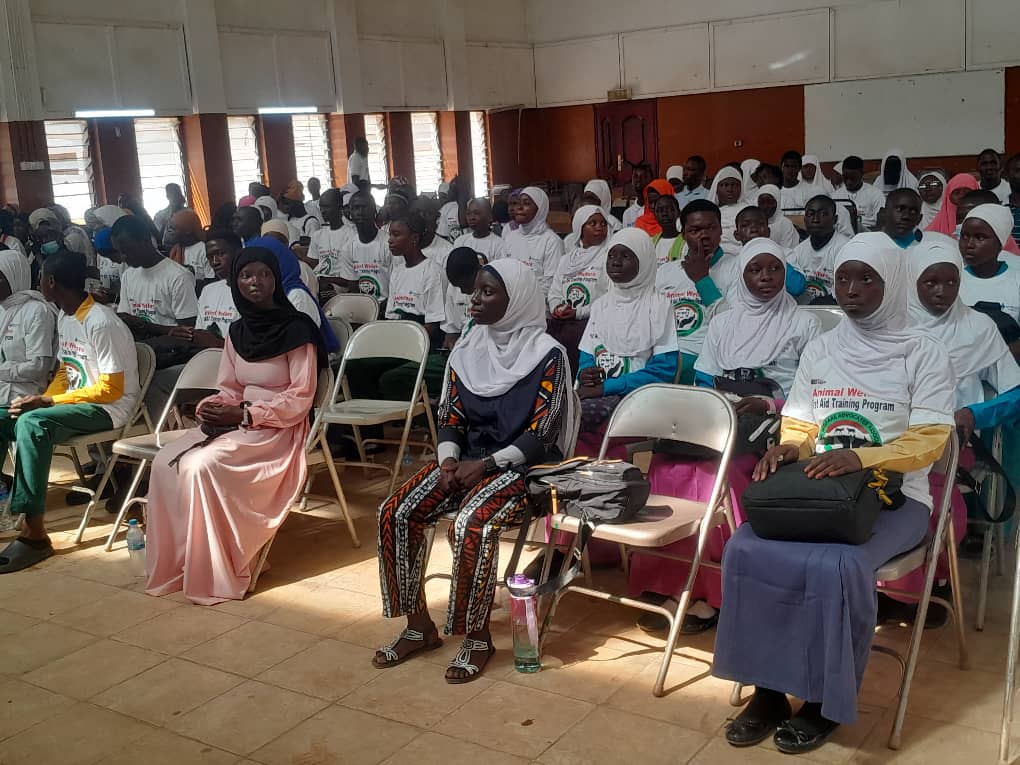
The Animal Welfare Advocates Association, The Gambia (AWAAG), has successfully concluded a two-day intensive training program on Animal First Aid, equipping 200 dedicated advocates with essential skills to respond to animal emergencies.
The initiative, held in collaboration with international and local partners, brought together participants from 28 Animal Welfare Clubs spanning all five regions of the country. The diverse group included students from the University of The Gambia (UTG) and Gambia College, highlighting a strong youth and educational focus in promoting animal welfare.
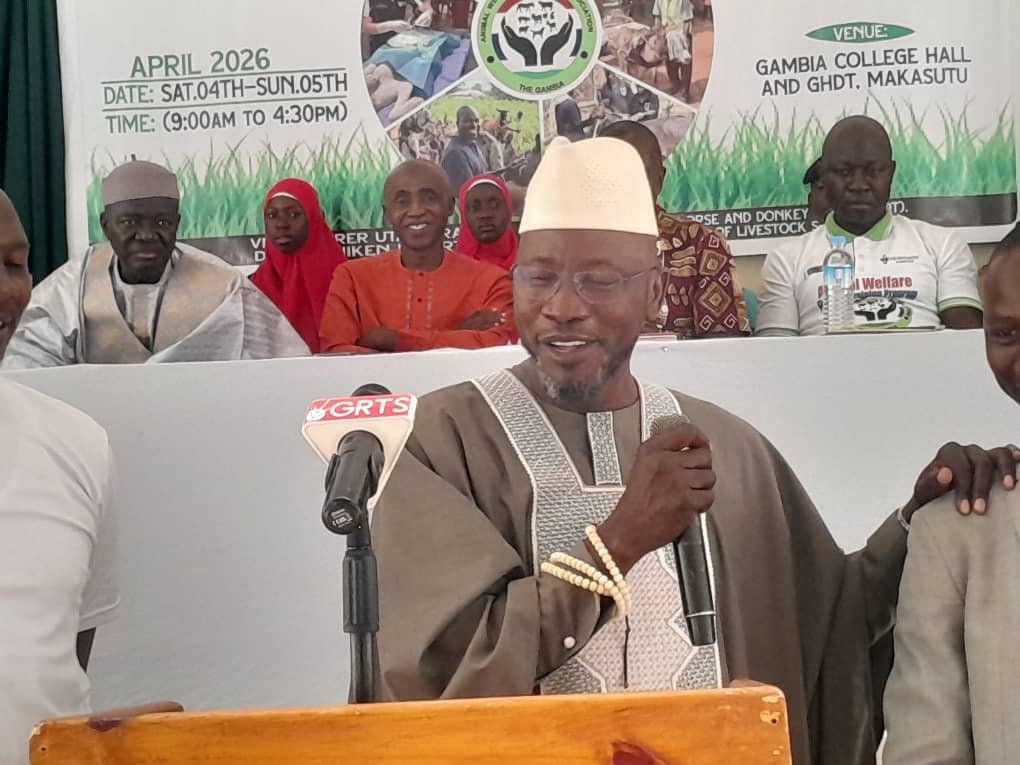
Organizers stated that the program was designed to bridge critical gaps in emergency animal care and frontline veterinary support, particularly in communities where professional veterinary services are limited or difficult to access. The training was made possible through strategic partnerships with Veterinarians Without Borders Sweden, Djurkliniken Norrtälje (Sweden), and the Gambia Horse and Donkey Trust (GHDT).
Bubacarr Jatta, the new President of AWAAG and a first-year Veterinary Science student at the University of The Gambia, expressed profound gratitude to all partners for their support. He emphasized the Association’s commitment to sustainability by rolling out scaled-down training sessions at the regional level.
“This will help save the lives of animals across the length and breadth of the country,” Jatta said.
Dr. Kebba Daffeh, President of the Gambia Veterinary Medical Association (GVMA) and lead resource person for the training, described the program as a significant step forward for the ‘One Health’ approach in The Gambia.
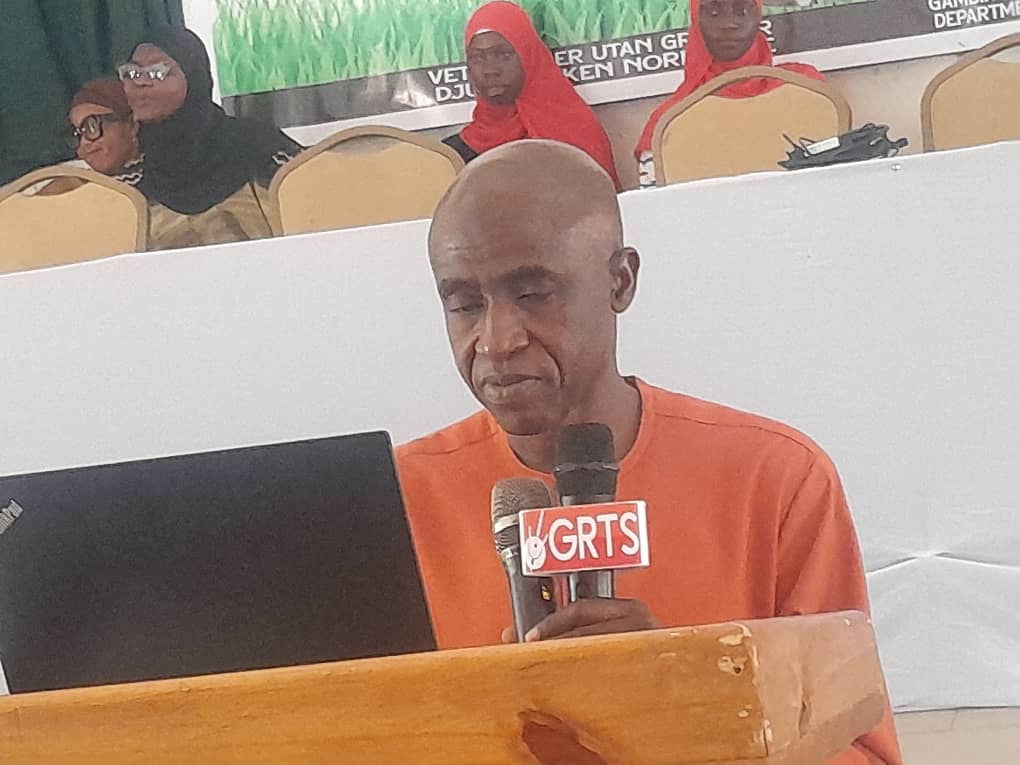
“By equipping 200 advocates with immediate first-aid skills, we are creating a vital safety net for animals in communities where veterinary services are often limited,” Dr. Daffeh stated.
He explained that animal first aid serves as a crucial bridge between the animal in distress and professional para-veterinary or veterinary care. Participants were trained on key topics, including life-saving techniques for dogs, donkeys, and ruminants. The sessions covered essential skills such as initial intervention in accidents and emergencies, proper handling of vulnerable animals, and stabilization before professional help arrives.
Dr. Daffeh stressed that while animal first aiders are not veterinary doctors and should not administer drugs, their role is critical in providing immediate care that can mean the difference between life and death.
“First aid is not a substitute for veterinary care, but it plays a vital part in saving animals’ lives before the arrival of trained veterinary officers,” he noted.
The training featured practical demonstrations and hands-on sessions, allowing participants to apply techniques in real-life scenarios. It concluded with a question-and-answer segment to reinforce learning and build confidence among the advocates for field application.
Prominent Gambian animal welfare advocates also addressed the gathering, underscoring the initiative’s importance and long-term benefits. Among the speakers were Dr. Buba Badjie, a Swedish-based Gambian veterinarian and regarded as the “Father of AWAAG,” Dr. Ernest Aubee (Honorary Member), Dr. Sheik Imam Hamma Jaiteh (Honorary Member), Dr. Jaliba Kuyateh (Ambassador of AWAAG), and Mr. Ousman Sowe, Head of the School of Agriculture at Gambia College.
Jatta called on all participants to approach the training with full commitment, describing the caliber of resource persons and leading advocates as a rare opportunity to gain valuable skills, knowledge, and understanding in animal first aid.
The program ended with the development of a strategy for sustainable advocacy and community outreach. Organizers expressed confidence that the newly acquired knowledge will translate into immediate and nationwide improvements in animal welfare standards across The Gambia.
This initiative marks a meaningful milestone in strengthening grassroots capacity for animal care and reinforces the interconnectedness of animal, human, and environmental health under the One Health framework.