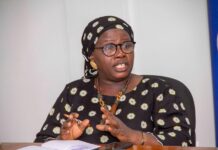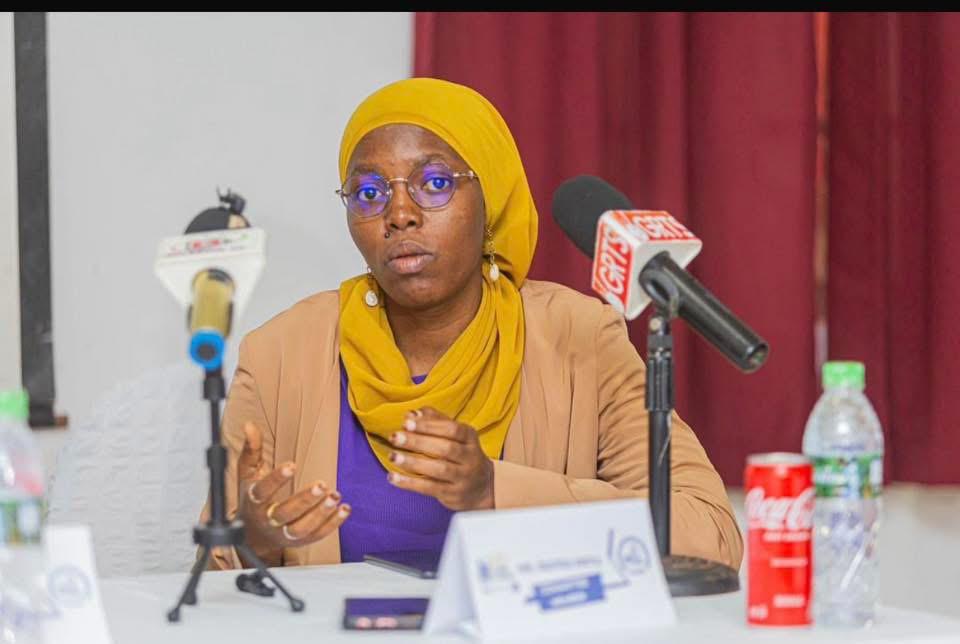
In a landmark moment for Gambian journalism, Ms. Isatou Keita was elected President of the Gambia Press Union (GPU) in December 2024, becoming the first woman in recent history to hold the position. An award-winning journalist, trainer at the Media Development Institute (MAJaC), lecturer at the Management Development Institute (MDI), and senior producer/reporter with degrees in Journalism and Digital Media and a Master’s in International Relations from the University of The Gambia, Keita has quickly emerged as a forceful advocate for press freedom, journalist safety—especially for women—and ethical media standards.
In an exclusive interview with The Alkamba Times for its International Women’s Day special edition, President Keita reflected on her journey to leadership, the unfinished work ahead, and her vision for a stronger, more inclusive media landscape in The Gambia.
“I didn’t wake up one day and decide I wanted to be President of the GPU,” she told The Alkamba Times. “It was a gradual realisation that I had been in this industry long enough, had seen enough, and had built enough experience that sitting on the sidelines was no longer an option.”
Keita emphasized that her decision was rooted in a sense of responsibility: “Journalism has given me a lot… At some point, you must ask yourself: What are you giving back? For me, this role was never about a title. It was about the fact that there is still so much unfinished work in this industry.”
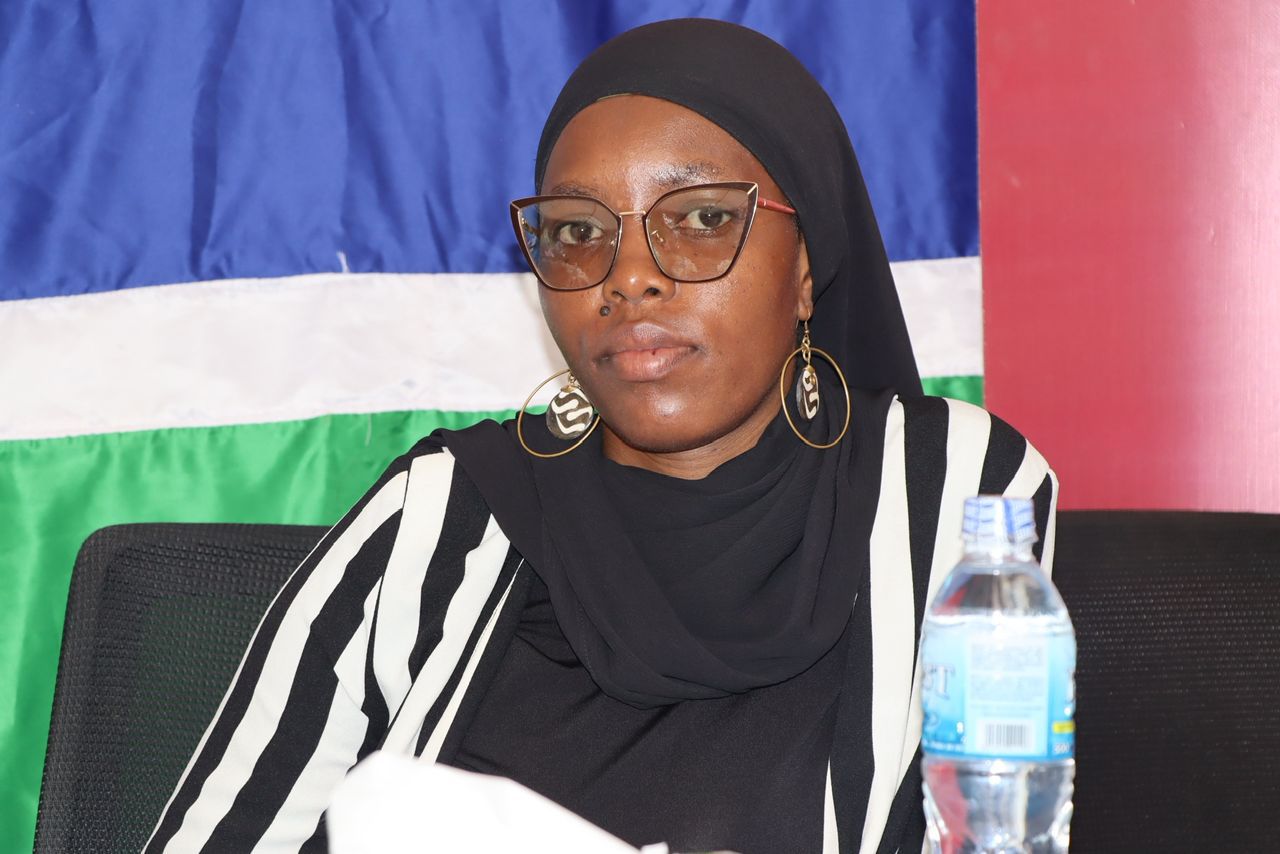
Among her proudest achievements so far are the launch of GPU policy frameworks on professionalism, ethics, and accountability—documents she describes as essential for defending media when it comes under attack and for holding the profession to high standards. The union has also conducted nationwide engagements to hear directly from journalists in the field, ensuring leadership is not confined to desks in Banjul.
Looking ahead, Keita is focused on realizing a long-term dream: establishing a permanent “Press Bantaba”—a dedicated home for Gambian journalism. “We are taking baby steps toward that, but every step counts,” she said.
She remains outspoken on threats to press freedom, including problematic provisions in the Criminal Offences Bill that she argues have no place in a democratic society. The rapid proliferation of online media also presents challenges: “Everyone who owns a mobile phone and has internet access now calls themselves a journalist even without following the ethics of the profession,” she noted, underscoring the urgent need for professionalization.
On the intersection of gender and press freedom, Keita is unequivocal: the two are inseparable. Female journalists face unique risks—online harassment, dismissal in professional spaces, and, in some cases, physical safety concerns—that male colleagues often do not encounter.
“These are not abstract issues; they happen to women I know,” she said. The GPU, with support from UNESCO and in collaboration with the Women Journalists Association of The Gambia (WoJAG), has facilitated multistakeholder discussions to address these challenges, bringing together editors, media owners, policymakers, and journalists.
Keita sees her presidency as intentional representation: “When a young woman in a newsroom somewhere sees that the President of the GPU looks like her, something shifts—and to me that matters a lot.”
International exposure—through learning visits to Kenya’s journalist union and regional forums—has reinforced her belief in building durable, context-specific structures for Gambian journalists while drawing inspiration from global best practices.
Keita also highlighted the media’s role in shaping perceptions of power: “When women in politics, in business, in community leadership are consistently treated as side notes rather than central figures, that has consequences.” She stressed that ethical media must go beyond freedom to responsibility—protecting women’s stories from sensationalism and ensuring they are portrayed as experts and decision-makers.
To young Gambian women aspiring to enter journalism or media leadership, her advice is direct and empowering: “Come in knowing it will not always be easy… Build your skills seriously—reporting, writing, digital tools, and understanding the law as it relates to media. Your competence is your best protection… Find a community of other women in this field… And do not wait for permission to lead.”
Rooted in her Gambian identity and a deep belief that “truth matters” because it affects real lives, Keita sees her work as part of a broader continental struggle for press freedom. “Across West Africa, press freedom is under pressure,” she said. “What Gambian journalists do… how we hold the line, how we support each other—that sends a message beyond our borders. I want that message to be one of resilience and purpose.”
As The Alkamba Times celebrates trailblazing Gambian women this International Women’s Day, President Isatou Keita stands as a powerful symbol of principled leadership, moral courage, and unwavering commitment to truth, accountability, and gender equity in media—proving that Gambian women are not only reporting the nation’s story but actively shaping its future.