By: Momodou Gagigo
The Centre for Good Governance (CGG) has called for a significant electoral reform in The Gambia, proposing to lower the voting age to 16 and 17 for local government and parliamentary elections, while excluding presidential polls.
The proposal, unveiled during a presentation of research findings, seeks to bridge what CGG describes as a “democratic gap” and increase youth engagement in the country’s political process.
Executive Director Alasan Sowe emphasised the urgency of the Reform, stating: “Reform of the voting age in The Gambia is urgent. It tackles youth exclusion, builds democratic confidence, and instills metropolitan institutions with realities on the ground.”
Drawing on Afrobarometer data, CGG highlighted that half of young Gambians believe the government is not addressing their needs, and that only 37% express trust in Parliament. Despite this, more than 60% of youth demonstrate awareness of their civic rights and responsibilities.
To support its case, CGG pointed to international precedents. In Austria, where 16- and 17-year-olds have voting rights, their turnout reached 64.52%, surpassing the 56.52% recorded among first-time voters aged 18-20. Similarly, Scotland’s 2014 independence referendum saw 75% participation among 16- and 17-year-olds, compared to a national average of 65%.
CGG advocates a phased implementation, beginning with a voluntary pilot programme for local government elections to allow institutions to build capacity. Full inclusion in parliamentary elections would require constitutional changes.
Implementing the proposal would necessitate amending Section 39 of the 1997 Constitution, which currently sets the voting age at 18. This process demands a two-thirds majority in the National Assembly, followed by a national referendum.
Key recommendations include launching civic education programmes in schools, media literacy initiatives to counter misinformation, and strengthening institutional frameworks. The Independent Electoral Commission (IEC) would need to upgrade voter registration systems and spearhead public awareness campaigns.
CGG outlined collaborative roles: the National Assembly to drive constitutional Reform, the Ministry of Justice to draft amendments, civil society organisations to support outreach, and the IEC to manage registration and education efforts. CGG itself is committed to monitoring progress.
Communication Officer Muhammed S. Bah described the initiative as a step to “empower future generations, reinforce democratic achievements, and establish The Gambia as a regional powerhouse in democratic innovation.”
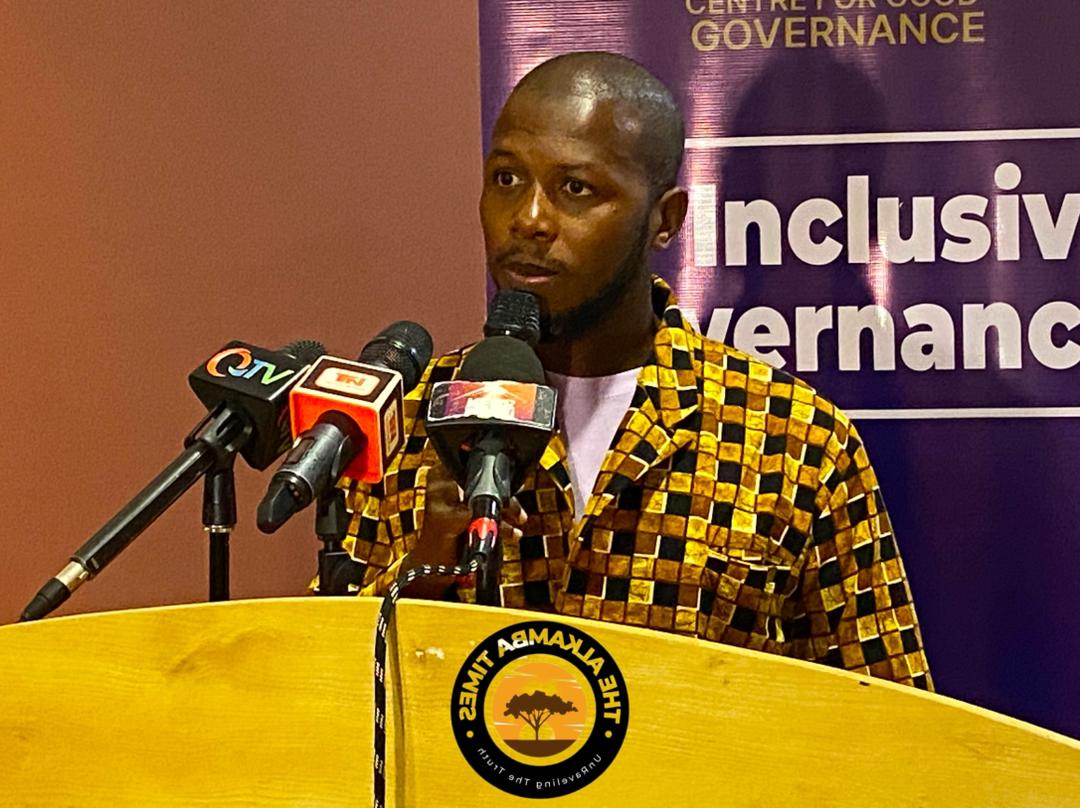
The proposal has sparked debate on youth political maturity and electoral logistics, with stakeholders expected to engage in broader consultations in the coming months.