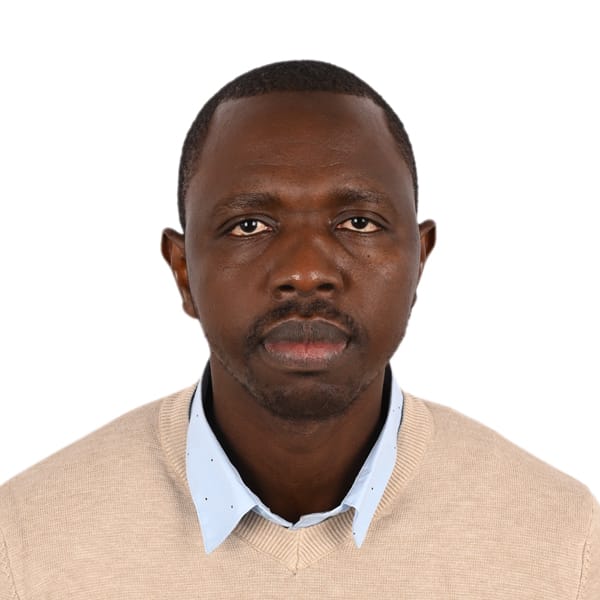
Dr. Alieu Manjang, a highly regarded Gambian academic and diplomat with deep expertise in Gulf Studies, has left an indelible mark on The Gambia’s diplomatic presence in Qatar, even as his recall from the embassy in June 2025 continues to spark debate among the diaspora community and observers.
Holding a PhD in Gulf Studies from Qatar University, Dr. Manjang also earned three master’s degrees: two in Public Policy (one focused on Islam) from Hamad bin Khalifa University, and another in Gulf Studies from Qatar University. His academic foundation began with a Bachelor of Arts in Journalism and Mass Communication from Al-Azhar University in Egypt. A prolific scholar specializing in Gulf-Africa relations, education policy, diplomacy, and international relations, he has published extensively and presented research at conferences in Qatar, the United Kingdom, and Italy.
Dr. Manjang joined The Gambia’s foreign service in 2017 while completing his doctorate. Appointed First Secretary at the Gambia Embassy in Qatar, he served until his recall, bringing rare linguistic fluency in English and Arabic, alongside specialized knowledge of Gulf political systems and society. These skills strengthened bilateral ties between The Gambia and Qatar, a key regional partner.
Before his official role at the embassy, Dr. Manjang was already a pillar of the Gambian community in Qatar. As the founding Secretary General of the Gambian Association in Qatar, he fostered unity and support among expatriates. Community members recall his tenure at the embassy as transformative: beyond routine diplomatic duties, he served as an accessible, compassionate figure for Gambians in distress—handling bereavement, labor disputes, personal crises, and homesickness. His home reportedly became an informal hub for guidance and relief, earning praise for its humility and selflessness.
Executive members of the Gambian Association reportedly petitioned the embassy to reconsider his recall, warning that his departure would leave a profound professional and social void. Many in the diaspora describe the embassy’s operations and community relations as noticeably smoother during his time, with Dr. Manjang frequently mediating and clarifying issues.
After returning to Banjul, Dr. Manjang briefly served at the Ministry of Foreign Affairs. Despite the short stint, he made an immediate impact by designing and delivering a pioneering three-week diplomatic training course for over 30 interns and junior staff—the first of its kind in the ministry’s history. The program drew attendance from senior officials, including the Minister and Permanent Secretaries. Colleagues organized a farewell gathering upon his departure, an uncommon tribute that underscored appreciation for his professionalism and dedication.
He has since taken up a position as Senior Policy Research Specialist in Qatar’s Ministry of Education and Higher Education, continuing his work in education policy and research.
The recall has fueled speculation in diplomatic circles. As the only PhD holder in the ministry at the time, with seven years of foreign service experience and unmatched expertise in Gulf affairs, some argue his retention in Qatar would have better served The Gambia’s strategic interests in diplomacy and economic engagement with the Gulf. Observers suggest the decision, reportedly originating at higher levels, including the State House, may have stemmed from factors unrelated to performance or competence, though no official public explanation has emerged.
His replacement, a younger appointee named Isatou Jabbi, drew criticism from some community voices for lacking prior public service experience and limited Arabic proficiency (speaking primarily Sarahulleh), potentially posing challenges in a Gulf posting where language and cultural nuance aid engagement with both host authorities and Gambian citizens.
Among Gambians in Qatar, Dr. Manjang’s legacy endures as that of a humanitarian diplomat. Supporters highlight how his unique blend of scholarship, diplomatic skill, and grassroots commitment exemplified effective representation abroad—advancing national interests while providing tangible support to citizens far from home.
Though his departure has left lingering questions about diplomatic postings and priorities, Dr. Manjang’s contributions to bilateral relations, staff training, and community welfare remain widely celebrated by those he served.