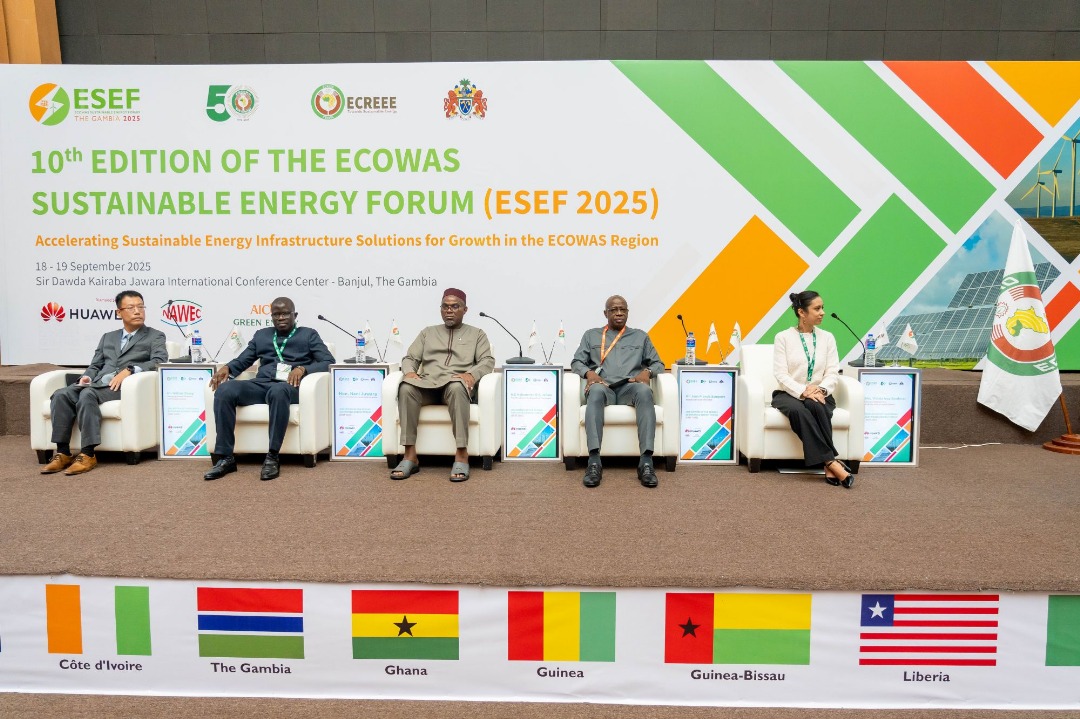
The 10th ECOWAS Sustainable Energy Forum (ESEF 2025) kicked off on Thursday, September 18, in Banjul, The Gambia, under the theme “Accelerating Sustainable Energy Infrastructure Solutions for Growth in the ECOWAS Region.” The event, hosted by the Economic Community of West African States (ECOWAS), brought together policymakers, private sector leaders, development partners, academics, and civil society stakeholders to chart a path toward a sustainable energy future for West Africa.
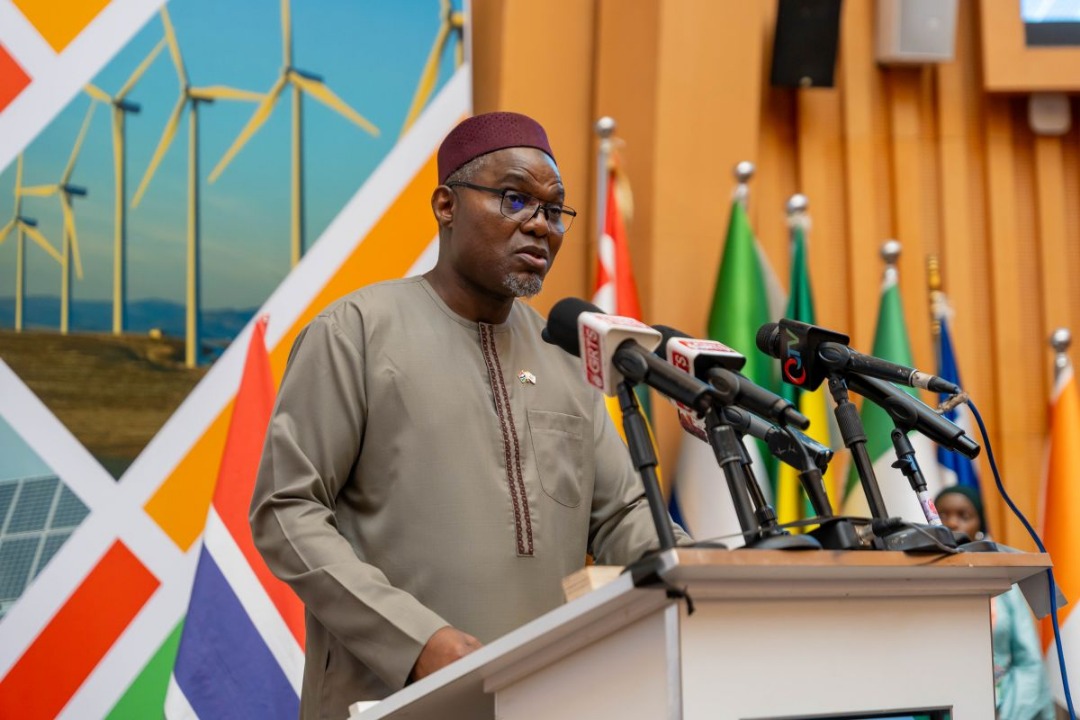
In his opening address, The Gambia’s Vice President, H.E. Muhammed B.S. Jallow, emphasized the pivotal role of renewable energy in fostering national and regional development. “Access to clean and sustainable energy is not just a necessity but a catalyst for economic growth and poverty reduction across our region,” he stated.
Hon. Nani Juwara, Minister of Energy, praised ECOWAS for its leadership in advancing energy solutions, while Mr. Francis Sempore, Executive Director of the ECOWAS Centre for Renewable Energy and Energy Efficiency (ECREEE), highlighted the region’s progress.
Sempore noted that grid-connected solar capacity in the ECOWAS region has surged from just 5 megawatts in 2010 to nearly 1 gigawatt in 2025, a testament to the region’s growing commitment to renewables.
The first day of the forum focused on critical topics, including energy infrastructure development, energy efficiency as a tool for poverty alleviation, and clean cooking solutions. Discussions underscored the urgent need to address West Africa’s energy access gap, with World Bank data indicating that approximately 220 million people in the region still lack electricity. Despite the region’s vast renewable energy potential—estimated at 2,000 gigawatts from solar and wind resources—challenges such as inadequate infrastructure and financing continue to hinder progress.
Thematic sessions explored innovative solutions, including smart mini-grids, off-grid solar systems, renewable-integrated electricity markets, and emerging technologies like green hydrogen. These discussions aimed to unlock investment opportunities and strengthen policy frameworks to attract private sector participation. The forum also addressed sustainable food systems powered by clean energy, sustainable mobility, and off-grid entrepreneurship, aligning with ECOWAS’s broader strategy to build resilient and inclusive energy systems.
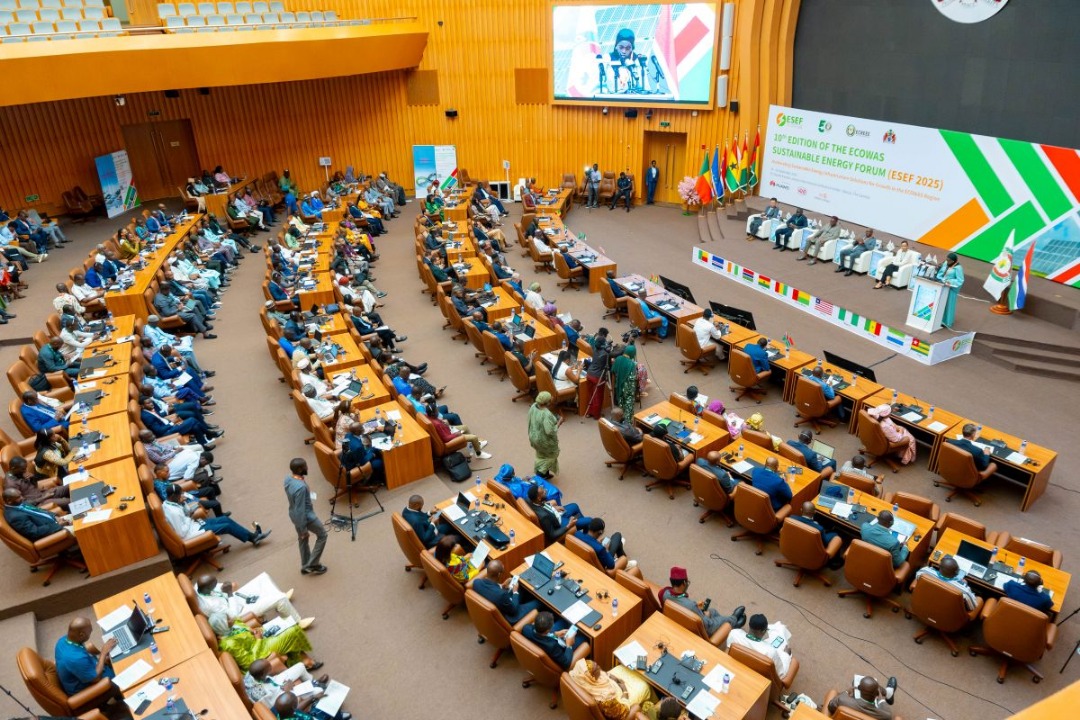
Mrs. Violeta Insa Sandoval, Chargé d’Affaires of the Embassy of Spain to The Gambia, reaffirmed Spain’s commitment to supporting ECOWAS’s energy goals. “Regional cooperation is essential for scaling up innovative solutions like smart mini-grids and off-grid solar systems,” she said, emphasizing the importance of partnerships in accelerating the clean energy transition. Spain’s long-standing collaboration with ECOWAS has been instrumental in advancing renewable energy projects across the region.
Industry leaders also shared insights on leveraging technology to drive sustainability. Mr. William Zheng, Managing Director of Huawei Technologies Gambia, highlighted Huawei’s contributions to energy innovation, including solutions to reduce emissions and enhance energy efficiency. “Technology is a game-changer in building a sustainable energy ecosystem,” Zheng said, drawing from global best practices to underscore the potential for transformative change in West Africa.
ESEF 2025 serves as a premier platform for improving the policy and regulatory environment for private sector investment. By facilitating dialogue between ECOWAS policymakers, regional and international investors, and financial institutions, the forum aims to catalyze sustainable energy development. Participants stressed the importance of harnessing West Africa’s abundant renewable resources to close the energy access gap and support economic growth.
The event, which runs through the week, is expected to produce actionable recommendations to accelerate the deployment of sustainable energy infrastructure, ensuring that West Africa capitalizes on its renewable potential to drive growth and development.