By: Sainabou Sambou
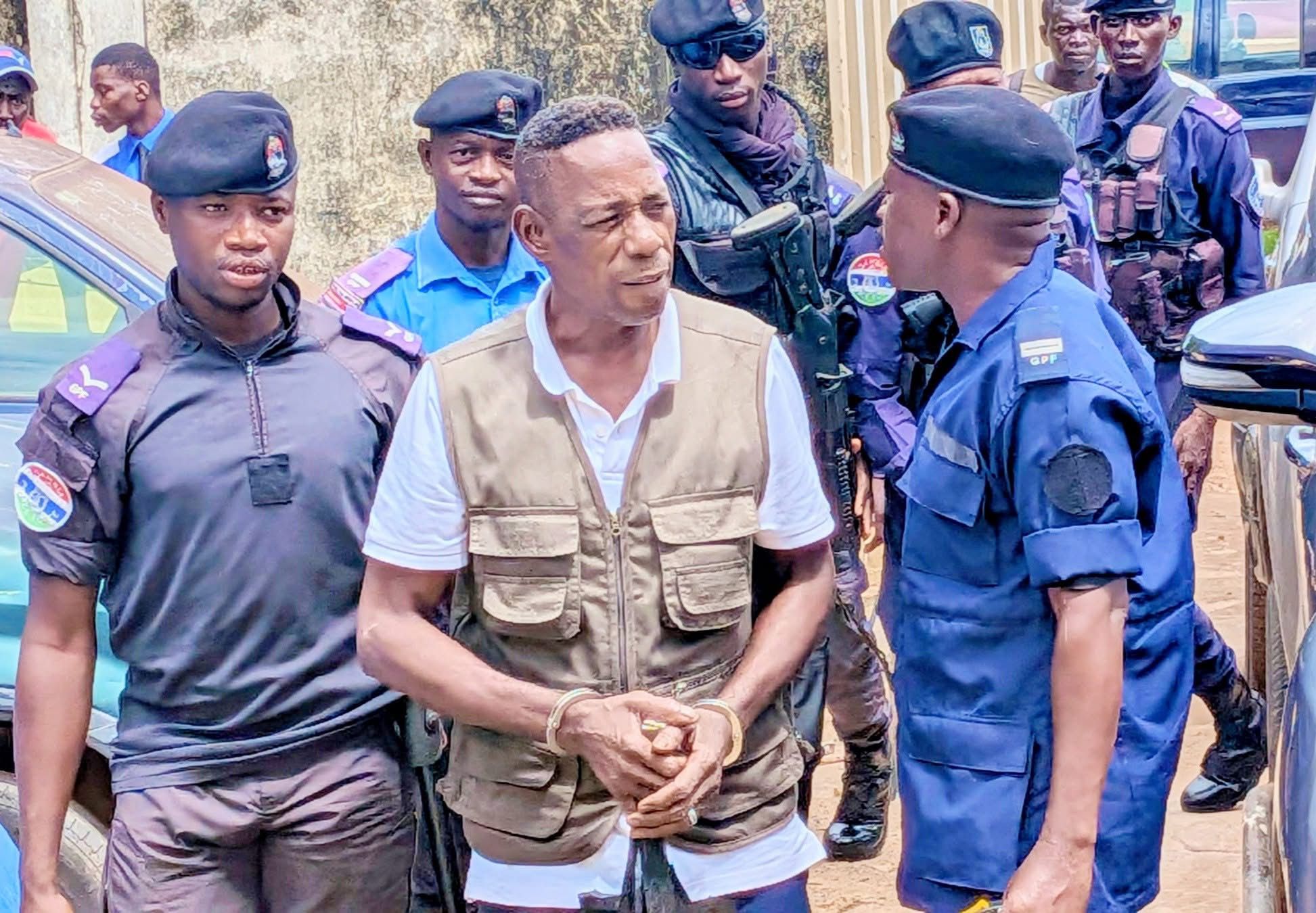
Former Gambia Armed Forces soldier Abdoulie Sanyang, on trial for arson and interference with judicial proceedings, took the stand on Wednesday at the High Court in Banjul, vehemently denying any role in the 2016 burning of the Alliance for Patriotic Re-orientation and Construction (APRC) bureau.
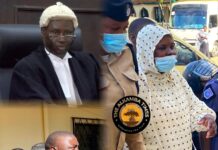
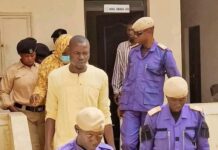
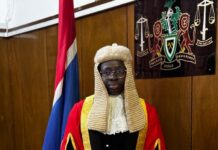
Presided over by Justice Ebrima Jaiteh, the hearing saw Sanyang, who has been remanded at Mile 2 Central Prison since his arrest on August 17, 2025, testify in his own defence. SL Jobarteh represented the state, while Fatoumatta Bonda appeared for the accused.
Sanyang, a Switzerland-based Gambian who returned to the country in 2018 after living in exile from 2006, told the court he was arrested at Banjul International Airport while attempting to depart for Europe. He described his detention process, including stints at the airport police station, Brusubi police station, and police headquarters, where he claimed statements were taken voluntarily but without a lawyer or independent witness.
The charges stem from a controversial August 14, 2025, interview on West Coast Radio’s “Coffee Time with Peter Gomez,” during which Sanyang allegedly admitted to funding the 2016 arson attack on the APRC bureau – the former ruling party’s headquarters under ex-President Yahya Jammeh. He also made comments criticising judicial processes and electoral matters.
In his testimony, Sanyang insisted the interview was intended to share his experiences opposing the Jammeh regime, not to incite crime or interfere with justice. “I was not part of any action, nor did I provide financial support,” he stated, denying involvement in the bureau’s burning. He acknowledged the existence of audio and video recordings of the interview, confirming he is the speaker but suggesting possible misquotations or misunderstandings.
Sanyang admitted initiating contact for the interview to address national issues as a concerned citizen, but maintained his remarks were contributions to public dialogue, not attempts to undermine the courts or mobilise criminal acts.
He revealed ongoing health challenges, including injuries from past accidents and diagnoses of anxiety and depression in Switzerland, noting worsened symptoms – such as insomnia and heightened anxiety – during detention.
Under cross-examination by state counsel SL Jobarteh, Sanyang reaffirmed he stands by most of his interview statements, though he may need to verify specifics. He identified himself in court-shown video clips alongside journalist Peter Gomez and denied mobilising anyone for the arson, calling the allegations a potential misunderstanding.
Addressing a police document bearing a signature purportedly his, Sanyang alleged irregularities and criticised the investigation as flawed in linking him to the crime. He acknowledged the bureau’s burning but reiterated there would be no collaboration.
On remarks describing Gambian courts as “clandestine,” Sanyang clarified he did not intend to interfere with proceedings or imply executive control over the judiciary. He explained references to President Adama Barrow were tied to the head of state’s responsibility for citizens’ safety, not judicial independence.
Regarding comments on the 2020-2021 election petition – struck out by the Supreme Court – Sanyang denied outright rigging, stressing that his intent was not to disrespect the court but to express concerns. He agreed that dissatisfied parties should pursue appeals rather than public condemnation.
Throughout, Sanyang emphasised that his statements were citizen expressions of concern for national security and citizen protection, not commentary on the merits of the case or dictation of judicial outcomes.
The case continues, with the arson charge carrying a potential life sentence. Sanyang has previously pleaded not guilty.