By: Fatou Dahaba
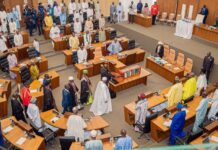
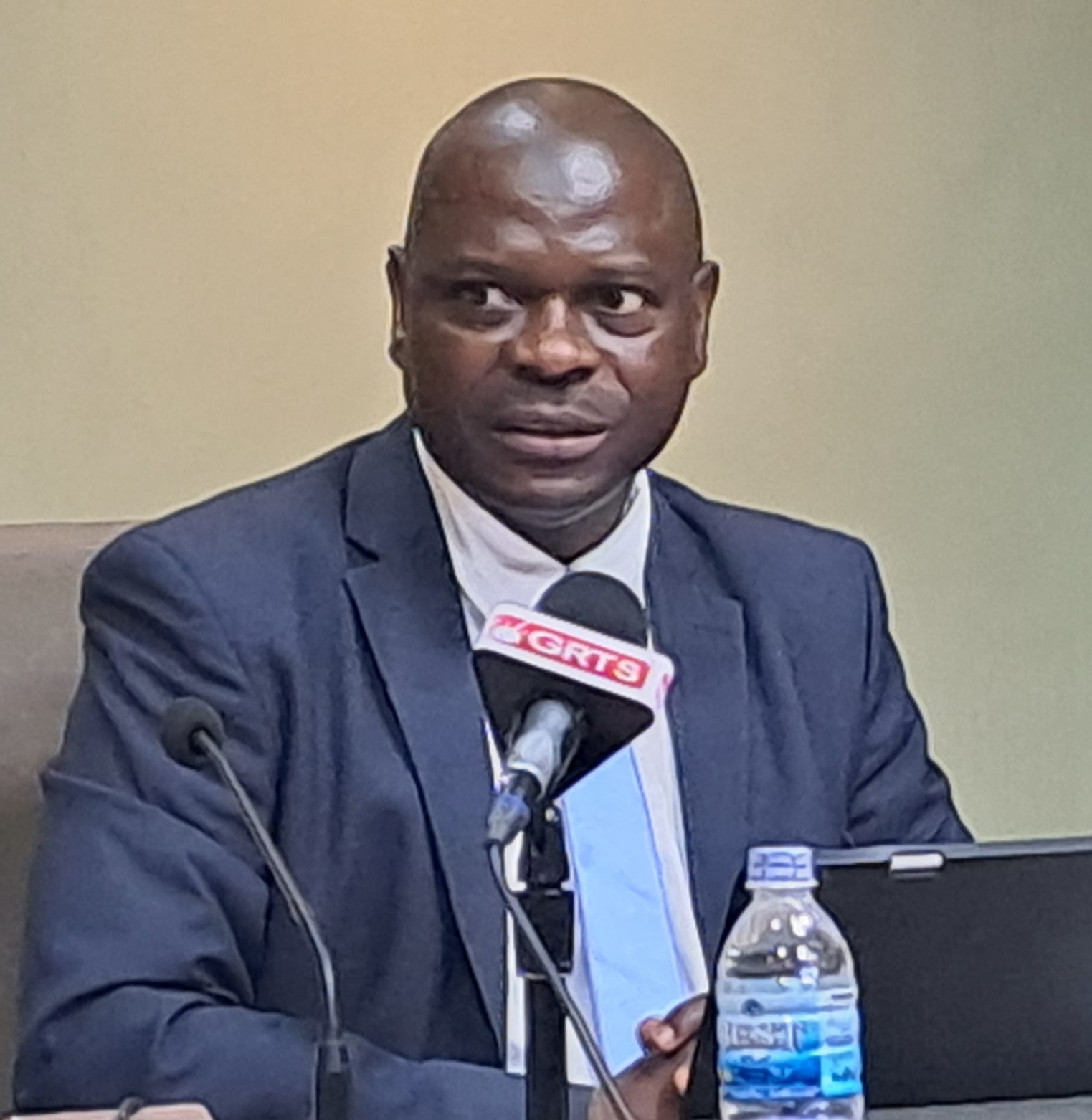
The Finance Minister Seedy Keita announced to the National Assembly that the government recorded a remarkable budget surplus of D1.68 billion for the 2025 fiscal year, marking a significant improvement in the country’s fiscal health.
In an oral ministerial statement on the implementation and monitoring of the 2025 National Budget, Minister Keita attributed the positive outcome to enhanced revenue collection efforts and substantial external budget support. This surplus contrasts with previous years’ deficits and reflects steady progress in fiscal management.
Total revenue, excluding project grants, reached D33 billion in 2025, up from D25.85 billion in 2024—a robust 28 percent increase. The figure surpassed the budgeted target of D32.1 billion. Tax revenues were a major driver, totaling D23.97 billion and exceeding the approved target of D21.13 billion. Direct taxes grew by 24 percent, while indirect taxes, including VAT, excise duties, and import-related levies, rose by 21 percent.
Domestic revenue climbed from D23.27 billion in 2024 to D28.62 billion in 2025, though it fell slightly short of expectations due to lower non-tax collections. The minister credited the gains to ongoing reforms, such as digitalizing tax administration, improving data matching, strengthening audits, and enforcing withholding taxes on donor-funded projects.
On the expenditure side, total government spending and net lending stood at D31.36 billion, or 97 percent of the approved D32.3 billion budget. Key spending areas included personnel emoluments at D9.58 billion—driven by salary increases for civil servants—along with subsidies, transfers to public institutions, and domestic debt interest payments.
Despite higher expenditures, the surplus was secured thanks to external assistance that exceeded expectations. A standout contribution came from a US$45 million budget support grant from the World Bank, aimed at bolstering economic reforms, elevating living standards, and enhancing the government’s ability to provide essential public services.
Minister Keita emphasized that these results demonstrate the effectiveness of administrative improvements and compliance measures in strengthening public finances. The surplus positions of The Gambia are favorable for future fiscal stability, though officials continue to monitor challenges such as debt obligations.
The announcement, according to finance ministry officials, underscores the government’s commitment to prudent financial management and sustainable growth, offering a positive outlook as the country advances its development priorities.