The Court of Appeal has begun hearing former National Intelligence Agency (NIA) Director-General Yankuba Badjie’s challenge to his 2022 conviction and death sentence for the murder of opposition activist Ebrima Solo Sandeng.
Badjie, once a key figure in the intelligence apparatus under ex-President Yahya Jammeh’s regime, was convicted on July 13, 2022, by High Court Justice Kumba Sillah in Banjul. He was found guilty of murder and related offenses stemming from Sandeng’s death in custody in April 2016. Sandeng, a prominent United Democratic Party (UDP) youth mobilizer, was arrested during protests demanding electoral reforms, tortured at NIA facilities, and died from his injuries. The case became a landmark in Gambia’s post-Jammeh transitional justice efforts to address atrocities committed during the 22-year dictatorship.
Badjie, along with several subordinates, received the death penalty following the high-profile trial.
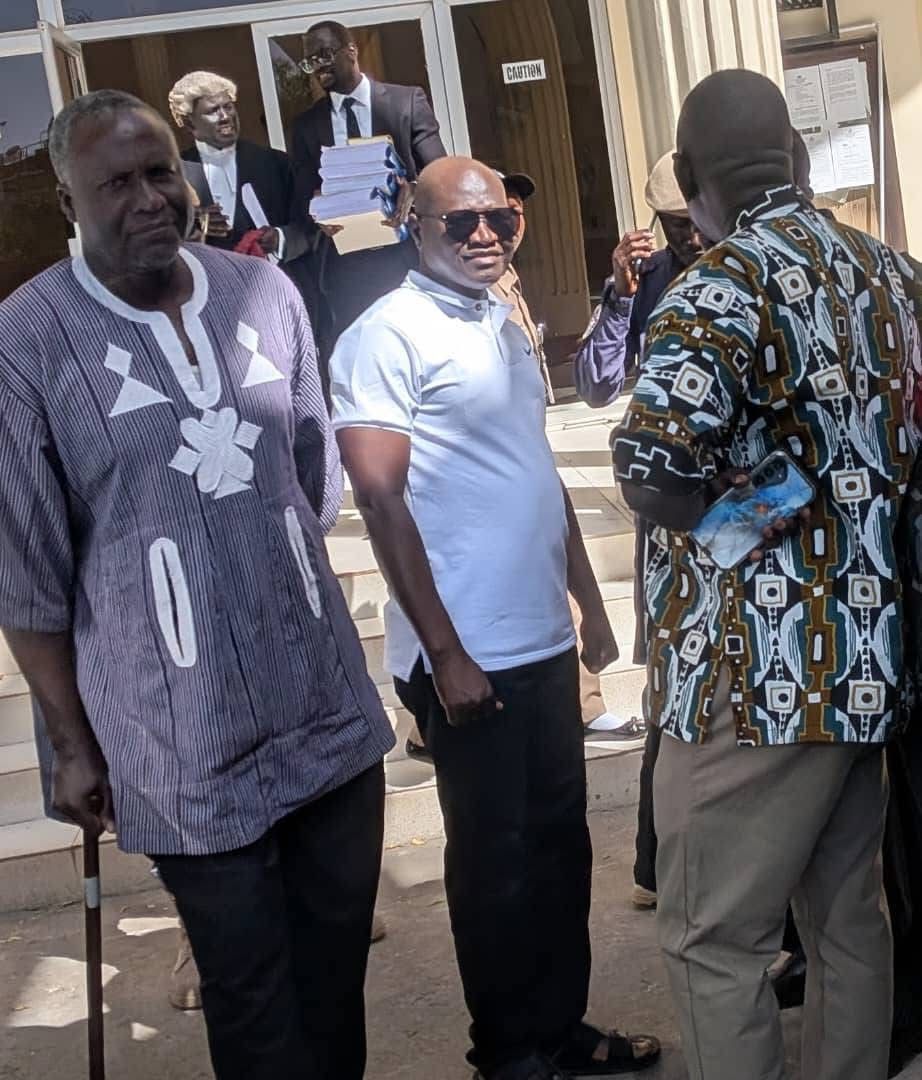
In the latest development, the Court of Appeal convened to consider Badjie’s appeal. Representing the appellant were Counsels Christopher Mane and Pauline, while no representatives from the respondent—the State, through the Ministry of Justice—appeared. Court records confirmed the Ministry was served with the hearing notice on January 20, 2026.
Counsel Mane told the court that Badjie had initially filed the appeal pro se while detained at Mile 2 Central Prison and is now fully represented. He indicated readiness to submit additional or amended grounds of appeal and sought a short adjournment date.
The court granted the request, allowing amended notices to be filed, and adjourned proceedings to February 17, 2026.
In a stern rebuke of the State’s non-appearance, the court warned that another hearing notice would be issued to the Ministry of Justice, with failure to appear carrying “serious consequences.”
Through his appeal grounds, Badjie maintains his innocence, arguing that the High Court’s judgment lacks sufficient evidential support and contesting both the conviction and the imposed death sentence.
The case draws continued attention amid The Gambia’s ongoing accountability process for Jammeh-era human rights violations, including the Truth, Reconciliation and Reparations Commission findings on widespread abuses.