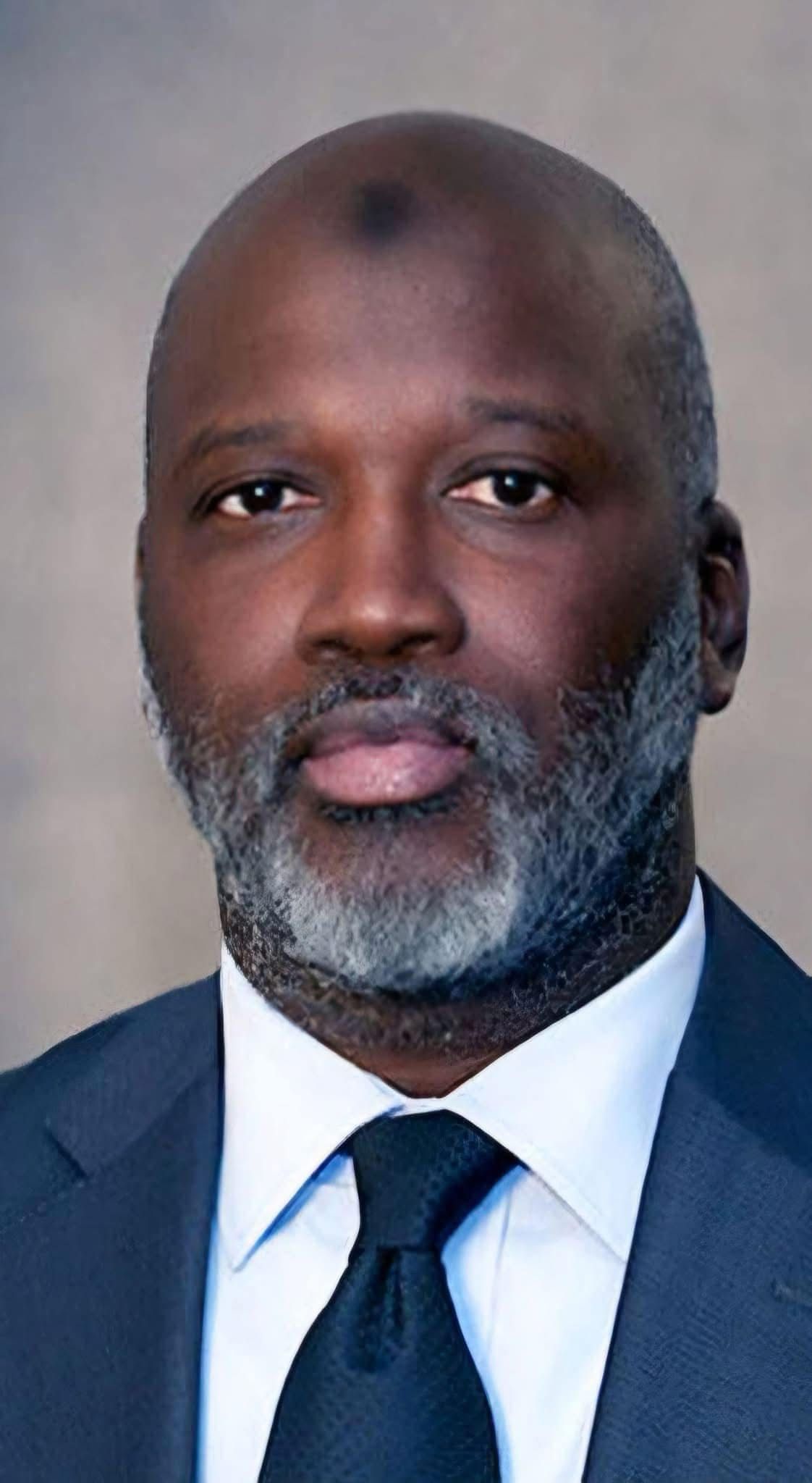
Former Attorney General and Minister of Justice Abubakar Baa Tambadou is set to appear before the National Assembly’s Special Select Committee probing the sale and disposal of assets linked to the Former President Yahya Jammeh on Monday, September 15, 2025.
As a key witness, Tambadou will provide insights into the controversial sale and disposal of assets seized from exiled ex-President Yahya Jammeh, a process he oversaw during his tenure from 2017 to 2020.
The seven-member committee, chaired by Hon. Abdoulie Ceesay with Hon. Madi MK Ceesay as vice chairperson, was established earlier this year to probe allegations of irregularities, undervaluation, and opacity in the handling of Jammeh’s ill-gotten wealth. Jammeh, who ruled The Gambia with an iron fist for 22 years until his ouster in 2017, amassed a fortune through corruption, including looted public funds, luxury vehicles, livestock, boats, and vast tracts of land. The Janneh Commission, launched in 2017 under Tambadou’s ministry, flagged these assets for forfeiture, recommending their recovery to bolster state coffers. However, the subsequent sales have drawn sharp scrutiny.
An April 2025 investigative report by The Republic exposed how assets were sold at deflated prices without transparency, with D22.3 million unaccounted for as per a 2019 Audit Office report. Livestock fetched pennies on the dollar, buyer identities were shrouded in secrecy, and receipt books vanished from records.
Public outrage peaked in May, prompting President Adama Barrow to announce a full probe, releasing a list of sold items, including high-end cars and heavy machinery. The committee’s terms of reference include examining the legal basis for disposals, auction processes, and potential conflicts of interest. Tambadou, who played a central role in inaugurating the Janneh Commission and supervising initial asset disposals, was summoned alongside figures like former High Court Sheriff Tabally and Janneh executive secretary Alhaji Mamadi Kurang.
In May, he vehemently denied any wrongdoing on West Coast Radio, insisting the sales were “legally grounded” and approved by a ministerial committee including lands, tourism, and agriculture heads. He refuted claims of appointing cronies, such as Alpha Capital—allegedly linked to a friend—for closed-bid auctions, and clarified delays stemmed from the Janneh probe’s extension from three months to over a year.
“I served The Gambia to the best of my ability and never participated in corruption,” Tambadou asserted, dismissing reports as baseless. The hearings have already yielded bombshells. In August, government vehicle controller Nfamara Saidybah testified that Jammeh diverted 33 state-purchased pick-up trucks to his Alliance for Patriotic Reorientation and Construction (APRC) party in 2016, labeling them “APRC 1” to “APRC 33.” Distinguishing personal from public assets proved “very difficult,” he admitted, as Jammeh often bypassed protocols. The government maintains that disposals were supervised by the Janneh Commission and aligned with constitutional mandates.
Civil society groups hail the inquiry as a transparency milestone, but warn of political undertones ahead of the 2026 elections. “This could expose systemic rot from the transition era,” said rights activist Madi Jobarteh. Critics, however, question why probes intensify now, years after the sales. Tambadou’s testimony, expected at the Assembly chambers, may clarify the ministerial green lights given to buyers and Minister Hamat Bah, flagged in reports for potential conflicts.