By: Momodou Barry, Food systems researcher and PhD student at the University of British Columbia
A war in the Persian Gulf may seem far removed from African farms and food markets. Yet the price of rice in Banjul, bread in Cairo, or maize flour in Nairobi may depend more on events in the Strait of Hormuz than on harvests at home. Oil tankers, fertilizer shipments, and cargo vessels carrying essential agricultural inputs pass through this narrow waterway between Iran and Oman. If that route is disrupted, the consequences will not remain in the Middle East. They will travel through global supply chains and eventually reach African food markets.
Africa’s vulnerability does not stem from importing food from Persian Gulf region itself. The real danger is that disruptions in energy markets, fertilizer supply chains, and shipping routes can increase the cost of producing and transporting food worldwide. For a continent where many households already spend a large share of their income on food, such disruptions can quickly translate into rising prices and deeper food insecurity.
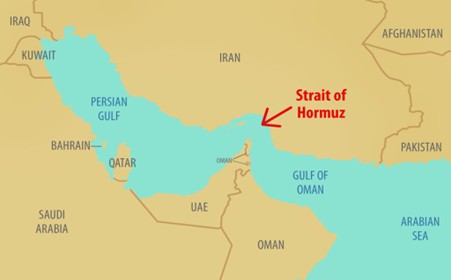
The Strait of Hormuz is one of the most strategic chokepoints in global trade. About one-third of global fertilizer trade and roughly 20% of the world’s export fuels pass through this corridor. If the conflict escalates and shipping is restricted, the consequences will extend far beyond oil prices. Analysts warn that disruptions in the Strait of Hormuz could trigger what some economists describe as a “fertiliser shock,” (a market condition marked by declining supply and sharply escalating prices), raising input costs for farmers and threatening global food security.
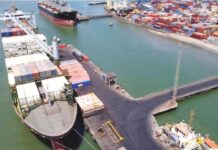
Shipping disruptions are already affecting global trade flows. Analysts warn that tensions involving Persian Gulf region could disrupt international food trade and supply chains, increasing insurance costs, delaying cargo, and raising freight rates. Countries that depend heavily on imported food or agricultural inputs are especially vulnerable, as these additional costs are often passed directly to consumers through higher food prices.
The disruption extends beyond staple grains. Industry analysts report that the conflict has triggered a cascading supply chain crisis affecting food ingredients, vegetable oil markets, sugar refining, and logistics costs. These disruptions spread through global food manufacturing and distribution systems, amplifying price volatility across multiple food commodities.
Energy markets form another crucial link between geopolitical conflict and food systems. Modern agriculture depends heavily on fuel and electricity. Diesel powers farm machinery and transport networks, electricity supports irrigation and food processing, and natural gas is a key input in fertilizer production. When geopolitical tensions drive energy prices upward, the cost of farming, processing, and distributing food increases accordingly.
This energy vulnerability is particularly significant for Africa. The continent already faces structural challenges in energy supply and fuel production. Africa loses an estimated $90 billion annually to the importation of refined petroleum products due to its limited domestic refining capacity. Rising global oil prices triggered by conflict therefore increase transport and food distribution costs across the continent.
However, the most significant connection between the Persian Gulf region conflict and global food systems lies in fertilizer. Modern fertilizer production relies on the Haber-Bosch process, an energy-intensive technology that uses natural gas to convert nitrogen from the air into plant nutrients.
Without synthetic nitrogen fertilizers, global harvests of staple crops such as wheat, maize, and rice would fall dramatically. These fertilizers allow farmers to produce the yields necessary to feed the world’s population.
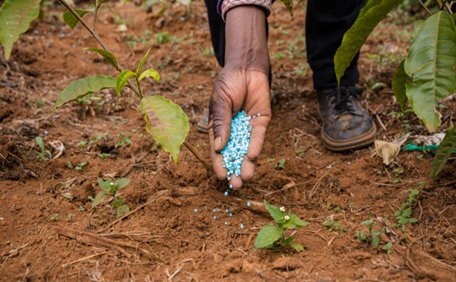
The war has already begun disrupting fertilizer markets. Fertilizer plants in the region have shut down and shipping through the Strait of Hormuz has been severely disrupted, pushing global fertilizer prices sharply higher. The Persian Gulf hosts some of the world’s largest ammonia and urea production facilities, and a significant share of these fertilizers normally passes through Hormuz before reaching international markets.
The price impact has been immediate. Fertilizer prices jumped from about $516 per metric ton to as high as $683 within days of the conflict escalating at the import hub of New Orleans, illustrating how quickly geopolitical instability can affect agricultural inputs.
These developments are particularly concerning for African agriculture because the continent relies heavily on imported fertilizer. Approximately 90% of fertilizer consumed in sub-Saharan Africa is imported, mostly from outside the continent, reflecting weaknesses in shipping infrastructure, distribution systems, and trade logistics. When global fertilizer prices rise or shipments are disrupted, African farmers often face even higher costs due to transport and distribution challenges.
The consequences of fertilizer disruptions rarely appear immediately in food markets. Unlike fuel prices, which change overnight, the effects of fertilizer shortages unfold gradually through the agricultural production cycle. Farmers typically purchase fertilizer months before planting seasons. When supplies are delayed or prices rise sharply, farmers may reduce fertilizer application rates or switch to crops that require fewer inputs.
Agricultural economists warn that even modest reductions in nitrogen fertiliser use can produce disproportionately large declines in crop yields, which can translate into millions of tonnes of lost agricultural production globally.
Lower yields ripple through the entire food system. Grain supplies tighten, feed costs rise for livestock producers, and food manufacturers face higher ingredient prices. These pressures eventually reach consumers through higher retail food prices.
Africa’s food systems are particularly sensitive to such price increases because many countries depend heavily on imported staples. Local rice production covers only about 60% of demand in sub-Saharan Africa, forcing the region to import roughly 14-15 million tonnes of rice each year. These imports cost more than US$6 billion annually, placing significant pressure on foreign exchange reserves.
The scale of this dependence is striking. Although Africa represents only about 13% of the world’s population, it accounts for roughly 32% of global rice imports, making the continent one of the most important players in international rice markets. When global food prices rise because of higher fertilizer costs or shipping disruptions, African consumers often feel the impact more quickly than many other regions.
Logistics disruptions are adding further strain. Major shipping companies have begun rerouting vessels away from the Persian Gulf, sending cargo around Africa’s Cape of Good Hope. This detour adds weeks to delivery times and significantly increases fuel costs per voyage. Longer transit times also threaten temperature-sensitive food ingredients and perishable products, further increasing costs throughout the food supply chain.
For African food systems, these developments are particularly concerning. Fertilizer use in sub-Saharan Africa remains among the lowest in the world, and many smallholder farmers already struggle to afford agricultural inputs. If global fertiliser prices rise further, farmers in sub-Saharan Africa may reduce fertiliser use even more, weakening crop productivity and increasing vulnerability to food shortages. Reduced fertiliser application can significantly lower yields for staple crops such as maize, rice, and wheat, particularly in regions heavily dependent on rain-fed agriculture and smallholder farming. Smaller harvests mean tighter food supplies and rising prices for consumers.
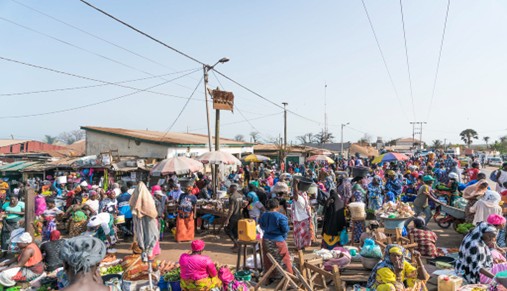
At the same time, higher fuel and shipping costs increase the cost of moving food across countries and continents. When these pressures combine (more expensive inputs, lower yields, and higher transport costs), they ripple through the entire food system and ultimately appear in retail markets as higher food prices. For African households, many of whom already spend more than half of their income on food, such increases can have immediate consequences. Families may reduce meal sizes, shift to less nutritious diets, or cut spending on other essential needs such as education and healthcare. In this way, global geopolitical conflicts can translate into deeper food insecurity thousands of kilometres away from the battlefield.
The lesson is simple: wars in distant regions can reshape what African families pay for food. Food security is shaped not only by domestic agricultural production but also by global trade routes, energy markets, and agricultural input supply chains.
A conflict in the Persian Gulf may appear distant from African farms. Yet the systems that determine the price of bread in Cairo, rice in Banjul, or maize flour in Nairobi are closely tied to the energy markets, fertilizer production networks, and shipping routes that run through the region.
If disruptions in the Strait of Hormuz persist, the most significant consequence may not be the price of oil alone. It may be the rising cost of food and the growing number of African households that can no longer afford it.