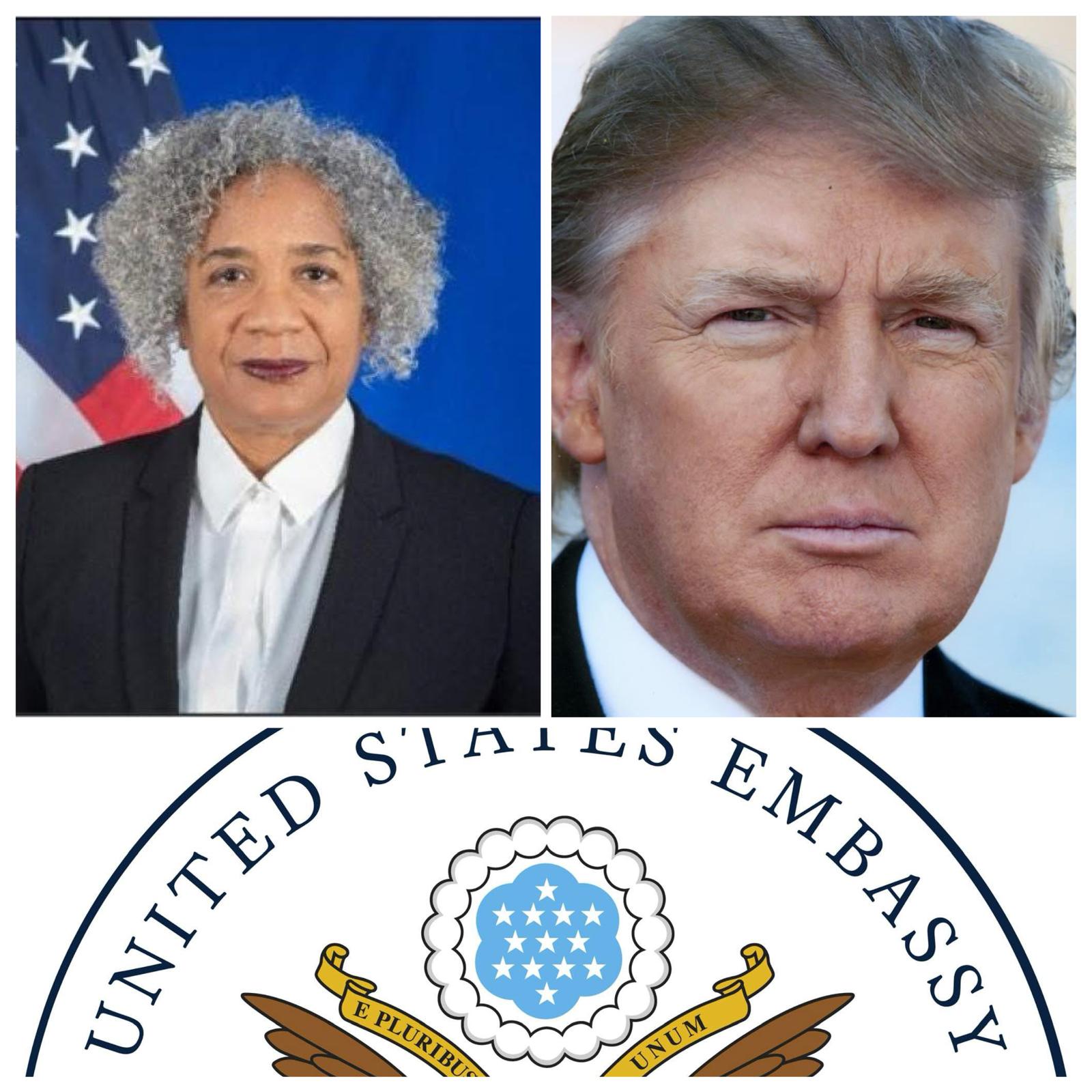
In the bustling Kairaba Avenue in Banjul, the U.S. embassy stood as a quiet symbol of diplomatic ties, its flag fluttering above the sky. For years, it had been a hub for Gambians seeking visas, trade talks, or cultural exchanges. But whispers of change began to ripple through the city, carried by an undated memo from the heart of Washington, D.C.
President Donald Trump’s administration was charting a bold, controversial course: a plan to shutter 10 U.S. embassies and 17 consulates worldwide, slashing staff at other diplomatic posts. The memo, circulating within the State Department, painted a stark picture of a shrinking American presence abroad. Africa, more than any other continent, was in the crosshairs. Six embassies faced closure—Central African Republic, Eritrea, Gambia, Lesotho, Republic of Congo, and South Sudan—while consulates in Douala, Cameroon, and Durban, South Africa, were also on the chopping block.
In Gambia, the news landed like a sudden storm. Local staff at the embassy, from guards to translators, exchanged anxious glances. “What does this mean for us?” asked a young staff who had worked there for a decade. The embassy wasn’t just a workplace but a bridge to the broader world. For small nations like Gambia, the U.S. presence signaled stability, a lifeline to global influence.
Across Banjul’s markets and tea stalls, opinions clashed. “Why would they leave us?” wondered Alieu Sanyang, his voice tinged with betrayal. Others, like Awa Bah, a street vendor, shrugged. “Maybe they think we’re too small to matter.”
In truth, the memo’s rationale was cold and strategic: cost-cutting, reprioritization, and a recalibration of America’s global role. With its complex challenges and modest geopolitical weight, Africa was deemed expendable.
In Washington, the plan sparked fierce debate. Critics warned that closing embassies in fragile states like Gambia could cede influence to rivals like China, whose diplomatic footprint was expanding. Supporters, however, saw it as a pragmatic move, redirecting resources to flashpoints like Asia or the Middle East. The State Department remained silent, the memo’s fate unclear, as diplomats awaited Trump’s final word.
Back in Banjul, the embassy’s future hung in limbo.