By: Sainabou Sambou
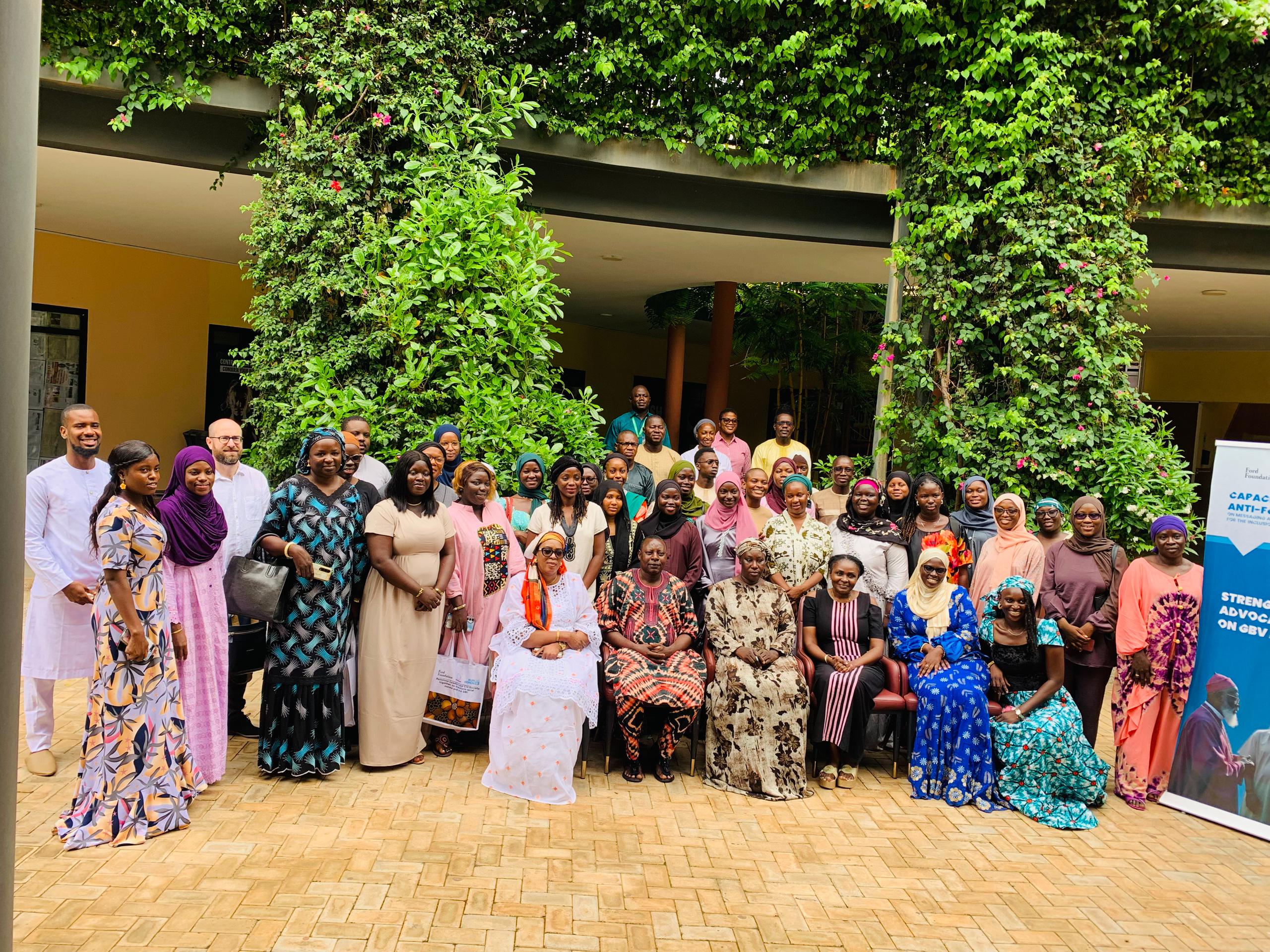
Civil society organizations (CSOs), United Nations partners, and Gambian government officials convened today at a Kololi hotel for a high-level capacity-building training aimed at eradicating gender-based violence (GBV) and harmful traditional practices. Organized by the West African Network of Young Female Leaders (ROAJELF) Gambia Chapter, the event underscored a renewed commitment to protecting women and girls in The Gambia, where challenges like female genital mutilation/cutting (FGM/C), child marriage, and domestic violence remain deeply entrenched.
Isatou O. Jah, General Secretary of ROAJELF Gambia, opened the training by emphasizing its role in empowering women and girls across West Africa. “ROAJELF has been a platform for young women’s empowerment, but GBV and violence against women and children persist, rooted in cultural beliefs and a lack of awareness,” she said. Jah called for collaboration with religious and community leaders to shift societal mindsets and bolster advocacy efforts. She highlighted the urgency of addressing cultural norms that perpetuate violence, urging CSOs to align their strategies for maximum impact.
Fallu Sowe, National Coordinator of the Network Against Gender-Based Violence, delivered a sobering assessment of the current landscape. He referenced a 2024 attempt to repeal key GBV-related legislation, warning that its success could have unraveled protections for women’s, children’s, and human rights. “That was a crossing point for all of us,” Sowe said. He cited alarming statistics, noting that FGM/C prevalence only slightly declined from 75% in 2013 to 73% in 2019–2020, while GBV incidents surged from 26% to 48% in recent years. Sowe also highlighted rising cases of child marriage, rape, and domestic violence, underscoring the need for unified action to protect vulnerable populations.
Joy Micheal, representing the United Nations Population Fund (UNFPA), stressed the power of strategic advocacy in the digital age. “If we don’t have proper advocacy messages, we can bring more harm than good,” she cautioned, noting that effective communication can influence policy, strengthen legal frameworks, and secure funding. Michael urged participants to refine their messaging to avoid confusion and ensure clarity in community outreach. She emphasized that cohesive advocacy is critical to driving systemic change and sustaining momentum in the fight against GBV.
Neneh Touray, Deputy Director at the Directorate of Gender Equality and Women’s Empowerment under the Ministry of Gender, Children, and Social Welfare, described the training as a timely response to a recent spike in rape cases and FGM-related deaths. “The message you send out and the way you send it is critical. It can achieve results or destroy the purpose of your advocacy,” Touray said. She called for a collaborative approach, urging stakeholders to empower young girls and reduce the 25% FGM/C prevalence among the youngest age group to 10% within the next few years. Touray emphasized the importance of unity over competition among advocates, stressing that collective action is key to achieving measurable progress.
The training, funded by the UN Women Regional Office in Dakar with support from the Ford Foundation and international partners, brought together a diverse group of civil society advocates, religious leaders, and government officials. The event provided a platform for stakeholders to align strategies, share insights, and develop targeted interventions to address GBV and harmful practices. Participants left the training equipped with enhanced advocacy skills and a shared commitment to creating a safer, more equitable Gambia.