By: Alieu Ceesay
In a major step to modernize land governance and reduce escalating disputes, the Gambian government has rolled out its first-ever National Land Policy, which introduces steep taxes on unused or unproductive land and the potential forfeiture of such plots after prolonged neglect.
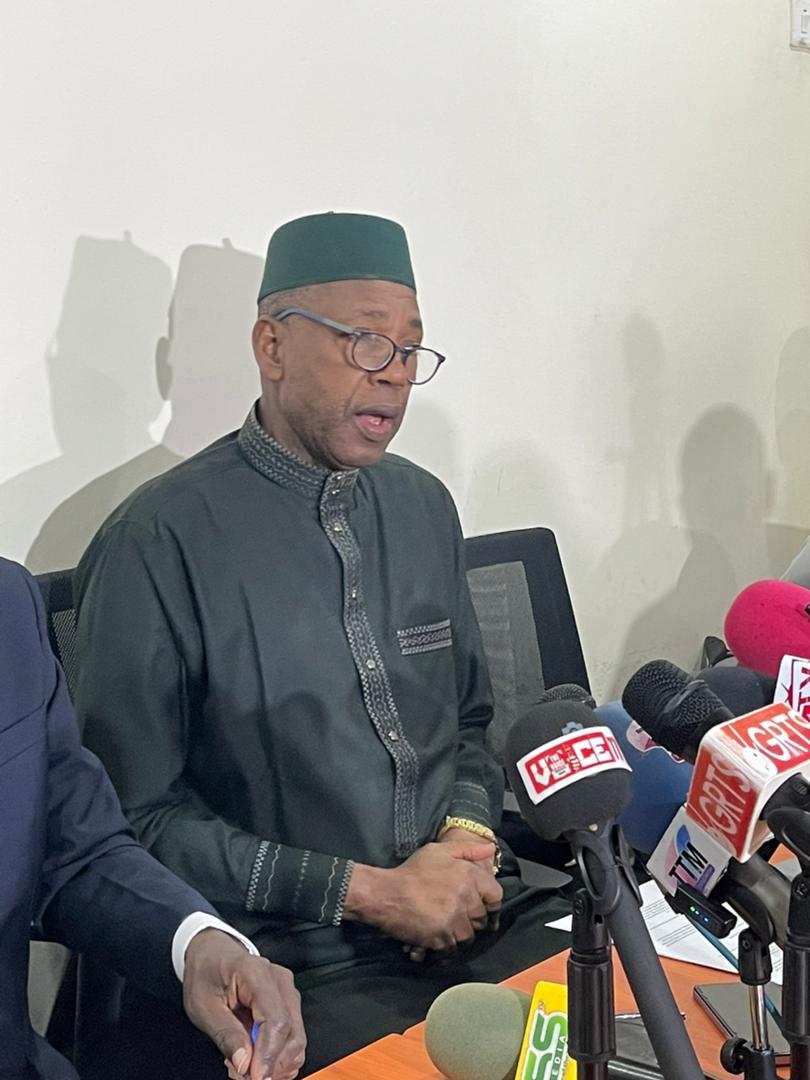
Lands Minister Hamat N.K. Bah announced the policy details during a press update in the capital, Banjul, emphasizing its role in addressing chronic land mismanagement. “If you have land and you don’t develop it, every year you will pay a heavy tax to the state,” Bah stated. “And after a certain period, if you don’t use it, the state will take it back, and you lose it.”
The policy, supported by the World Bank through its formulation process, targets widespread issues including land hoarding, illegal fencing, and speculative holding that drive up prices and block productive use. Officials highlighted that over 60% of court cases in The Gambia involve land disputes, underscoring the urgency of reform.
Implementation is projected to cost approximately $50 million over the next decade. “We need to start moving now to raise the necessary funds to ensure this policy is fully implemented,” Bah said, noting that the document was adopted unchanged by Cabinet, signaling strong political commitment beyond partisan lines.
The reforms also promote gender equality in inheritance and land sharing, challenging longstanding traditions that often disadvantage women. With the country’s population rapidly growing, Bah warned of future instability without proactive measures: “If we don’t manage our land and its usage properly, we will face trouble in the coming years. We need to address this to maintain peace and ensure citizens continue to take ownership of their country.”
To support the rollout, the Ministry of Lands has trained staff in land management and plans to establish regional offices to improve administration and enforcement.
The policy has been welcomed by many as a means to deter land grabbing—often backed by wealth or influence—and empower legitimate owners. It represents a historic shift toward equitable, sustainable land use in The Gambia, with the government vowing to fully implement it to benefit citizens at home and in the diaspora.