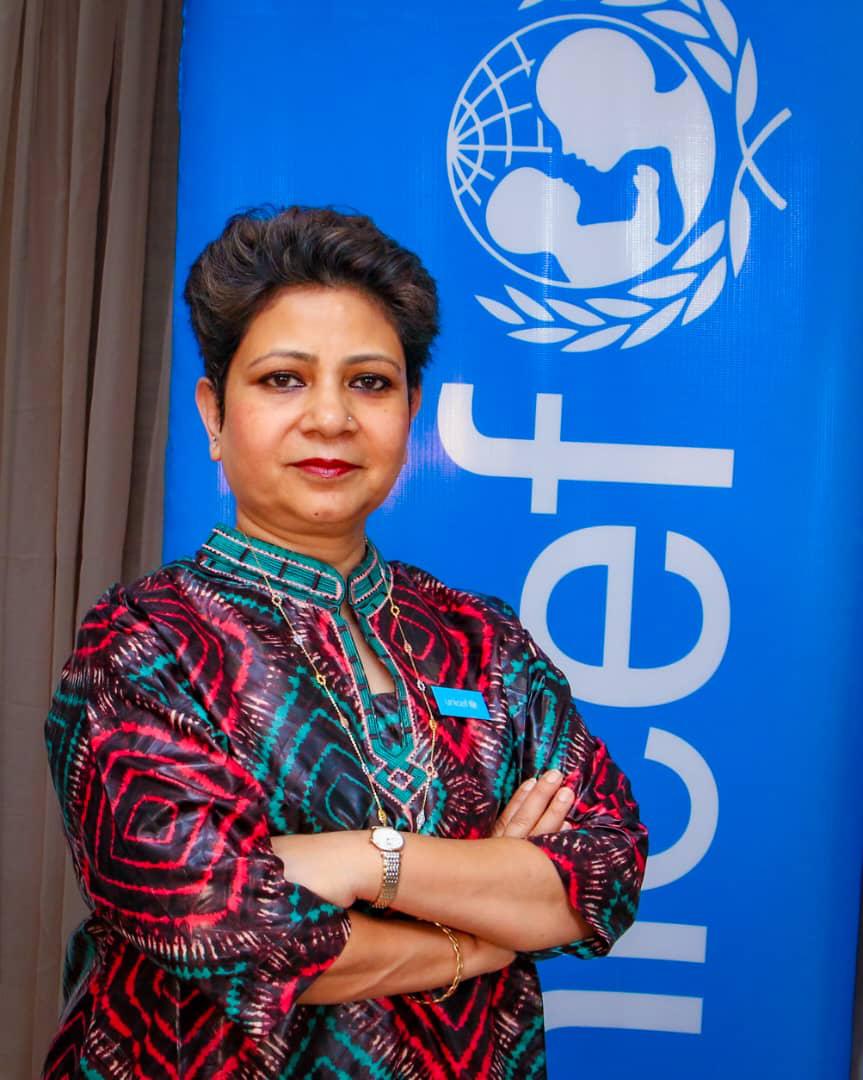
On the International Day of the Girl, UNICEF Gambia, led by Country Representative Ms. Nafisa Binte Shafique, celebrated the theme “The girl I am, the change I lead: girls on the frontlines of crisis.” In a powerful statement, Shafique highlighted the resilience and leadership of Gambian girls, who are not only navigating crises but driving transformative solutions.
In The Gambia, girls are outpacing boys in education, reversing historical gender gaps, and excelling academically. Over 60% of the Children’s National Assembly members are girls, actively shaping policies that impact their lives. “This is not a slogan. It is a reality!” Shafique declared, emphasizing that girls are at the forefront of leadership.
Yet, challenges persist. Adolescent girls, through recent consultations, voiced concerns about child marriage, some as young as 14, and harmful practices like Female Genital Mutilation (FGM), often performed in infancy. Teenage pregnancy, drug use, child labor, and gender-based violence remain prevalent. Girls also face practical barriers: long walks to school, a lack of science laboratories stifling dreams of becoming doctors or engineers, and under-resourced health facilities. The climate crisis further threatens their futures, reshaping communities and livelihoods.
Undeterred, Gambian girls are taking action. They are organizing to end child marriage and FGM, advocating for education, demanding skills centers and better health services, and planting trees to build climate-resilient communities. Crucially, they are demanding inclusion in decision-making, from households to national councils.
This leadership is on global display. Since October 10, 2025, hundreds of adolescent girls from West and Central Africa, including Gambians, have gathered in Dakar for an intergenerational dialogue. They are pressing for climate justice, protection from violence, and a future where every girl can thrive.
Shafique called for action beyond celebration. “Let us deliver,” she urged, advocating for investments in girl-led spaces, health, education, safety, mental well-being, and support for adolescent mothers. She emphasized institutionalizing children’s participation in governance to ensure girls’ voices shape their futures.
“Girls are not waiting to be saved. They are leading,” Shafique concluded. UNICEF Gambia reaffirmed its commitment to work with the government, civil society, educators, traditional and religious leaders, communities, parents, and boys to champion girls’ rights, ensuring every girl in The Gambia can lead the change she envisions.