By: Sainabou Sambou
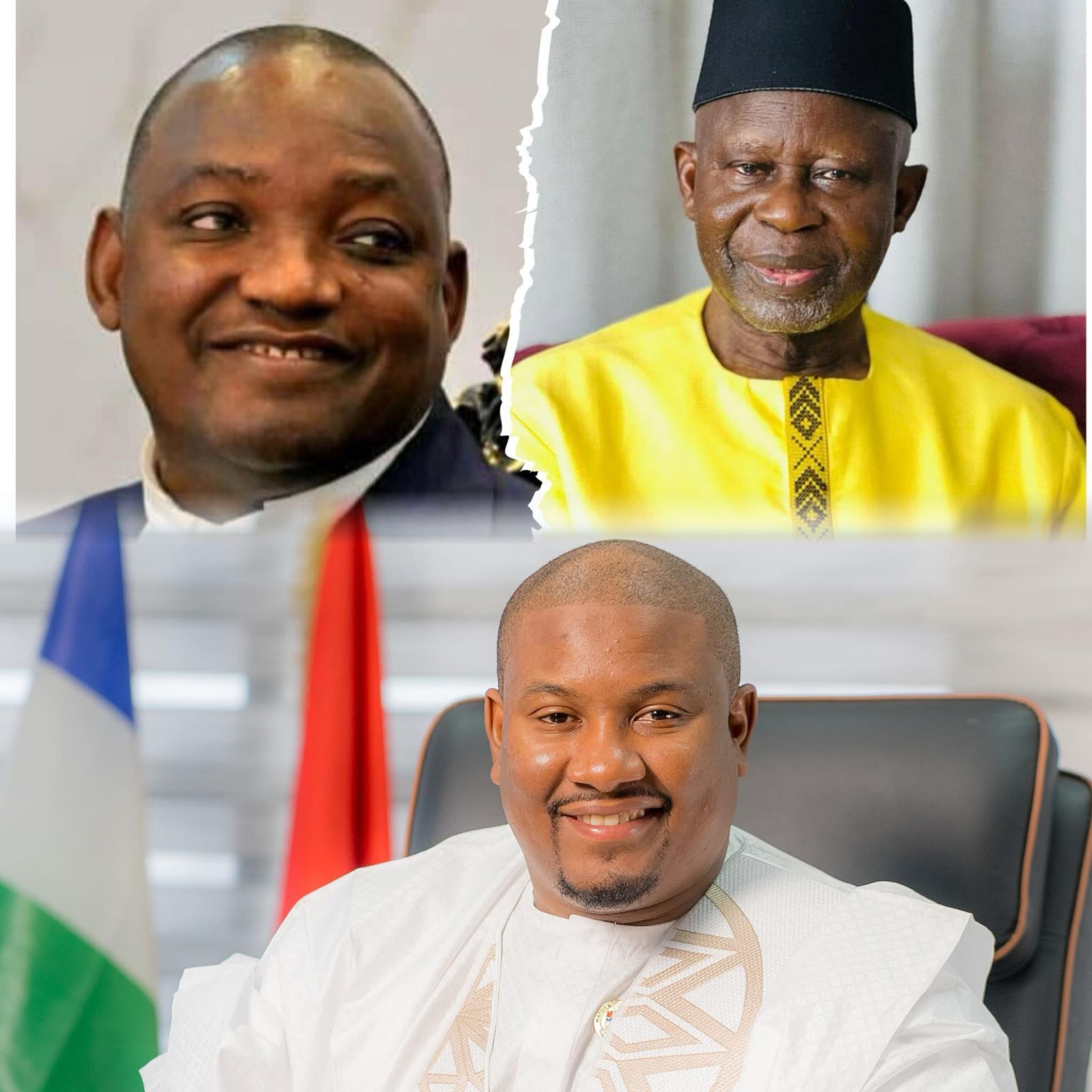
A new Cepress survey released today highlights a shifting political landscape in Gambia as the 2026 presidential election approaches, with significant dissatisfaction toward incumbent President Adama Barrow and veteran politician Ousainou Darboe. The poll underscores a growing preference for new leadership, with Talib Bensouda emerging as a strong contender.
According to the survey, 60% of Gambians would not vote for President Barrow if he seeks re-election, and 55% believe he should not run at all. Barrow’s perceived chance of winning in 2026 stands at 31%, reflecting a notable but not insurmountable challenge to his leadership. Public sentiment appears to be turning away from the incumbent, who has faced criticism over economic and governance issues.
Similarly, Ousainou Darboe, a prominent opposition figure and leader of the United Democratic Party (UDP), faces declining support. The survey found that 59% of respondents oppose his candidacy, with only 18% willing to vote for him. Darboe’s likelihood of winning the presidency is rated at just 12%, signaling a potential end to his long-standing influence in Gambian politics.
When asked who should succeed Darboe as a leading opposition figure, 44% of respondents favored Talib Bensouda, the current mayor of Kanifing, while 13% supported Yankuba Darboe and 5% backed Rohey Malick Lowe. Bensouda’s rising popularity is further evidenced by 55% of Gambians supporting his potential presidential run in 2026, with 18% believing he could win, placing him second only to Barrow in perceived electability.
Other candidates, including Essa Mbaye Faal, garnered only 3% support, with an additional 3% spread across minor candidates. A significant 29% of voters remain undecided, indicating that the 2026 election could hinge on swaying this critical group.
The survey paints a picture of a nation eager for fresh leadership, with Bensouda emerging as a frontrunner to challenge Barrow. Political analysts suggest that the high percentage of undecided voters could make the race unpredictable, as candidates vie to capture their support. As Gambia approaches this pivotal election, the Cepress findings signal a potential turning point, with voters demanding change and new faces in the country’s leadership.
With 29% of the electorate still uncommitted, the coming months will likely see intense campaigning as candidates position themselves to win over this crucial demographic.