In a significant milestone for The Gambia’s energy sector, Owl Surveillance Services has inaugurated the West African nation’s first dedicated petroleum testing laboratory, a modern facility designed to ensure fuel quality, protect consumers, and safeguard the environment.
The state-of-the-art laboratory, located adjacent to Maadikon House in Kanifing, was officially opened recently, marking a decisive step toward greater self-reliance in managing the country’s petroleum resources. For years, The Gambia has relied on neighboring Senegal to test imported fuel products, a process that has often led to costly delays and logistical challenges. With the new local facility now operational, authorities and industry players can obtain faster, more accurate results to strengthen regulatory oversight.
The launch comes at a critical time, as concerns have mounted over the circulation of substandard and contaminated fuel in the country. Reports of vehicle damage and potential safety risks, including links to recent car fire incidents, have heightened public anxiety. Lawmakers in the National Assembly have repeatedly expressed frustration with the Public Utilities Regulatory Authority (PURA) about the lack of domestic testing capabilities, underscoring the urgency of the new initiative.
Lamin Gassama, founder of Owl Surveillance Services and a seasoned petroleum expert with nearly two decades of experience, led the project and described it as a direct response to national needs. “We listened, worked tirelessly, and delivered. This lab is for the people of The Gambia,” Gassama said during the inauguration ceremony.
Gassama highlighted The Gambia’s unique vulnerability as one of the last ports of discharge for petroleum shipments due to draft restrictions at local facilities. He explained that vessels sometimes offload residual products into storage tanks, raising the risk of contamination. The new laboratory will help detect such issues swiftly, enabling depot operators and PURA to ensure that fuels meet international standards before reaching consumers and filling stations.
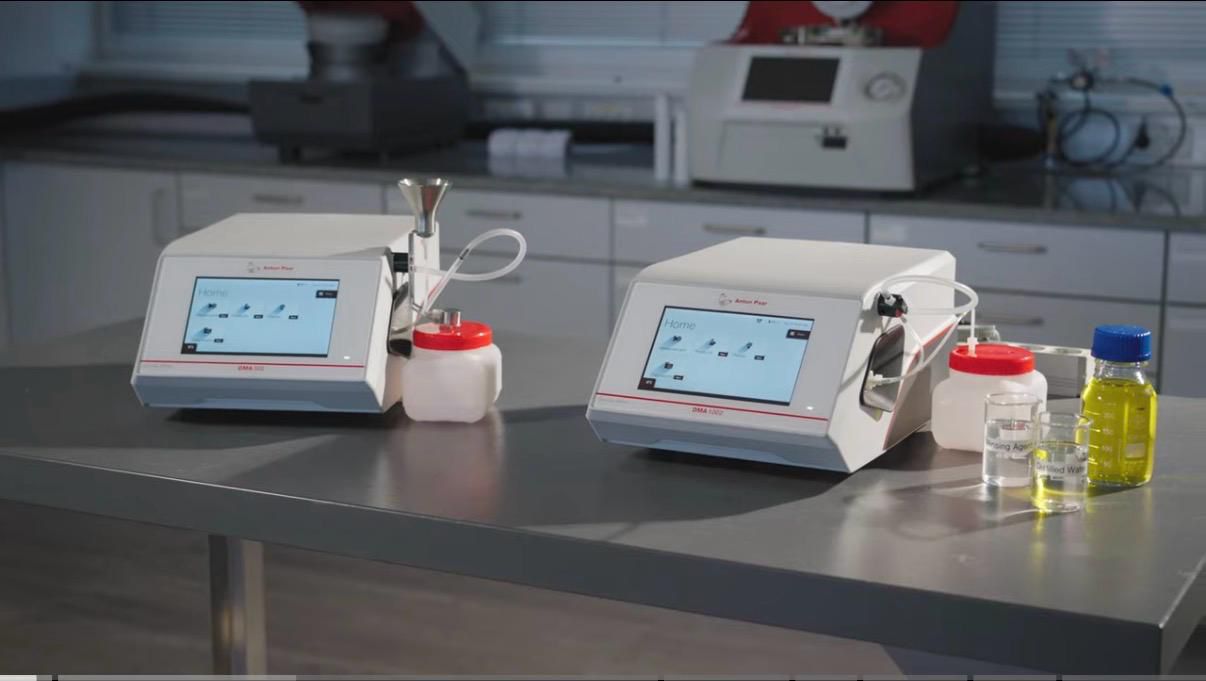
Equipped with advanced testing equipment and staffed by trained professionals, the facility is positioned to play a pivotal role in enhancing the integrity of the nation’s energy supply chain. It complements existing efforts by government bodies and aims to reduce the importation of substandard products that have damaged vehicles and raised environmental and safety concerns.
The initiative has garnered support from key stakeholders, including the Ministry of Petroleum, Energy and Mines, PURA, and the Gambia Standards Bureau. Gassama expressed deep gratitude to his mentor, Mr. Lang K. Konteh, whom he credited as the driving force behind the project. He also thanked President Adama Barrow and the Gambian government for their backing, describing the collaboration as essential to the lab’s success.
Industry observers view the laboratory as more than a technical upgrade—it represents a broader push for accountability and economic development in The Gambia’s petroleum sector. By bringing testing in-house, the country is expected to cut costs, speed up clearance processes, and build greater public confidence in fuel supplies.
As one of the region’s smaller economies, The Gambia has long grappled with challenges in its downstream energy sector, including reliance on imports and vulnerabilities in storage and distribution. The opening of this laboratory signals a move toward modernization and self-sufficiency, potentially paving the way for further investments in energy infrastructure.
Stakeholders hope the facility will deter the entry of poor-quality fuel while supporting enforcement actions against violators. With growing regional trade and increasing fuel consumption, experts say such infrastructure is vital for protecting both consumers and the environment.
The inauguration has been widely welcomed as a positive development amid ongoing discussions about fuel quality and regulatory reforms. As operations ramp up, the laboratory is set to become a cornerstone of The Gambia’s efforts to build a safer, more reliable petroleum industry.