By Aja Beyai
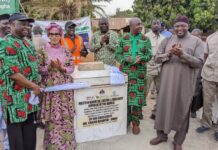
A Monday stakeholder dialogue hosted by the Center for Budget and Macroeconomic Transparency (CBMT) has raised serious questions about transparency in The Gambia’s handling of major public development projects, particularly in the energy, water, and agriculture sectors.
CBMT’s latest research highlights discrepancies in reported funding for several high-profile initiatives approved by the National Assembly. Projects such as the Gambia Electricity Restoration and Modernization Project (GERMP), the ECOWAS Regional Electricity Access Project, and the OIC Water Supply Project reportedly received substantial legislative approvals—ranging from tens of millions to billions of dalasi equivalent—yet official records show zero or severely underreported actual receipts.
GERMP, a multi-donor initiative backed by the World Bank, the European Union, and the European Investment Bank, with over $165 million committed, aims to boost power generation and grid efficiency. Similarly, the ECOWAS project targets rural electrification, while the OIC-funded water initiative, valued at around $22.5 million, focuses on expanding access in the Greater Banjul Area and beyond.
Lamin Dibba, Executive Director of CBMT, warned of the broader consequences during the event. “Our national development is in crisis,” he stated. “Without scrutinizing every dalasi allocated for progress, we risk stalling growth and eroding public trust in governance.” Dibba presented contrasting evidence from World Bank audit reports and donor financial statements, which he said contradict government claims of minimal or no disbursements.
The dialogue, attended by journalists and civil society representatives, underscored the role of accurate fiscal reporting in advancing sustainable development. CBMT urged authorities to address reporting gaps and prioritize reforms in struggling sectors such as energy and water, where unreliable supply continues to hamper economic progress and daily life.
The organization also called on the media to intensify oversight of public spending, ensuring accountability from officials. As The Gambia pursues universal electricity access by 2026 and improved water security amid growing population demands, experts stress that robust transparency is essential to rebuild confidence and deliver tangible benefits to citizens.