By Abdoulie John
In a pivotal development signaling a potential end to months of turmoil following a military coup, Guinea-Bissau’s transitional authorities have released prominent opposition figures, including National Assembly Speaker and PAIGC President Domingos Simões Pereira, amid intensified regional mediation efforts led by the Economic Community of West African States (ECOWAS).
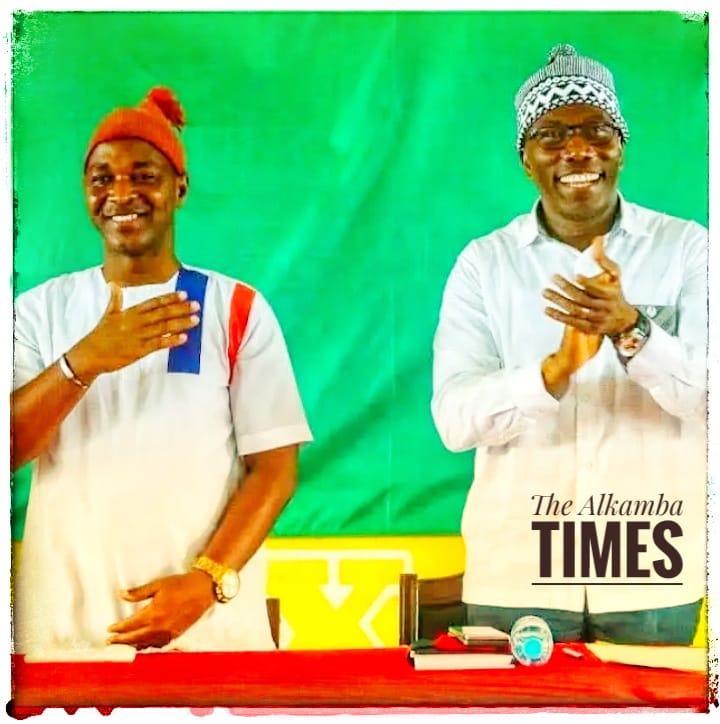
The releases, which occurred over the weekend, represent, observers say, a significant stride in the country’s institutional normalization process. Crowds of supporters, family members, and citizens gathered to welcome Pereira upon his arrival home, with scenes of jubilation underscoring public hopes for a return to democratic governance.
Senegalese Minister of the Armed Forces Birame Diop attended the event, highlighting Dakar’s active role in brokering the breakthrough after weeks of diplomatic pressure.
Pereira, detained since the November 26, 2025, coup that ousted President Umaro Sissoco Embaló, was transferred from prison to house arrest as part of the measures. His release followed mediation by Senegalese authorities and aligns with broader ECOWAS demands for the freeing of political prisoners.
In a parallel move, Fernando Dias da Costa—widely regarded as the projected winner of the disputed November 2025 presidential election—emerged from two months of refuge in the Nigerian Embassy. Da Costa had sought shelter there immediately after the coup, which many opposition voices claimed was staged to prevent the announcement of results that would have favored him over Embaló.
ECOWAS, in a communiqué issued late last week, welcomed the transitional authorities’ steps toward creating an “inclusive political environment” and advancing a return to constitutional order. The regional bloc endorsed key actions outlined in a January 29, 2026, letter from transitional leader Horta Inta-A to ECOWAS Chair Julius Maada Bio.
These include forming an inclusive transition government, allocating three ministerial portfolios each to the African Party for the Independence of Guinea and Cape Verde (PAIGC) and Da Costa’s political group.
Additionally, authorities are to appoint 10 representatives from the two main political blocs to a National Transition Council. ECOWAS further urged the release of all remaining political prisoners, full guarantees of fundamental rights, and the withdrawal of any prior request to expel the ECOWAS Stabilization Support Mission in Guinea-Bissau—indicating growing cooperation with regional oversight.
The developments come against the backdrop of Guinea-Bissau’s long history of political instability, marked by repeated coups since independence in 1974. The November 2025 takeover suspended institutions and detained opposition leaders after a contested election where both Embaló and Da Costa claimed victory.
While ECOWAS called for Pereira’s full and effective release beyond house arrest, the bloc reaffirmed its support for a peaceful, credible transition leading to democratic elections. Transitional authorities have previously set legislative and presidential polls for December 6, 2026.
Analysts view these releases and power-sharing arrangements as fragile but promising signs that sustained regional involvement—particularly from Senegal and ECOWAS—may help steer the coup-prone nation away from further conflict toward stability.