By: Kebba Ansu Manneh
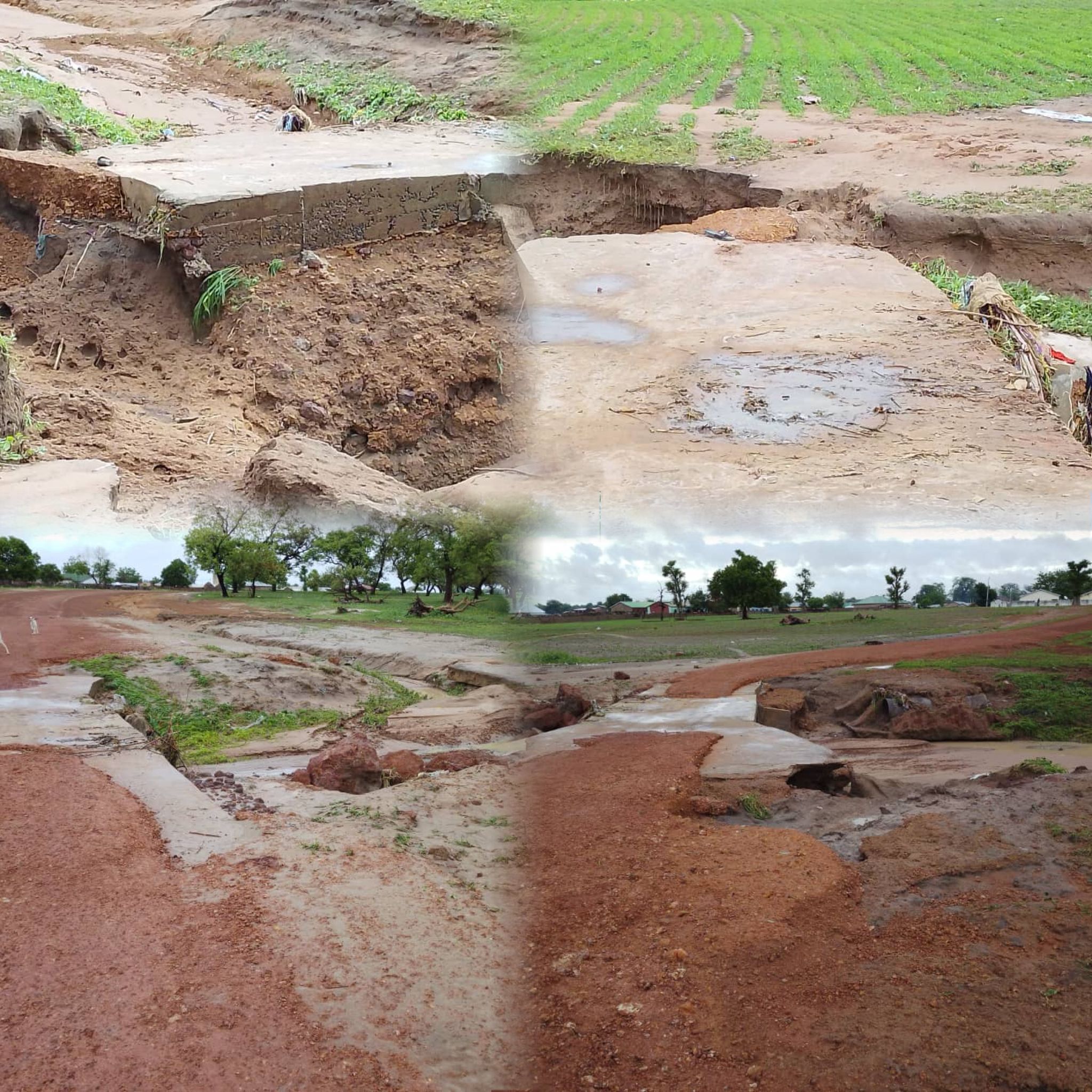
A severe downpour on July 15, 2025, triggered flash floods that wreaked havoc across three communities in Sami District—Pachonki, Medina, and Suruwaa Kunda—leaving families displaced, infrastructure damaged, and livelihoods in jeopardy. The deluge, which began around 5:30 p.m., destroyed foodstuffs, seeds, clothing, and critical infrastructure, including part of the Sami Medina Health Center and two culverts connecting the affected communities.
Karim Ceesay, Ward Councillor for Sami Pachonki, confirmed the scale of the disaster in an interview with The Alkamba Times. He reported that the floods impacted at least 14 families across the three communities, with six families in Suruwaa Kunda and nine in Medina bearing the brunt of the destruction. “The heavy downpour caused flash floods that swept away household materials, including food supplies and seeds critical for the upcoming planting season,” Ceesay said.
The collapse of two culverts linking Suruwaa Kunda to Pachonki and Medina has severed key transportation routes, rendering them impassable for donkey carts, ox carts, and vehicles. Additionally, part of the perimeter fence of the Sami Medina Health Center, a vital facility serving the community and beyond, was destroyed.
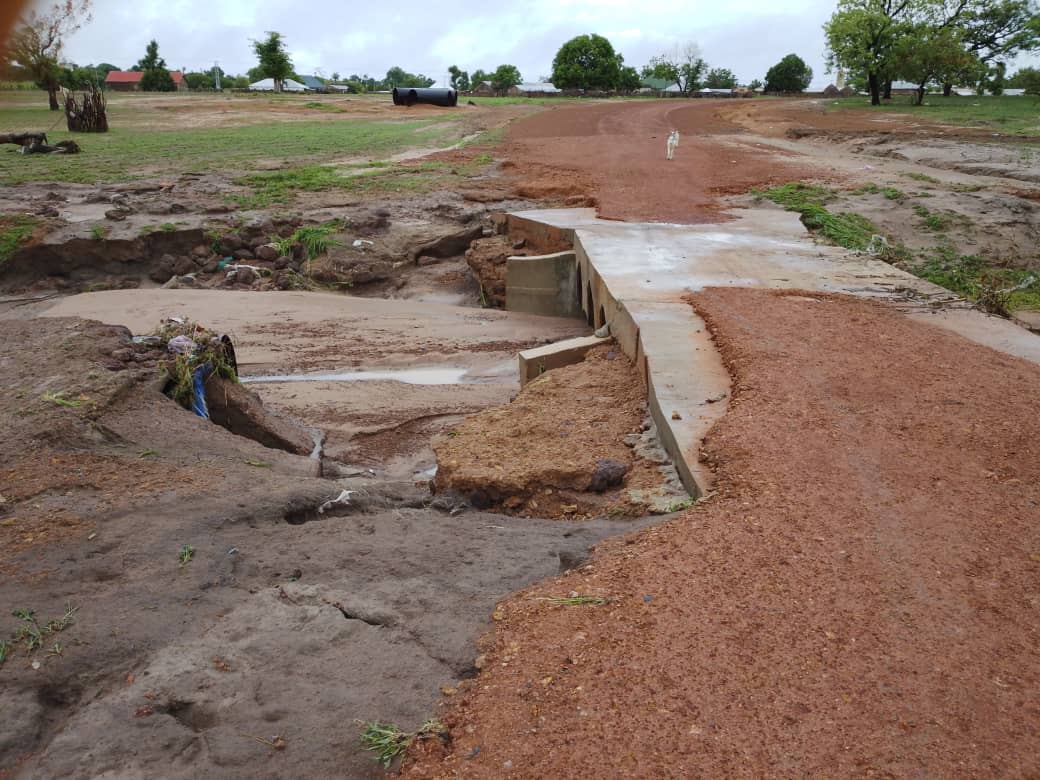
The flooding comes at the onset of The Gambia’s rainy season, which weather forecasts predict will bring above-normal rainfall this year. The destruction of the culverts and the health center’s fence has raised urgent concerns about access to healthcare and mobility in the region.
Ceesay has appealed to the Gambian government, non-governmental organizations, and philanthropists for immediate assistance to support the affected families, rehabilitate the damaged culverts, and repair the health center’s infrastructure. He noted that the situation has been reported to the Kuntaur Area Council, the National Assembly Member for the area, and the National Disaster Management Agency (NDMA).
Sanna Dahaba, Executive Director of the NDMA, confirmed the disaster and emphasized the agency’s swift response. “Our staff in the area are conducting a preliminary assessment, and I plan to visit the affected communities to gather firsthand information and strategize relief efforts,” Dahaba told The Alkamba Times. He described the floods as a sobering reminder of the need for vigilance during the rainy season. “This is just the beginning, and we are already seeing such heavy rain. As predicted, this year’s rains will be above normal, and this flash flood is a clear message to the population to stay alert to avoid further disasters,” he warned.
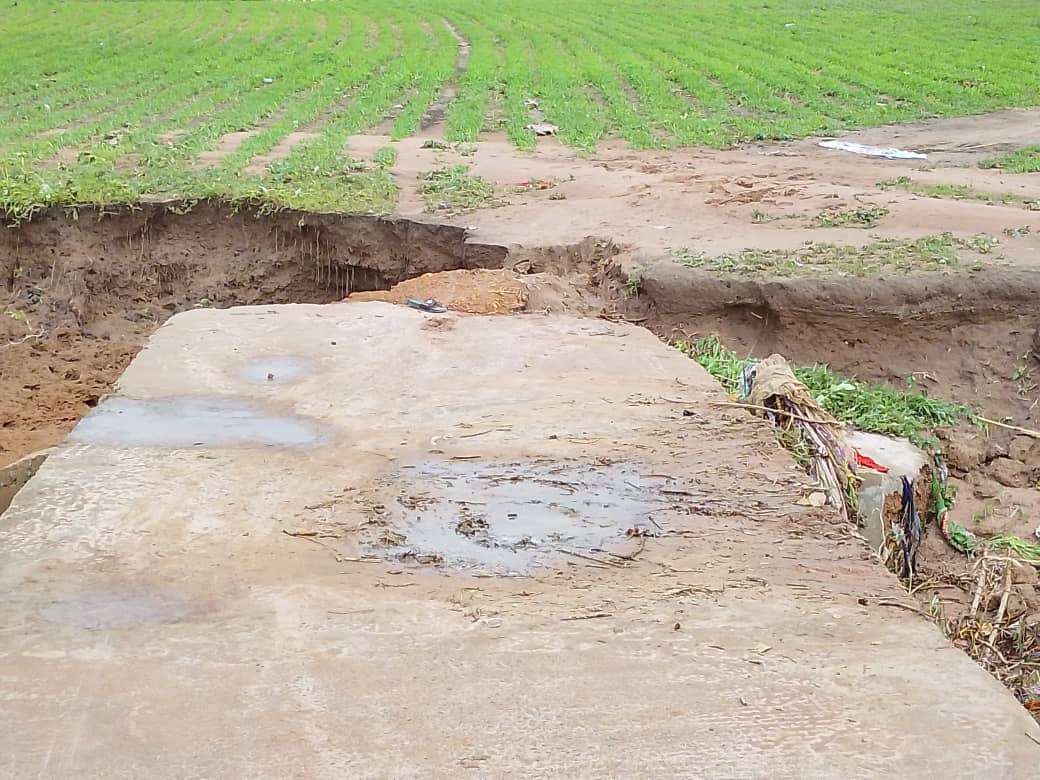
The affected communities face immediate challenges, including food insecurity due to the loss of stored foodstuffs and seeds, which could disrupt agricultural activities critical to their livelihoods. The destruction of the culverts has further isolated these communities, complicating access to markets and essential services. The partial collapse of the Sami Medina Health Center’s perimeter fence raises concerns about the facility’s ability to operate effectively, primarily as it serves a vast region.
Local authorities and the NDMA are now tasked with coordinating relief efforts and assessing the full extent of the damage. The government and aid organizations are expected to prioritize the rehabilitation of the culverts and the health center, alongside providing emergency supplies to the displaced families. Community leaders and residents are bracing for a challenging rainy season, with fears that more heavy rains could exacerbate the situation.
As the NDMA prepares to deploy resources and finalize its assessment, the people of Sami District are calling for solidarity and support to rebuild their lives. The floods serve as a stark reminder of the growing risks posed by extreme weather events, underscoring the need for proactive disaster preparedness and resilient infrastructure in vulnerable communities, such as Sami.