By Abdoulie John
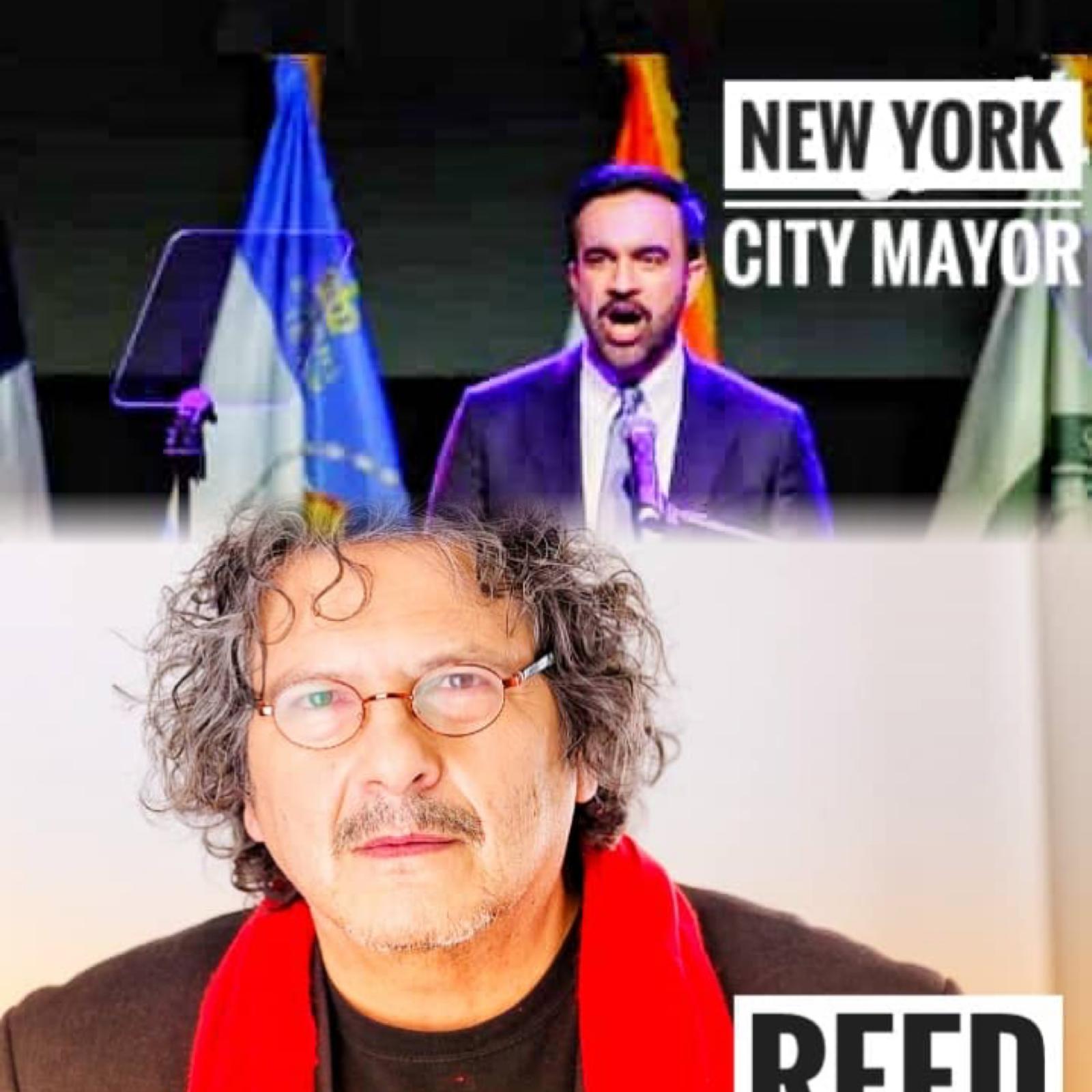
Democratic Socialist Zohran Mamdani has been elected New York City’s first Muslim mayor, defeating former Governor Andrew Cuomo in a race marked by billionaire funding, presidential interference, and a grassroots revolt against the status quo.
Mamdani’s victory, powered by promises of rent freezes, free public buses, and aggressive action on housing affordability, represents a stunning rebuke to establishment Democrats and a direct challenge to President Donald Trump’s influence. Even Trump’s last-ditch endorsement of Cuomo—complete with attacks on Mamdani’s progressive platform—failed to sway voters in the nation’s largest city.
Renowned human rights advocate Reed Brody, known for his work pursuing dictators and war criminals worldwide, weighed in on the implications of this historic win during an exclusive interview with Alkamba Times. Brody framed Mamdani’s triumph not just as a local upset, but as a national stand against democratic erosion under Trump.
“We have a president who is trampling on the Constitution, obliterating checks and balances, sending the National Guard into Democratic cities,” Brody said. He pointed to the administration’s deployment of ICE for neighborhood arrests, assaults on the free press, and the rule of law as tactics to divide Americans for political gain.
Brody lambasted institutional failures that have enabled this trend: a silent Congress, a conservative-dominated Supreme Court, mainstream media prioritizing corporate interests, universities protecting their funding, big law firms preserving deals, and tech giants remaining neutral. “President Trump is treating democracy itself as an obstacle to his power,” he warned.
Yet in New York, voters saw Mamdani’s campaign as their “first real chance to stand up to Donald Trump, to stand up for our democracy,” Brody reported from street-level conversations. The question now: Can Mamdani convert this “moral mandate” into concrete reforms on housing, inequality, and government trust?
Mamdani’s platform resonated with a city grappling with skyrocketing rents and transit woes. His pledges for rent stabilization and fare-free buses tapped into widespread frustration over affordability, propelling him past Cuomo, who was backed by millions from Wall Street titans and real estate moguls.
The backlash was swift. New York’s elite entered “panic mode,” with several billionaires threatening exodus if the city elected a Muslim democratic socialist. Brody dismissed these fears as shortsighted. “Some billionaires may leave, but New York has always thrived on diversity and renewal,” he argued. “In the long run, a fairer, healthier, more equal city will be better for everyone—including business.”
This win exposes deeper rifts within the Democratic Party. Voters, Brody noted, are exhausted with an establishment entangled with AIPAC, Big Pharma, and the military-industrial complex. Mamdani’s success—rooted in “real solutions for real people”—could serve as a blueprint for reclaiming Congress in the midterms.
However, Brody cautioned that Democrats must evolve into a “big tent” to build a national majority. The party needs to embrace figures like a Muslim democratic socialist in New York alongside a Great Plains farmer, a Midwest auto worker, and a Silicon Valley entrepreneur.
As Mamdani prepares to take office, his administration faces immediate tests: implementing rent controls without alienating investors, expanding free transit amid budget constraints, and navigating a city still polarized by national divisions. Trump’s interference in the race underscores the high stakes—Mamdani’s policies could inspire similar progressive surges nationwide or provoke federal pushback.
Brody’s perspective, drawn from decades of battling authoritarianism globally, underscores the broader context. “The real test now is whether Mamdani can turn that moral mandate into tangible change,” he said.
For a city that prides itself on reinvention, Mamdani’s election marks a bold new chapter. Whether it heralds a progressive renaissance or sparks elite flight remains to be seen, but one thing is clear: New York voters have issued a defiant message to power brokers everywhere.