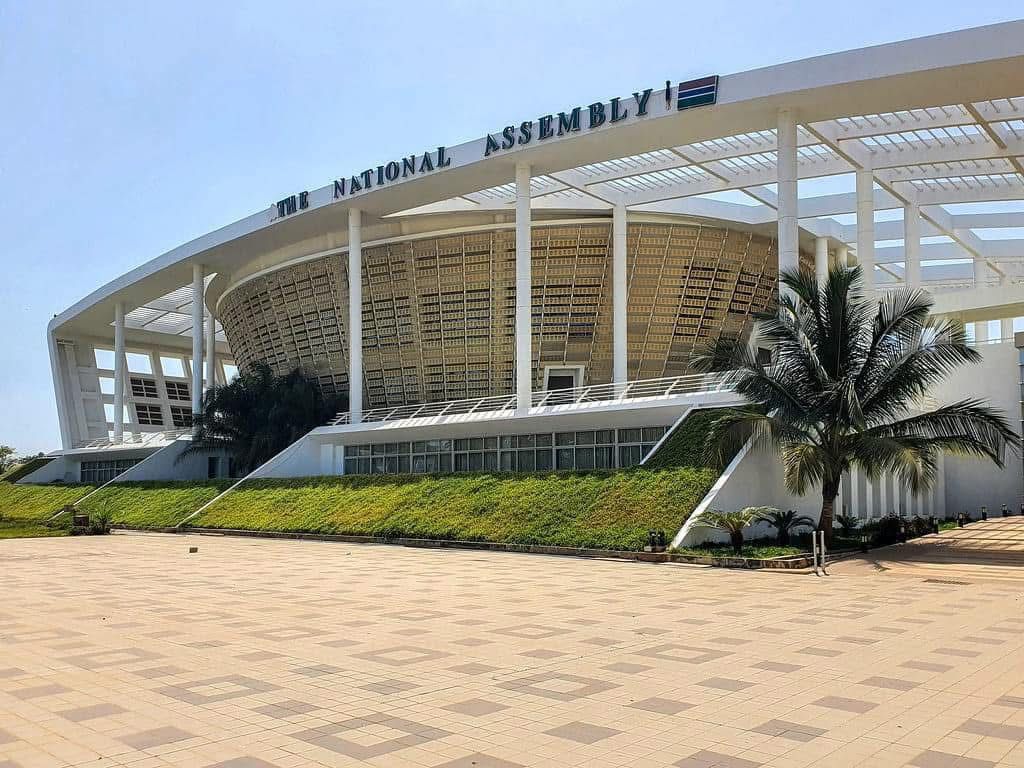
The Association for the Promotion of Intellectual Property – The Gambia (IPPA) has publicly appealed to the National Assembly and the Ministry of Justice to reverse a significant last-minute change to the Intellectual Property Bill that strips the proposed Gambia Intellectual Property Office (GIPO) of its intended semi-autonomous status.
In a strongly worded statement issued today, IPPA described the 2025 amendment to Section 3(1) as a serious setback to national efforts to modernize intellectual property administration and stimulate innovation, creativity, and economic growth.
The original 2023 Intellectual Property Bill, which received Cabinet approval and passed its first and second readings in the National Assembly, explicitly established GIPO as an independent body. The provision stated: “There is established an office to be known as The Gambia Intellectual Property Office.” The legislation was intended to create a comprehensive, forward-looking IP framework encompassing industrial property, copyright, geographical indications, plant breeders’ rights, traditional knowledge, genetic resources, and related areas.
Key innovations in the bill included the creation of a dedicated Intellectual Property Tribunal to expedite enforcement and make it more affordable, as well as strengthened remedies and procedures. The reforms were informed by study visits to Ghana and aligned with international best practices.
However, the critical clause was altered in 2025 to read: “There is established within the Ministry of Justice, The Gambia Intellectual Property Office.” This places GIPO directly under the Ministry of Justice, removing its administrative, financial, and operational independence.
IPPA warned that this change contradicts global evidence showing that semi-autonomous IP offices consistently outperform those embedded within government ministries. The association cited recent examples, including Malawi’s 2025 establishment of a semi-autonomous Companies, Registrations, and Intellectual Properties Centre; Liberia’s independent IP office; Botswana’s financially autonomous Companies and Intellectual Property Authority (CIPA); and Uganda’s performance-monitored semi-autonomous system. Leading international offices—such as the European Patent Office, Japan Patent Office, Korean Intellectual Property Office, China National Intellectual Property Administration, and United States Patent and Trademark Office—also operate with significant autonomy, enabling faster processing, technological upgrades, and stronger innovation ecosystems.
In contrast, The Gambia’s existing IP administration suffers from major deficiencies: no online registration platform, limited access to patent databases, lack of digital official gazette publications, and low public awareness—particularly among young people and creators. IPPA argued that continued subordination to the Ministry of Justice will perpetuate these weaknesses and hinder the country’s ability to benefit from a knowledge-based economy.
Drawing parallels with other independent Gambian institutions—the National Human Rights Commission, National Environment Agency, and Anti-Corruption Commission—IPPA insisted that an empowered, semi-autonomous GIPO is essential for national development.
“True progress is never achieved by clinging to outdated structures,” the statement said. “It is realized by empowering institutions to meet the demands of innovation, creativity, and economic growth. The restoration of autonomy to the Gambia Intellectual Property Office is not merely a policy choice but a strategic necessity.”
The association formally called on the Attorney General’s Chambers, the Ministry of Justice, and members of the National Assembly to restore the original semi-autonomous provision before the bill is finalized.