By Fatou Dahaba
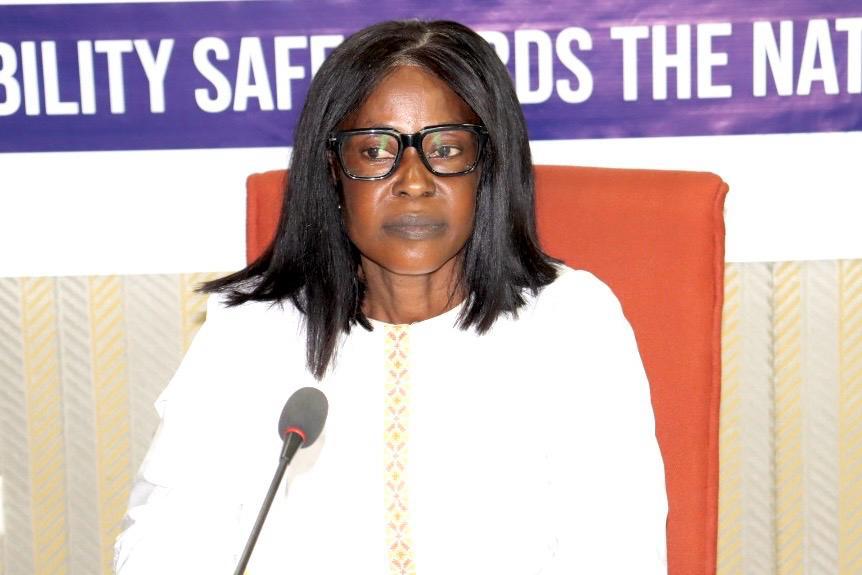
In a heated clash that exposed deep rifts within The Gambia’s transitional justice machinery, Ramatoulie Sarr, the former Secretary of the Janneh Commission, unleashed a barrage of accusations against her former deputies during a National Assembly special select committee hearing. Sarr claimed Kebba Bojang and Fatou Drammeh conspired to sideline her, acting as loyalists to Lead Counsel Amie Bensouda while undermining her authority in the controversial sale of assets seized from ex-dictator Yahya Jammeh.
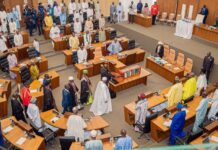
The dramatic testimony unfolded before the Special Select Committee, which is probing the disposal of Janneh-identified assets, including tractors and vehicles auctioned off in 2018. Sarr, returning for her latest appearance, vehemently denied attending any meetings with commissioners on the sales, as alleged by her subordinates. “I was not part of those meetings, nor was I informed of them,” she insisted, echoing her prior statements.
Instead, she painted a picture of betrayal: Bojang and Drammeh, she said, reported directly to Bensouda’s office, bypassing her as their immediate superior.
The conflict centers on Phase Two of the tractor auctions in October 2018, shortly after Sarr assumed her role on July 9. Under her oversight, two teams – one led by Bojang – sold 102 tractors for a mere 13 million dalasis, a figure far below the 10 million dalasis fetched by her predecessor for just 43 units.
Sarr attributed the shortfall to “scrap” quality but alleged her deputies manipulated reports to conceal mismanagement. Upon their return from a five-day sales exercise, she claimed that Bojang and Drammeh submitted the documents directly to Bensouda, stonewalling her requests. “They kept manipulating me whenever I asked for the report,” Sarr told the committee, her voice rising with frustration.
Correspondence intended for the secretariat was routinely diverted, she added, with Bensouda often copied in – a pattern that eroded her control. “There was too much interference from the lead counsel,” Sarr declared. “She was running the show in the administration of the commission, and I lost my lead of authority.”
Sarr described the setup as abnormal, noting that she operated without a formal appointment letter or terms of reference, her role being deemed an “internal arrangement” by then-Justice Minister Baa Tambadou.
Bojang and Drammeh’s accounts starkly contrast. In recent testimonies, Drammeh positioned Sarr as the “key decision-maker,” claiming all reports were prepared under her explicit instructions.
Bojang admitted that verbal orders came solely from Sarr, but lamented the absence of written records, which fueled committee concerns over transparency.
Both acknowledged a post-Kurang meeting with commissioners but denied personal involvement, insisting Sarr interfaced alone before issuing directives. Sarr fired back: those “instructions” originated from Bensouda, not her, underscoring the deputies’ “close relationship” with the counsel.
The feud traces back to internal power struggles after predecessor Alagie Kurang’s ouster. Sarr accused Bojang of coveting her position, refusing support, and challenging her authority. “Kebba will not change for anything, and I will never heed to my authority,” she said, correcting her slip to emphasize his intransigence. As Secretary, she lamented a lack of deputy backing, especially from Bojang, amid the commission’s high-stakes mandate to recover Jammeh-era loot.
Pressed on whether she raised alarms about the interference, Sarr admitted querying issues but facing dismissal. “Isatou always told me to concentrate on my work,” she revealed, referring to an unnamed superior – a nod to the chilling effect of hierarchical pressure.
The Janneh Commission, established in 2017 to probe Jammeh’s 22-year rule, has long been mired in controversy. Its 2018 report recommended asset recoveries worth billions, but implementation faltered amid allegations of political meddling and financial discrepancies, which officials later described as “strange.”
Committee Chair Abodulie Ceesay expressed dismay at the “puppet-like” dynamics, questioning the commission’s independence from the Ministry of Justice.