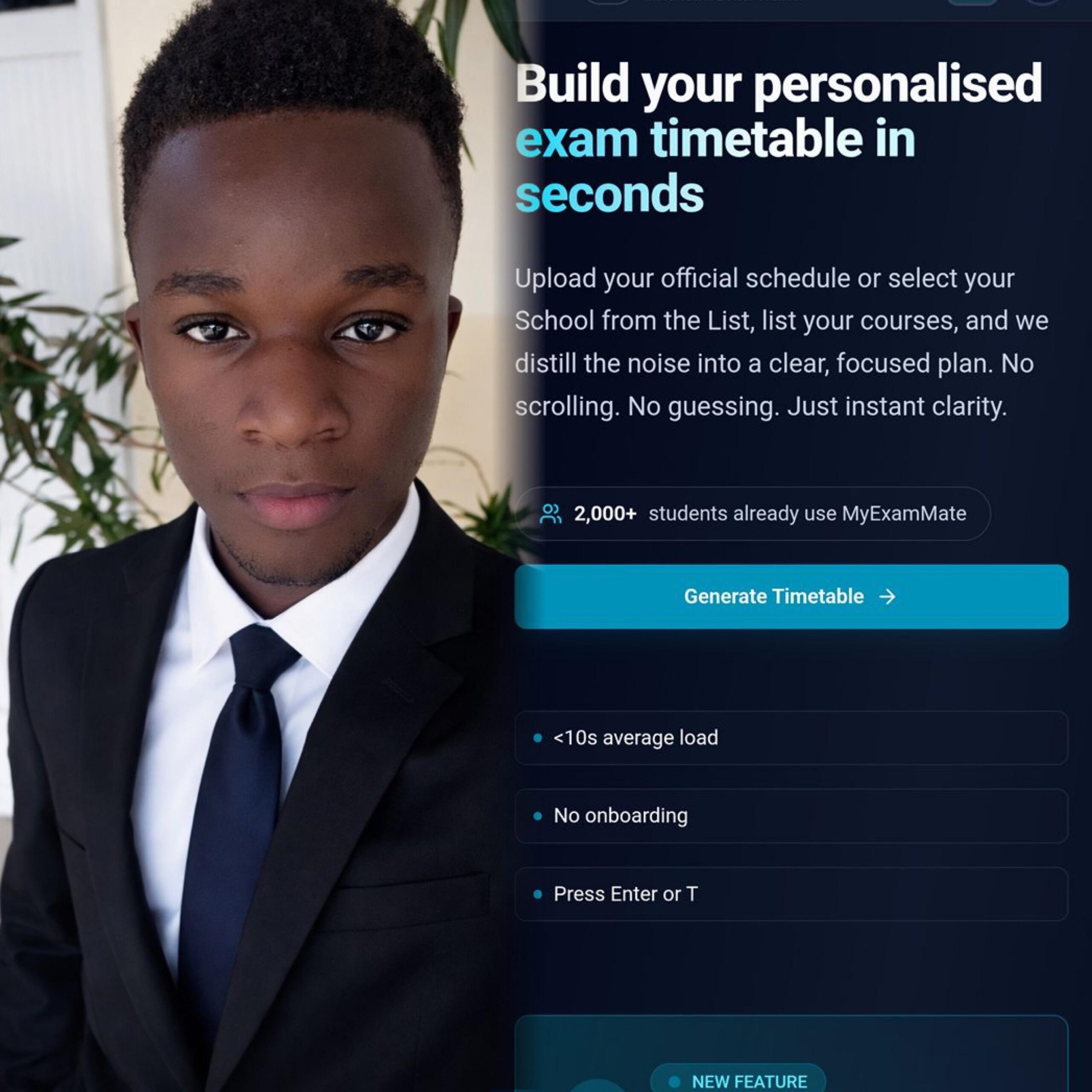
By: Ebrima Mbaye ( not the Ebrima Mbaye featured in this story )
A single missed examination due to an outdated timetable has inspired Ebrima Mbye, a final-year Computer Science student at the University of The Gambia (UTG), to create MyExamMate. This free digital platform delivers personalized, automatically updated exam schedules and reminders to prevent similar setbacks for fellow students.
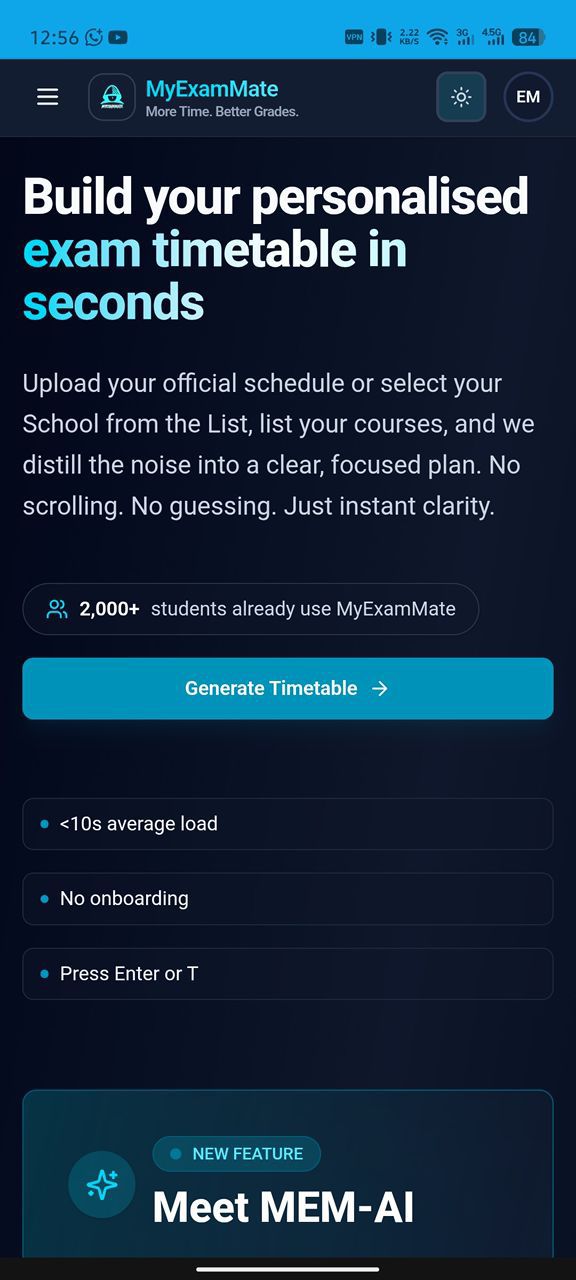
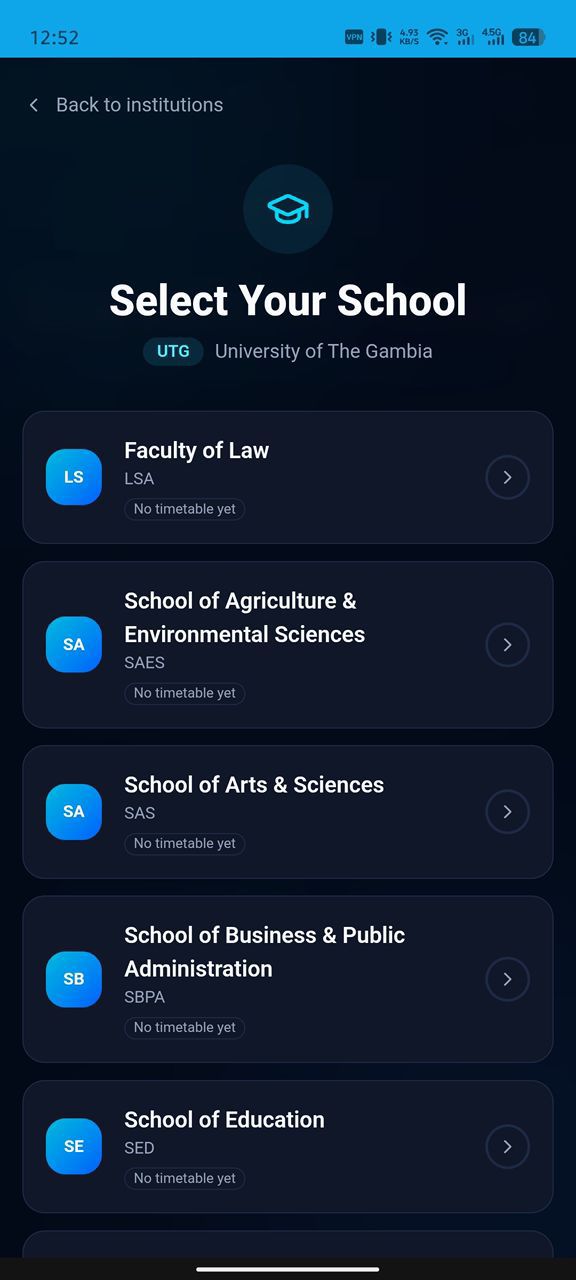
The story highlights how a personal academic setback became a catalyst for practical tech-driven change on campus. Mbye’s app parses official timetables, generates custom views for each student’s courses, pushes real-time updates for any changes, and sends targeted notifications—addressing a common frustration at UTG and similar institutions where schedule shifts often lead to confusion.
From frustration to free solution: After receiving a D grade on his transcript for the missed paper (despite being fully prepared), Mbye refused to let the incident define him. He transformed the experience into an innovative tool now helping thousands avoid the same fate.
“MyExamMate is an example of how you can turn a frustration into a solution that puts smiles on the faces of thousands,” he said.
For Mbye, the journey started with a simple but costly mistake. Relying on an outdated timetable, he stayed home preparing for an exam he believed was days away. A phone call from a friend shattered the illusion: the test had already taken place.
“I was sitting at home studying when suddenly my phone rang,” Mbye recalled. “It was my friend asking why I did not attend the exam that I thought was scheduled for two days later.”
The error stemmed not from carelessness or lack of preparation, but from poor communication of schedule changes—a recurring issue at many universities, including UTG, where timetable adjustments due to strikes, holidays, or administrative decisions have left students scrambling in recent years.
“I missed this exam not because I was not prepared, not because I was careless, but because I was using the wrong timetable that had later changed,” he explained. The result was a permanent D on his record. “I still have that D grade in my transcript. Whenever I look at it, I feel bad, because that could have easily been an A+.”
Rather than dwell on regret, Mbye saw a broader “systems problem”: academic information scattered across notices, emails, and outdated postings, forcing students to constantly verify details manually.
Before coding a solution, he had already taken small steps to help peers. Each semester, when timetables shifted, Mbye reorganized the dense, crowded documents into clearer, personalized versions for classmates. “Every time the timetable changed, I had to repeat the process,” he said. “If one student is manually restructuring exam schedules every semester, the problem is bigger than convenience.”
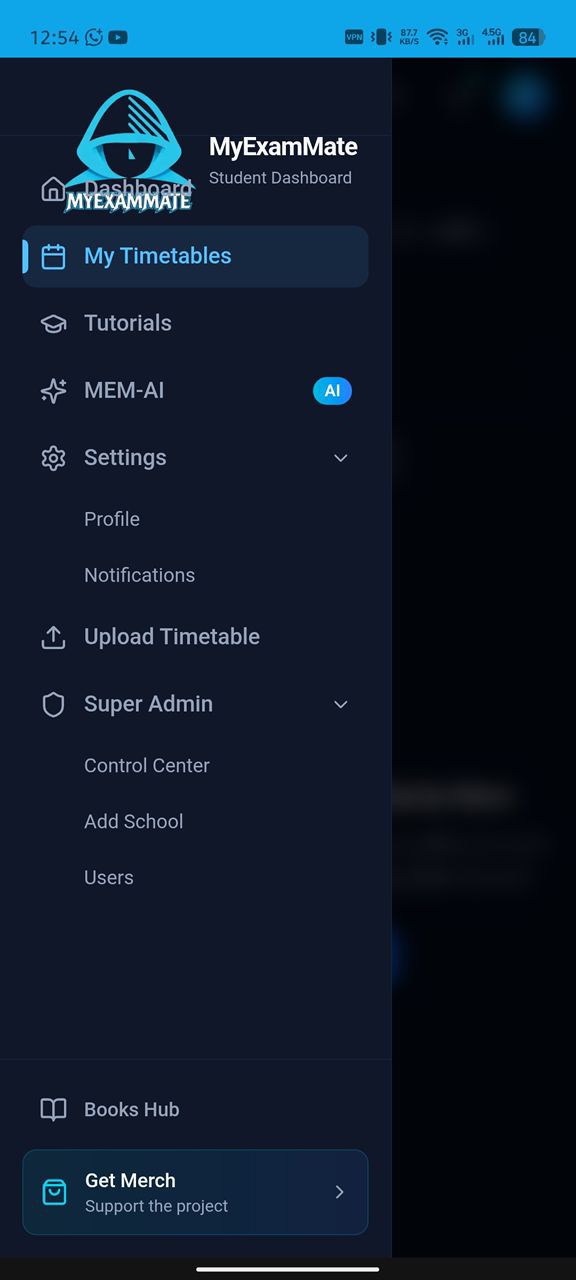
This hands-on experience inspired MyExamMate. The platform automatically parses official UTG timetables, creates individualized schedules based on a student’s courses, pushes real-time updates when changes occur, and sends customized reminders to prevent oversights. Designed with simplicity in mind, it aims to eliminate the guesswork that plagues exam periods.
Building the app presented steep hurdles, especially with no funding. “The most challenging part was how to make it scale for thousands of users with zero budget,” Mbye said. Server costs, data processing, and reliability demands pushed him toward monetization ideas, but he refused to charge students. “Every action just pushed me toward charging for the app, but I was determined to make it free.”
Development stalled for nearly a month as he wrestled with scalability. Eventually, creative technical workarounds emerged. “What this taught me was that when Plan A is the only option, sometimes miracles happen to make it succeed,” he reflected.
Mbye’s passion for technology runs deep. He chose Computer Science for its versatility—“It can be applied in any field that I can think of”—and the rapid pace of innovation. “The rapid growth of technology made me realize this is a good place to invest my youth,” he said.
He finds particular inspiration in the idea that one person, armed with a laptop, can create a massive impact. “It was always fascinating to me that one man, with a laptop, sitting in his room, could change the world,” Mbye noted. While acknowledging technology’s dual nature—used for both good and ill—he gravitates toward positive applications, especially artificial intelligence and robotics.
He envisions AI-powered robots assisting in surgeries where doctors are scarce, a vision tied to real-world needs in regions like The Gambia. Currently boasting a strong 3.86 CGPA, Mbye plans to pursue graduate studies in AI, focusing on practical solutions to everyday challenges.
MyExamMate stands as proof of concept. “MyExamMate is an example of how you can turn a frustration into a solution that puts smiles on the faces of thousands,” he said.
Beyond the app, Mbye harbors ambitions for systemic change. “I would love to meet and later be the Education Minister of The Gambia,” he declared, eager to contribute to national education reform.
That once-painful D grade has been reframed. No longer just a mark of setback, it marks the origin of an innovation dedicated to ensuring no other UTG student suffers the same avoidable fate. In turning personal disappointment into collective benefit, Ebrima Mbye demonstrates how technology, when driven by empathy and determination, can rewrite academic stories—one timely reminder at a time.