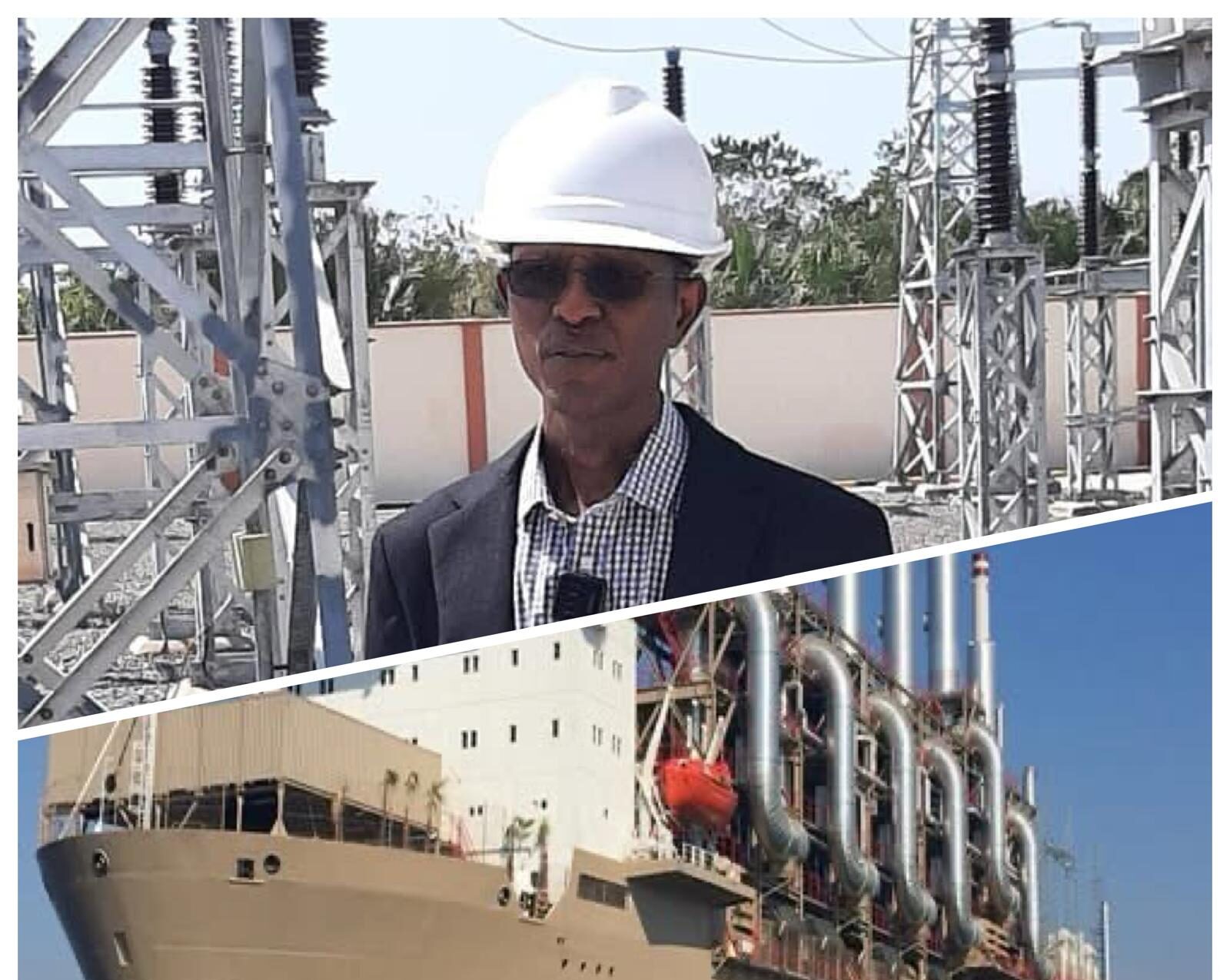
The National Water and Electricity Company (NAWEC) has officially acknowledged a severe electricity shortfall gripping the nation, triggering widespread and prolonged load shedding that is disrupting daily life, businesses, and essential services across The Gambia.
At a press conference held on Tuesday, NAWEC officials painted a stark picture of the country’s energy situation. Operations and Planning Manager Sanna Gomez revealed that the utility’s current generation capacity stands at just 78 megawatts — comprising 52 MW imported primarily from Senegal and only 24 MW produced locally — against a peak national demand of 106 MW. This significant deficit has made scheduled power outages unavoidable to prevent a complete collapse of the national grid, even for customers who pay their bills on time.
Managing Director Gallo Saidy attributed the crisis to a toxic mix of external shocks and domestic challenges. He pointed to disruptions in global fuel supply chains caused by the ongoing conflict involving Iran, which has complicated the importation of fuel and essential spare parts for power plants. These international pressures have compounded long-standing technical issues within NAWEC’s aging infrastructure, including sidelined generators such as two engines in Brikama and one in Kotu, with others currently undergoing repairs.
Saidy emphasized that the controlled load shedding is a deliberate strategy to manage limited resources and maintain system stability amid rising electricity demand. He warned that such measures could persist for an extended period, as any further disruptions in generation or fuel supply would necessitate similar interventions to avoid a total blackout.
“NAWEC is currently faced with a capacity deficit,” Gomez stated bluntly. He highlighted persistent difficulties in fuel logistics and delivery to power stations, exacerbated by the global fallout from the Iran-related conflict. “Unfortunately, the capacity is not there,” he added, issuing a direct appeal to the public: “We are in a crisis. We need to support each other… This is the current status of NAWEC as power generation is concerned.”
Critical facilities, including hospitals and NAWEC’s borehole systems, have been exempted from the power cuts. Officials stressed that this prioritization is essential to safeguard healthcare services and ensure continued access to clean water for communities, rather than any form of favoritism.
Deputy Managing Director Sompo Ceesay reaffirmed NAWEC’s long-term commitment to delivering 24-hour electricity supply to all Gambians. He noted that the company has secured board approval to reactivate the G6 and G8 generating units as part of immediate efforts to stabilize and gradually improve power availability.
Director of Operations Pateh Sowe appealed for public confidence in the utility, explaining that load shedding has become necessary due to constrained generation capacity and challenges with fuel offloading. Adviser to the Managing Director, Edrisa Cham, called for patience and stronger collaboration on energy conservation, particularly during peak demand hours between 7 p.m. and 10 p.m., urging households to limit the use of non-essential appliances.
The announcement has amplified growing frustration among ordinary Gambians, who have endured frequent, prolonged blackouts in the Greater Banjul Area and beyond. Residents report significant hardships, including spoiled food in homes and businesses, interrupted work, and broader economic strain at a time when many are already facing cost-of-living pressures.
Energy observers note that The Gambia’s power woes are structural — rooted in outdated infrastructure, heavy reliance on imported fossil fuels, and insufficient investment in renewable energy sources. While recent global events have intensified the emergency, the underlying vulnerabilities have persisted for years. NAWEC continues to depend on power imports under its agreement with Senegal, but these have fallen short of bridging the gap.
Officials have not provided a definitive timeline for full resolution, describing load shedding as a temporary risk-management tool to keep the grid operational. As temperatures climb and demand potentially surges further, authorities pledged to issue regular updates on the load-shedding schedule.
In the interim, NAWEC management is urging citizens to embrace shared responsibility by switching off non-essential appliances and conserving energy wherever possible. The message from Banjul is clear: navigating this national crisis will require collective effort and solidarity from all Gambians until generation capacity can be meaningfully restored.