By Ebrima Mbaye
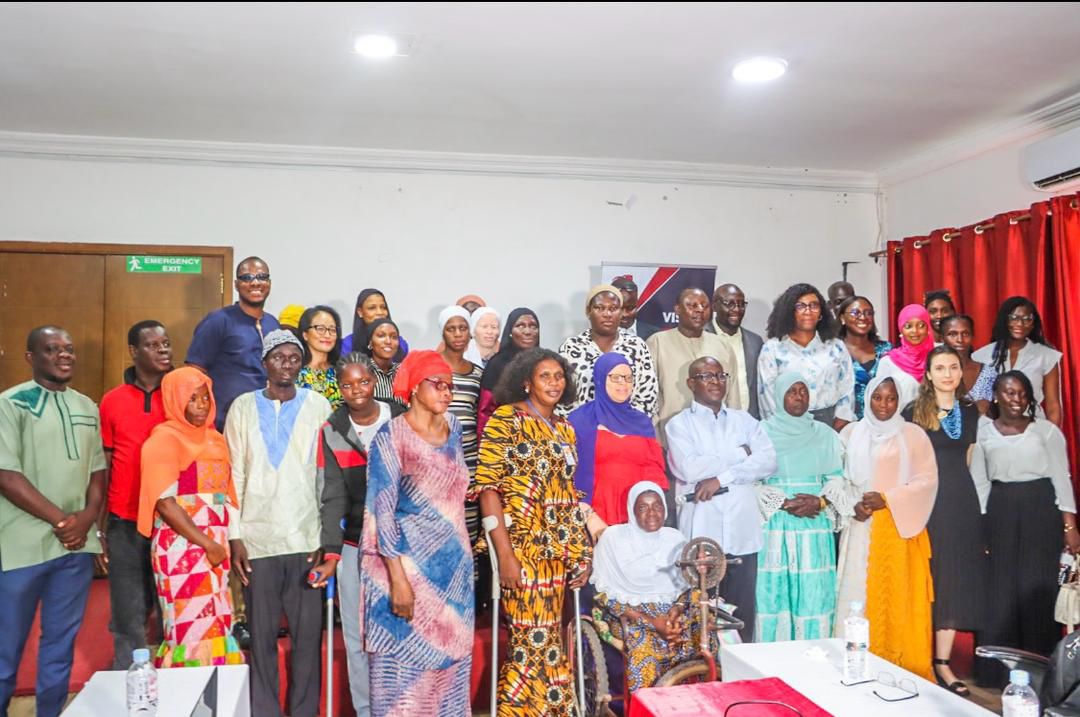
The Network Against Gender-Based Violence (NGBV), in partnership with the United Nations Population Fund (UNFPA), held a pivotal national consultative meeting today at the Metzy Hotel in Kololi to address the systemic barriers faced by persons with disabilities in accessing gender-based violence (GBV) services in The Gambia. The forum brought together disability rights advocates, legal experts, government officials, and GBV survivors to discuss challenges and propose inclusive solutions.
The event provided a platform for persons with disabilities to share their lived experiences, highlighting gaps in access to justice, healthcare, and support services. Stakeholders aimed to develop actionable strategies to ensure GBV services are accessible and equitable for all, particularly for those with disabilities, who face heightened vulnerabilities.
Alexia Lachavanne, UNFPA’s lead for the initiative, underscored the importance of centering the voices of those directly affected. “There is no one better than persons with disabilities to be here with us today to talk about the barriers they face in accessing these services and to help us come up with creative solutions,” she said. Lachavanne emphasized that inclusive policies must be informed by the communities they serve, ensuring solutions are both practical and impactful.
Fallou Sowe, National Coordinator of the NGBV, described the meeting as a critical step toward inclusive justice. “Gender-based violence affects each and every one of us,” Sowe stated, noting that persons with disabilities are disproportionately vulnerable. “If we are 20% vulnerable to violence and abuse, then persons with disabilities would be 75% vulnerable.” He pointed to systemic issues such as limited access to information, inaccessible healthcare facilities, and discriminatory attitudes among service providers as key barriers. “Access to information and education is limited… and information is key in ensuring people protect themselves and access services,” he added.
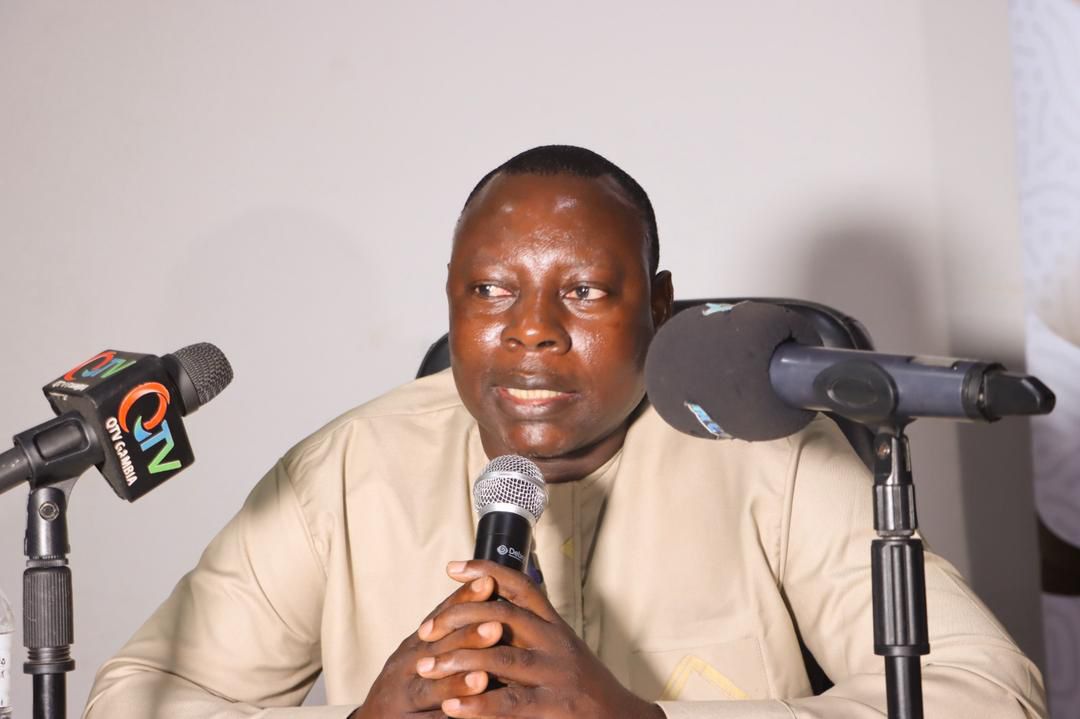
Sowe called for urgent action to ensure inclusivity, reminding attendees, “Disability can come at any point in life, so these conversations are not just about others; they are also about ourselves.”
Principal Magistrate Muhammed Krubally, Chairman of the Gambia Federation of the Disabled, grounded the discussion in legal frameworks, citing Article 3 and Article 9 of the UN Convention on the Rights of Persons with Disabilities (CRPD) and the Persons with Disabilities Act, 2021. These laws enshrine the rights to accessibility and participation for persons with disabilities. Krubally highlighted the daily challenges faced by this group, including physical, emotional, psychological, financial, and sexual violence. “Some don’t even know where to report, when to report, how to report, and who to report to,” he said, commending NGBV and UNFPA for fostering dialogue and urging participants to contribute actively to the discussion.
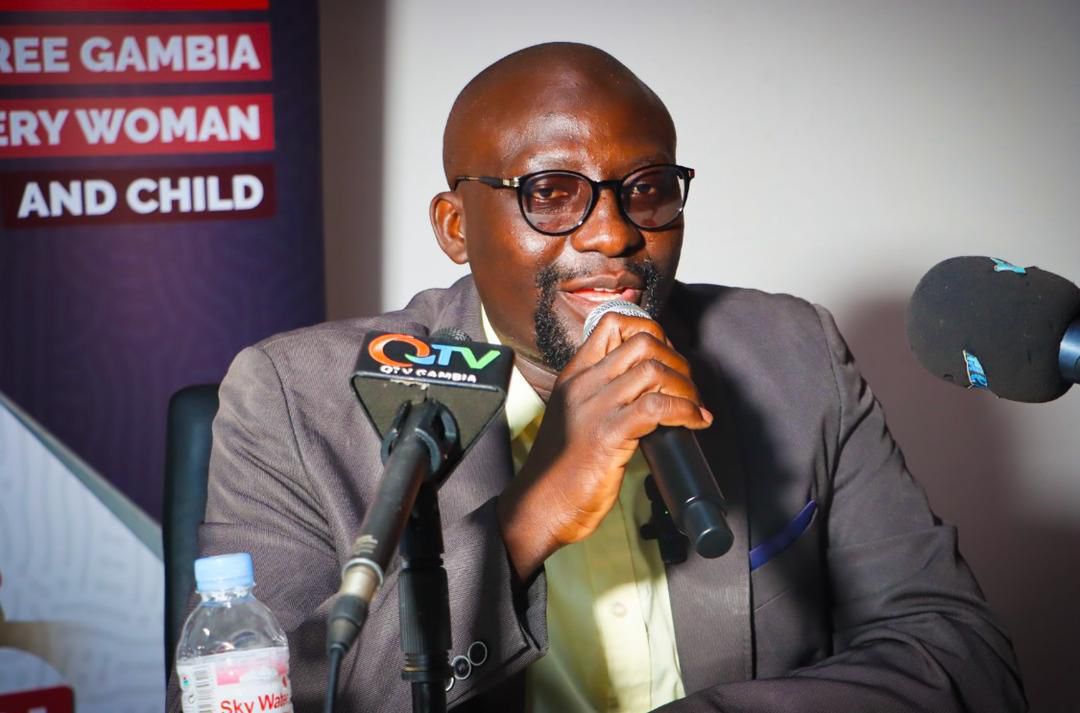
Awa Boye, representing the Association of Gambian Albinos, shed light on societal and familial factors that exacerbate marginalization. She noted that families often prioritize education for children without disabilities, sidelining those with conditions like low vision. “If you have two children, one with disability and the other without, most parents prefer sending the one without disability to school,” Boye said. She called for greater community sensitization, acknowledging the efforts of the Gambia Federation of the Disabled but stressing that “we still have a long way to go when it comes to awareness raising.”
The forum is expected to yield policy recommendations and programmatic strategies to bridge the accessibility gap for GBV survivors with disabilities. By fostering collaboration among stakeholders, NGBV and UNFPA aim to create a more inclusive framework for addressing GBV in The Gambia, ensuring no one is left behind. The outcomes of this consultation will guide future interventions, with a focus on dismantling systemic barriers and empowering persons with disabilities to access the services and justice they deserve.